



Mysore Sada Dosa Delight
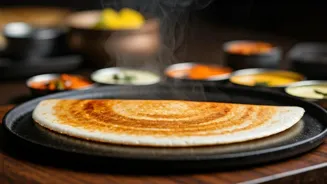
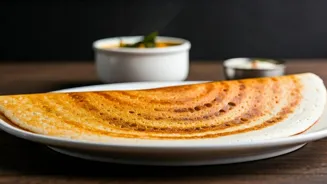
The Mysore Sada Dosa, a beloved street food staple, offers a delightful experience. It is known for its crispy texture and savory taste. The recipe typically
involves a fermented batter made from rice and urad dal. After fermentation, the batter is spread thinly on a hot griddle and cooked until golden brown and crisp. The dosa is then served with flavorful chutneys and sambar, providing a perfect combination of textures and tastes. The simplicity of ingredients and the ease of preparation contribute to its widespread popularity. Variations may include adding a layer of flavorful chutney or potato masala for added taste. This versatile dish remains a favorite across India.
Barley Dosa: Healthy Twist
For a healthier alternative, the barley dosa is an excellent option. Barley flour is incorporated into the dosa batter, making it rich in fiber and nutrients. The recipe generally follows the same procedure as a regular dosa, but with the added nutritional benefits of barley. The barley-based dosa offers a unique texture and flavor profile. It can be prepared using a combination of barley flour, urad dal, and other essential ingredients. The barley dosa is a great choice for those seeking a health-conscious breakfast option that doesn't compromise on taste. This variation caters to health-conscious individuals looking for nutritious yet delicious choices.
Brown Rice Dosa Benefits
The brown rice dosa is lauded for its nutritional advantages, making it a popular choice. Brown rice, unlike white rice, retains its bran layer, offering more fiber, vitamins, and minerals. When made into a dosa, brown rice provides a substantial dose of these essential nutrients. The recipe involves soaking and grinding brown rice to create the batter. This is then fermented to aid in the easy breakdown of starches, enhancing digestibility. The dosa cooked from brown rice is rich in fiber, aids digestion, and helps in maintaining stable blood sugar levels. It provides a satisfying meal, making it a fulfilling and nutritious choice. This choice aligns with health-focused eating habits.
Cooking Brown Rice Right
Cooking brown rice correctly ensures the best taste and texture for your dosa. There are various methods for cooking it, including using a pressure cooker, open flame, or absorption methods. Pressure cooking reduces the cooking time, maintaining moisture. Open flame cooking in a deep non-stick pan allows for even heat distribution. When cooking, the appropriate water-to-rice ratio is crucial. The cooking time might vary depending on the method and the type of brown rice. Proper cooking results in fluffy, tender rice, perfect for making delicious dosas. Correct cooking is crucial for enhancing its flavour and texture, ensuring an enjoyable meal.
Versatile Dosa Accompaniments
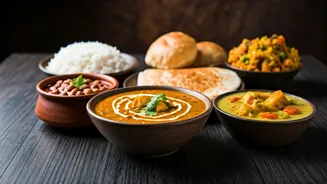
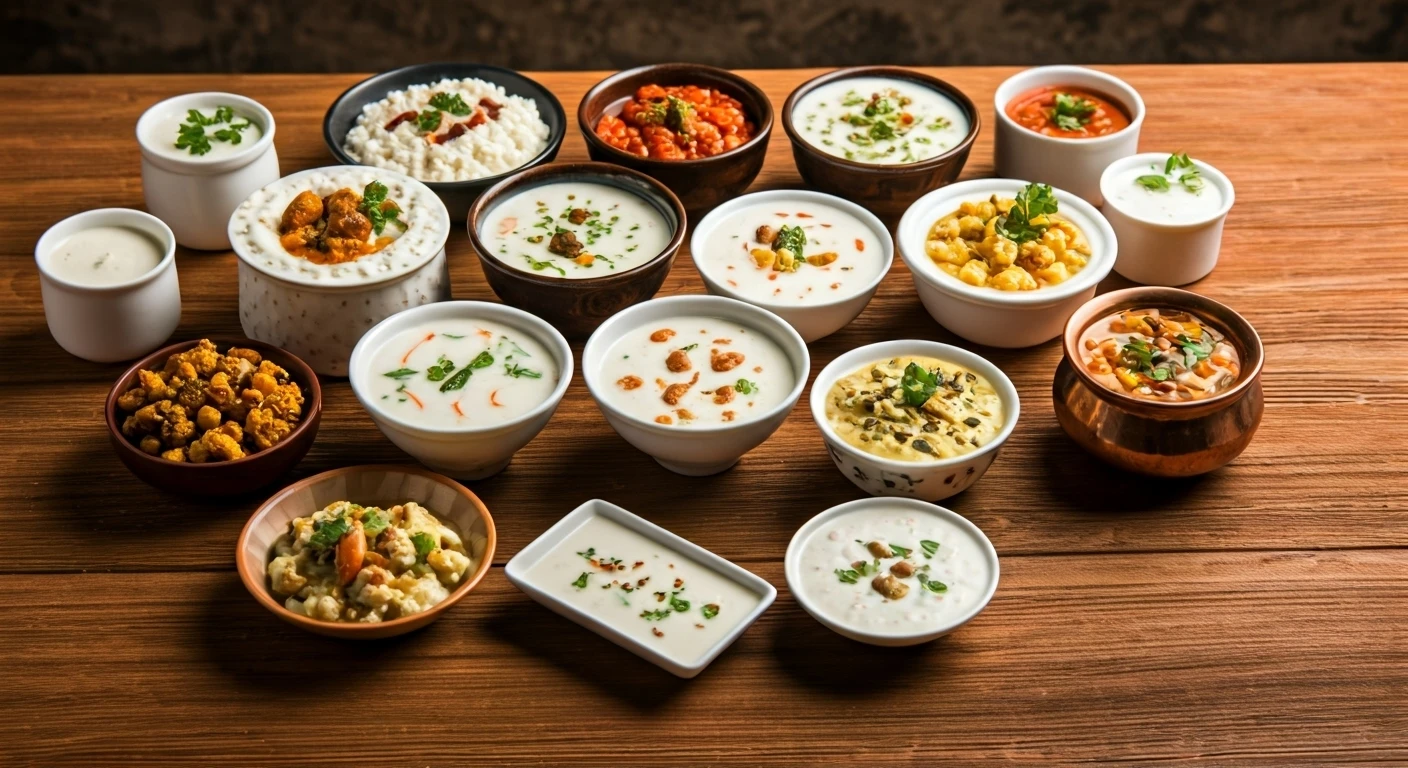
The perfect dosa is elevated by its accompaniments. Sambar, a lentil-based vegetable stew, is a classic pairing, offering a blend of flavors. Various chutneys, such as coconut chutney and tomato chutney, provide a range of tastes. The chutneys bring their distinct flavors, complementing the dosa's subtle taste. The addition of a potato masala can transform the dosa into a masala dosa, adding another layer of flavour and texture. These combinations offer an exciting meal experience. Experimenting with different accompaniments enables personalization of the dosa experience, according to individual taste preferences.