




The Humble Potato's Rise
It's remarkable to think that the ubiquitous potato, a cornerstone of so many Indian dishes from North to South, wasn't originally grown here. This starchy
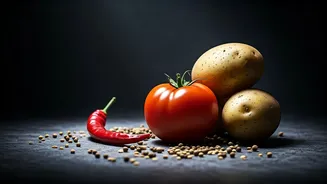
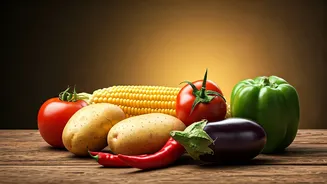
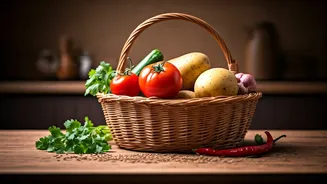
marvel traces its ancestry back to the high altitudes of the Peruvian-Bolivian Andes in South America. European traders first encountered it in the latter half of the 16th century and subsequently introduced it to India. The potato's integration into Indian culinary traditions is a testament to its adaptability; it has woven itself so deeply into regional recipes, from comforting aloo parathas to zesty masala dosas, that it's now virtually inseparable from everyday meals. Its journey from a foreign import to an intrinsic part of Indian identity is truly extraordinary, showcasing an unparalleled ability to blend with local tastes and cooking methods.
Tomatoes: A Fiery Foundation
The vibrant splash of red in Indian curries, chutneys, and zesty street food often comes from tomatoes, yet this acidic fruit is a relatively recent addition to the subcontinent's palate. Originating in the diverse landscapes of South America, tomatoes made their way to Europe in the early 16th century. Initially met with some apprehension in Europe, treated more as an ornamental plant than a food source, their inherent versatility and bright flavor eventually helped them travel the globe. It was through the same maritime trade routes, pioneered by Portuguese explorers, that tomatoes eventually arrived in India, finding a welcoming home in its varied cuisine where they now form the base of countless beloved dishes.
Chilies: The Spice of Life
The unmistakable heat that defines so much of Indian cooking owes its presence to chilies, which are far from being indigenous to the region. These potent pods hail from the Americas and were introduced to Indian kitchens during the 16th century's Columbian Exchange, primarily via Portuguese traders. Before their arrival, Indian chefs relied on spices like black pepper, long pepper, ginger, and mustard for their fiery kick. The transition wasn't immediate; chilies coexisted with older spices for some time before their affordability, ease of cultivation, and widespread availability led to their dominance. They flourished in India's diverse climates, and cooks quickly learned to incorporate them into curries, pickles, and tempering, ultimately revolutionizing the country's flavor profile and becoming a defining characteristic of its food.
Cashews: A Nutty Evolution
Though often perceived as a classic Indian snack, the cashew tree itself is a native of northeastern Brazil. Its introduction to India occurred in the late 16th century, brought by Portuguese missionaries and traders. Initially planted along India's coastal areas, the primary goal was to combat soil erosion. However, this practical agricultural endeavor evolved into a significant culinary and economic integration. Cashew trees thrived particularly well in regions like Goa, Kerala, and coastal Karnataka, becoming embedded in local economies and seasonal traditions. Over generations, the cashew nut shed its foreign identity, becoming fully embraced and indispensable in Indian sweets, rich gravies, and everyday snacking, a testament to its successful adaptation to Indian conditions.
Pineapple's Tropical Entry
The sweet and tangy pineapple, a beloved tropical delight, arrived in India at a time when many of the subcontinent's traditional food practices were already well-established. This fruit, native to South America, embarked on its journey across oceans via the extensive Portuguese trade networks during the 16th century, reaching Indian shores around the mid-1500s. Its preference for warm, humid climates meant it adapted remarkably well, especially in the coastal stretches and northeastern parts of the country. Gradually, it became a common sight and taste, finding its way onto street-side fruit stalls, into festive desserts, and even incorporated into regional savory dishes, showcasing its versatile appeal.
Papaya: A Mexican Transplant
The papaya, a fruit that now appears so naturally in Indian markets and kitchens, actually originates from the diverse landscapes of Mexico and Central America. Historical records and encyclopedic accounts indicate that Portuguese traders were instrumental in introducing New World fruits, including the papaya, to India during the 16th century. Much like several other ingredients on this list, the papaya arrived as a newcomer but was eventually adopted and made its own by Indian culinary traditions. Its ability to thrive in the local climate and its mild sweetness made it a welcome addition, seamlessly integrating into the existing food culture and becoming a familiar sight across the nation.