
Khan's Transformation Unveiled
Aamir Khan's recent shedding of 18 kilograms has become a talking point, particularly due to the actor's dedication to a specific dietary regimen. While
the exact details remain private, the diet emphasizes an anti-inflammatory approach. This method usually focuses on foods that help reduce inflammation within the body, which can contribute to overall health and weight management. By understanding the basics, one can start to explore if this diet strategy can be integrated into their personal health journey. The popularity of the actor's transformation has opened up an opportunity for a deeper understanding of the anti-inflammatory diet and its potential benefits.
Core Diet Principles
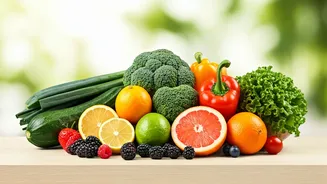
The essence of Aamir Khan's diet likely revolves around minimizing foods that can trigger inflammation. These often include processed items, refined sugars, and excessive amounts of unhealthy fats. In contrast, the diet probably incorporates whole foods known for their anti-inflammatory properties. This approach prioritizes nutrient-dense foods such as fruits, vegetables, lean proteins, and healthy fats like those found in avocados and nuts. The emphasis on unprocessed foods is central to reducing inflammation and promoting overall well-being. This dietary strategy aims to reduce inflammation, which can affect weight, energy levels, and general health. The core is adopting a lifestyle that reduces inflammation within the body.
Benefits and Considerations
The anti-inflammatory diet offers several advantages. Reducing inflammation can help in weight management, as chronic inflammation may affect metabolism and hormones that control weight. Moreover, this dietary approach typically leads to improved energy levels and overall health. However, like any diet plan, it is important to consider individual needs and health conditions. It's advisable to consult with a healthcare professional before making significant dietary changes. This ensures that the diet aligns with specific health requirements and goals. Moreover, professional guidance can also help in creating a balanced and sustainable eating plan.
Making It Work
Adapting the anti-inflammatory diet requires a thoughtful approach. Beginning with small changes, like gradually eliminating processed foods or adding more fruits and vegetables, can make the transition easier. Planning meals and snacks in advance helps stay on track. Focusing on nutrient-rich foods, staying hydrated, and avoiding excessive sugar and unhealthy fats is crucial for the diet's success. It is also important to listen to your body and adjust the diet as needed, always seeking advice from healthcare providers. Maintaining a well-balanced diet and lifestyle is key to maximizing its benefits, making the process both effective and sustainable.