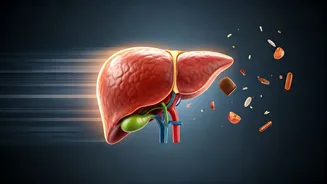







The Liver's Daily Rhythm
Our liver, a powerhouse organ responsible for detoxification, metabolism, and nutrient processing, operates on a precise biological clock. This internal
rhythm dictates its functions, including regulating blood glucose, metabolizing fats, storing energy, and clearing toxins, all in a cyclical day-and-night pattern. The timing of our meals significantly influences how effectively the liver performs these crucial tasks. During daylight hours, the liver is optimally equipped to process glucose and fats. However, when we consume food late at night, it must process nutrients when the body's metabolism naturally slows down. This asynchronous activity can result in an increased deposition of fats within liver cells, potentially leading to conditions like metabolic dysfunction-associated steatotic liver disease (MASLD), previously known as fatty liver disease. This disruption not only impacts fat processing but also stresses the liver's overall efficiency.
Erratic Eating's Toll
The modern lifestyle often normalizes practices like skipping breakfast, grabbing snacks between meetings, having lunch at odd hours, and consuming dinner late into the evening. While these habits may seem minor, they significantly stress the liver, the first organ to feel the impact. Inconsistent meal patterns create sharp fluctuations in blood glucose levels, compelling the liver to work harder to maintain equilibrium. This constant strain can contribute to insulin resistance, a precursor to fatty liver, obesity, and inflammation. Furthermore, individuals who eat erratically often compensate by overeating later or opting for calorie-dense, ready-to-eat foods, placing an additional burden on the liver. The act of eating too quickly also plays a role; it can lead to consuming more calories than necessary before satiety signals are fully registered, further exacerbating metabolic stress on the liver.
Consequences of Fast Eating
Beyond just the timing of meals, the speed at which we eat has a profound effect on our liver's well-being. The 'quick bite' culture, characterized by hurried consumption, bypasses the body's natural satiety signals. This means we tend to ingest more calories than required before feeling full, a habit directly linked to an increased likelihood of developing fatty liver. For busy professionals, this constant metabolic stress from eating rapidly adds to the liver's workload. Moreover, when meals are skipped throughout the day due to demanding schedules, individuals often resort to binge eating in the evening. As metabolism naturally decelerates in the evening, this late-night overconsumption leads to increased fat accumulation within the liver, significantly impacting its health and function over time.
Safeguarding Your Liver
To maintain optimal liver health, establishing consistency in eating patterns is paramount. Consuming meals at approximately the same times each day helps regulate metabolism more effectively. Prioritizing nutritious breakfasts, having an appropriately sized lunch, and keeping dinners light can significantly reduce the burden on the liver. It's not just about *what* you eat, but crucially, *when* you eat it. Adopting regular meal times, avoiding hurried consumption, and preventing late-night overeating are key strategies to protect liver function. Complementing these dietary habits with regular physical activity is also vital for managing weight and further mitigating the risk of conditions like NAFLD. For personalized advice and management strategies, consulting a healthcare professional is recommended.