





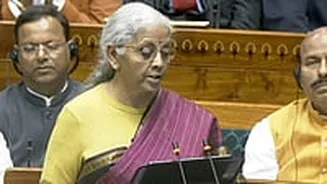


Growth and Priorities
The Union Budget 2026-27 places a strong emphasis on economic expansion and job creation, setting the stage for India to maintain a 7-8% growth rate. The Finance
Minister has prioritized strategies aimed at fortifying the economy. This includes focused investments in crucial areas such as infrastructure development. The budget also highlights a vision for Cities as Development Hubs, alongside exploring a potential trade agreement with the EU. Key focuses include fiscal targets, and managing the nation's debt path following the 16th Finance Commission's recommendations. The budget is poised to stimulate the manufacturing sector and provide continued policy support.
Industry Reactions: Logistics
The logistics industry is among the key sectors directly impacted by the budget. Infrastructure development received a boost, which is expected to increase demand for commercial vehicles. The budget proposals are expected to facilitate efficiency in supply chains. These policies, are likely to result in improved connectivity and streamlining the movement of goods, directly influencing the logistics industry's outlook and operations. The sector's performance often reflects the overall economic health and is a barometer for trade and commerce. This sector should also consider the impact of duty-free limit being raised to Rs 75,000 for relevant businesses.
Manufacturing and Investment
A primary focus of Budget 2026-27 centers on boosting the manufacturing sector. It includes policies geared toward stimulating investment, with an eye on long-term sustainability. Measures designed to simplify tax structures and streamline processes are expected to foster a more favorable environment for businesses. The budget aims to bolster the textile industry, and the government has increased focus on the development of rare earth corridors and projects such as 'Turtle Trails' in Kerala, with the intention of enhancing overall industrial output and competitiveness. This emphasis also extends to the data center sector, with tax incentives and the promotion of a 'GCC Safe Harbor' strategy designed to attract investment in digital infrastructure.
Sectoral Impacts: Mixed Responses
Various sectors have reacted differently to the budget. The cement industry is expected to benefit from the infrastructure push. The dairy and cooperative sectors are optimistic, welcoming supportive measures. However, some segments expressed concerns; for instance, CREDAI (Confederation of Real Estate Developers' Associations of India) voiced reservations regarding affordable housing initiatives. Stockbrokers experienced a downturn due to the hike in Securities Transaction Tax (STT). Reactions also vary based on geographic location, with state chambers such as those in Sikkim and Andhra Pradesh offering positive feedback, while some, like the housing sector, have expressed their discontent.
Taxation and Financials
The Budget 2026-27 involves significant tax-related changes, with a primary objective to reduce litigation and enhance the efficiency of the tax system. One notable aspect is the absence of tax deductions on dividends and interest from mutual funds. The budget's proposals included a tax overhaul, which aimed at simplifying tax regulations and improving compliance. It also covered proposals related to home loan interest deductions. The increase in the Pan Masala cess is projected to yield ₹14,000 crore in FY27. Financial markets reacted to the budget with fluctuations; stock markets rebounded following a decline on budget day, and the rupee showed strength against the US dollar.
Social and Environmental
The budget reflects a commitment to social welfare and environmental protection. There's an increase in the pollution control budget, signaling a focus on sustainability and environmental stewardship. The allocation for child rights protection underscores the government’s dedication to children's welfare. Additionally, funding is provided for schemes related to forensic sciences, indicating a focus on strengthening law enforcement and security infrastructure. The initiatives such as 'Mission Mausam' are allocated funding. The budget also addresses minority affairs, with significant fund allocation to address the community's needs.
Broader Economic Outlook
Multiple economic analyses have been conducted to assess the budget's broader impact. Fitch Ratings has provided commentary on macroeconomic stability and growth prospects. The budget's emphasis on fiscal targets and debt management is critical in maintaining economic stability. Several leaders also noted the need to sustain a 7-8% growth rate. International relations were noted by the USISPF as important for investment, and the India-US ties are considered vital for global peace. Furthermore, the UK industry has expressed a positive outlook on the Indian budget, indicating the international business community's interest in India's economic growth.