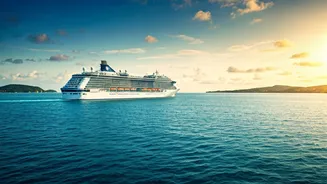








Understanding Repositioning Cruises
Repositioning cruises, or one-way sailings that shift ships between seasonal cruising grounds, are often overlooked gems for budget-conscious travelers.
These voyages are designed to move vessels from one operational area to another, typically during spring and autumn when the weather dictates the best routes. For instance, a ship might relocate from the icy waters of Alaska during the summer to the warmer climes of the Caribbean for winter. This necessitates journeys across oceans, such as transatlantic crossings between North America and Europe, or transpacific routes linking Asia with Alaska. These trips are fundamentally different from standard round-trip itineraries, often featuring more time spent at sea and a curated selection of less-frequented ports, providing a distinct travel experience.
Distinct from Standard Sailings
Unlike the typical three-to-seven-night cruises, repositioning voyages extend for weeks, naturally incorporating a significantly larger number of sea days. To enrich these extended periods, cruise lines frequently enhance onboard activities with engaging lectures, special guest speakers, and diverse fitness programs. The atmosphere aboard is generally more serene, attracting fewer families and fostering a relaxed ambiance. Destinations on these routes can be particularly intriguing, often venturing to lesser-known islands like the Azores or Madeira during transatlantic crossings. Similarly, transpacific routes might lead to exotic locales such as Easter Island, offering a chance to explore unique cultures and landscapes that standard itineraries rarely reach.
Decoding the Costs
While repositioning cruises are often perceived as more economical, their actual cost is contingent on the specific route and booking availability. For example, spring sailings from the Caribbean to Europe typically see high capacity, translating into a broader array of attractively priced fares. The cost-effectiveness is particularly evident when considering the per-day expense, and with fewer port stops, passengers benefit from reduced taxes and port fees. However, highly sought-after itineraries, like those through the Panama Canal, tend to command higher prices due to demand. It's also crucial to account for additional expenses, such as potentially pricier one-way airfare to reach the departure port or return home, and the possibility of needing pre or post-cruise accommodation.
Ideal Traveler Profile
These extended voyages are exceptionally well-suited for individuals who relish extended periods onboard and can embrace a slower pace of travel, often spanning 15 to 21 days or more. Consequently, retirees, empty nesters, remote workers, and seasoned cruisers often find these journeys to be an ideal fit. They offer a unique way to travel across continents, akin to a leisurely business-class flight, allowing for immersive exploration without the rush. However, the extended duration necessitates significant time away from home, and the increased exposure to open ocean conditions means they may not be suitable for those prone to seasickness. Families with school-aged children and first-time cruisers might also find the slower pace and quieter environment less engaging compared to shorter, more action-packed sailings.