






The 'Cute' to 'Uncle' Transition
Ashish Chanchlani's candid observation about how chubbiness is perceived differently post-30 has resonated widely. What might be labelled 'cute' or 'teddy
bear-like' in one's twenties can, with the passage into the thirties, acquire a less flattering connotation, often being described as 'uncle-like' or 'out of shape'. This shift isn't merely superficial; it reflects a deeper societal expectation for individuals to appear more 'settled' and 'disciplined' as they age. The psychological impact of this change in perception can be significant, potentially leading to increased self-consciousness about one's appearance, a heightened risk of body image issues, and even social withdrawal. Even seemingly playful remarks, when repeated, can contribute to stress, anxiety, and a constant, often detrimental, process of comparison with others, sometimes breaking one's heart as they first encounter such labels.
Societal Shifts and Self-Esteem
As individuals mature into their thirties, societal expectations regarding appearance undergo a noticeable transformation. The playful 'cute' labels of youth often give way to more critical judgments, with terms like 'fat uncle' or 'out of shape' becoming casually, yet impactful, descriptors. Dr. Abhinav Kumar, a Psychiatry consultant, confirms that this change is deeply rooted in societal pressures to project an image of maturity and self-control with advancing age. This linguistic shift doesn't just alter how others see us; it can profoundly influence our own self-perception. Many find themselves becoming acutely aware of their physical appearance, which can foster body image anxieties, feelings of embarrassment, and a tendency to avoid social situations. The cumulative effect of these remarks, even those intended lightly, can trigger significant stress and anxiety, fueling an incessant need to compare oneself to others and potentially undermining personal and professional confidence by creating pressure to meet unrealistic appearance standards.
Biological Realities of Aging
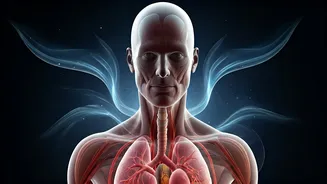
Beyond the psychological and societal factors, there's a tangible biological dimension to why weight management can become more challenging after the age of thirty. Dr. Chirag Tandon, Director of Internal Medicine, explains that this decade often brings about gradual yet noticeable physiological changes. A primary concern is the decrease in metabolic rate, which can lead to weight accumulation even if dietary habits and activity levels remain consistent. Concurrently, muscle mass may begin to decline, and the body’s capacity for recovery after physical exertion might diminish. Consequently, weight gain in one's thirties isn't necessarily a reflection of a lack of discipline or a conscious decision to 'let go'; it can be an intrinsic shift in the body's fundamental functioning. When compounded by demanding work schedules, elevated stress levels, and irregular daily routines, these biological changes can manifest more visibly in terms of physique.
Health Risks and Lifestyle
The thirties often mark a turning point where the body begins to signal a greater susceptibility to certain health conditions. Dr. Tandon highlights that this period frequently sees an increased risk of developing issues such as high blood pressure, diabetes, and elevated cholesterol levels. These risks can be significantly exacerbated by a lifestyle characterized by prolonged sedentary periods and a tendency to skip regular health check-ups. The interplay between age-related biological changes, lifestyle choices like insufficient physical activity, and the growing potential for chronic ailments underscores the importance of proactive health management. Therefore, approaching individuals in their thirties who are managing their weight with empathy and understanding is crucial, recognizing that the journey is influenced by a complex interplay of biological, societal, and lifestyle factors, and that judgmental language can have profound negative consequences.