




Celestial Spectacles Await
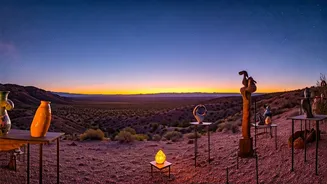
When the sun dips below the horizon, Death Valley transforms into a stargazer's paradise. Recognized as a gold-tier International Dark Sky Park, its profound
darkness allows for unparalleled views of the cosmos. In spring, particularly from early March onwards, the core of the Milky Way becomes visible from the Northern Hemisphere, offering a dazzling spectacle. Imagine gazing upon galaxies, nebulae, and meteor showers with stunning clarity. Prime locations like the Mesquite Flat Sand Dunes, Badwater Basin, and Zabriskie Point provide exceptional vantage points to witness this celestial dance. The sheer absence of light pollution allows you to truly connect with the vastness of the universe, making it an ideal time for astronomical observation and photography, far from the city's glow.
Vibrant Wildflower Blooms
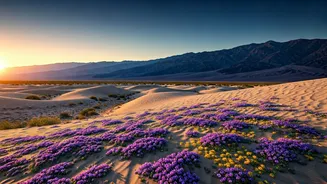
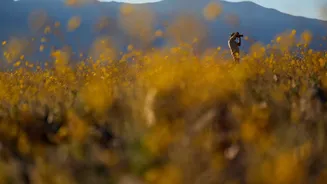
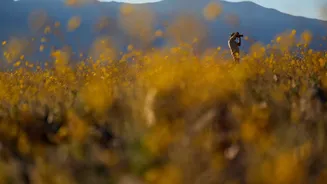
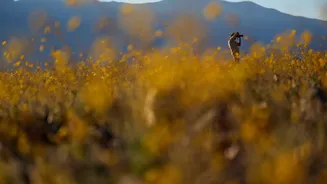
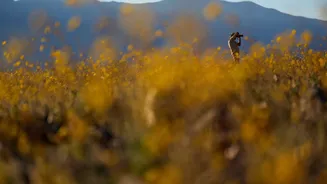
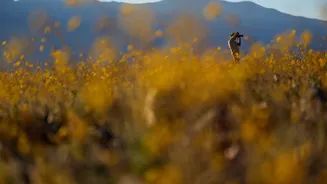
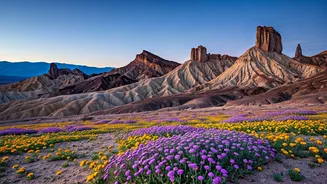
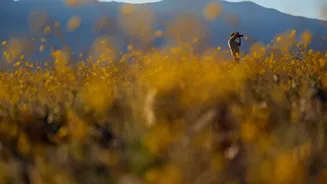
Spring in Death Valley holds the potential for one of nature's most spectacular displays: a superbloom. When winter precipitation is sufficient, the desert floor erupts in a carpet of vibrant wildflowers, typically reaching their peak in late March or early April. This phenomenon turns the arid landscape into a breathtaking tapestry of colors. It's advisable to check park updates for the most accurate bloom forecasts, as these conditions can vary year to year. Experiencing this ephemeral beauty firsthand offers a profound appreciation for the resilience and splendor of desert flora, creating a truly memorable visual feast against the rugged backdrop of the park.
Invigorating Spring Hikes
The moderate temperatures of spring in Death Valley make it the perfect season for exploration on foot. The Mesquite Flat Sand Dunes offer a unique hiking experience, akin to a natural sandbox where you can forge your own path. As you traverse the sandy terrain, you'll notice the surrounding trees adding touches of green and yellow foliage, enhancing the visual appeal. For a more artistic encounter, take a stroll through Artists Palette, a series of hills showcasing a natural spectrum of colors derived from volcanic minerals, accessible via a short walk from the Artists Drive loop. For a more challenging adventure, the six-mile Titus Canyon to Fall Canyon Narrows hike leads you through a less-traveled route, culminating in a slot canyon with towering striated walls, often providing opportunities to spot wildlife like bighorn sheep.
Exploring Badwater Basin
A visit to Death Valley would be incomplete without venturing onto the expansive salt flats of Badwater Basin, the lowest elevation point in North America. This immense geological feature, once a large ancient lake, now stretches across nearly 200 square miles, composed of various mineral salts like calcite, gypsum, and borax. The surreal, cracked surface creates a unique visual landscape. For the most captivating perspectives, walk about two miles out onto the flats. During sunrise and sunset, the white salt reflects the warm hues of the sky, bathing the basin in a golden or orange glow, creating an ethereal and unforgettable scene.
Backcountry Adventures
For those seeking solitude and a deeper connection with the wilderness, Death Valley's backcountry offers an incredible opportunity. With nearly 1,000 miles of unpaved roads, you can escape the crowds and discover dramatic canyons and expansive desert vistas. To embark on these journeys, it's crucial to be well-prepared with essential supplies for self-sufficiency and ensure you have a suitable vehicle, as many rental companies prohibit off-road use. Alternatively, you can book a guided backcountry driving tour, which provides access to specialized vehicles and experienced guides trained in navigating the rugged terrain, allowing for a safe and immersive exploration of the park's remote beauty.
Spring Accommodation Options
Death Valley provides a surprisingly diverse range of lodging options to suit various preferences. Within the park's Furnace Creek area, the historic Inn at Death Valley offers a luxurious retreat with a spring-fed pool and elegant casitas, while the nearby Ranch at Death Valley provides a more relaxed, family-friendly atmosphere adjacent to an 18-hole golf course. For those drawn to the allure of the sand dunes, the Stovepipe Wells Village offers a comfortable stay with a swimming pool and on-site dining. Camping enthusiasts have several choices, including Furnace Creek Campground, which operates from mid-October to mid-April and doesn't require reservations outside these dates, and Sunset Campground, the park's largest, often accommodating visitors even during the busy spring season.