



Understanding Your Plate
Embarking on a journey to manage Type 2 Diabetes requires a foundational understanding of how nutrition directly influences blood sugar levels. The cornerstone
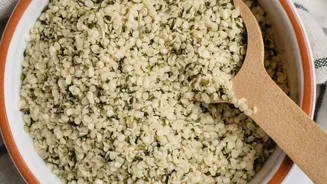
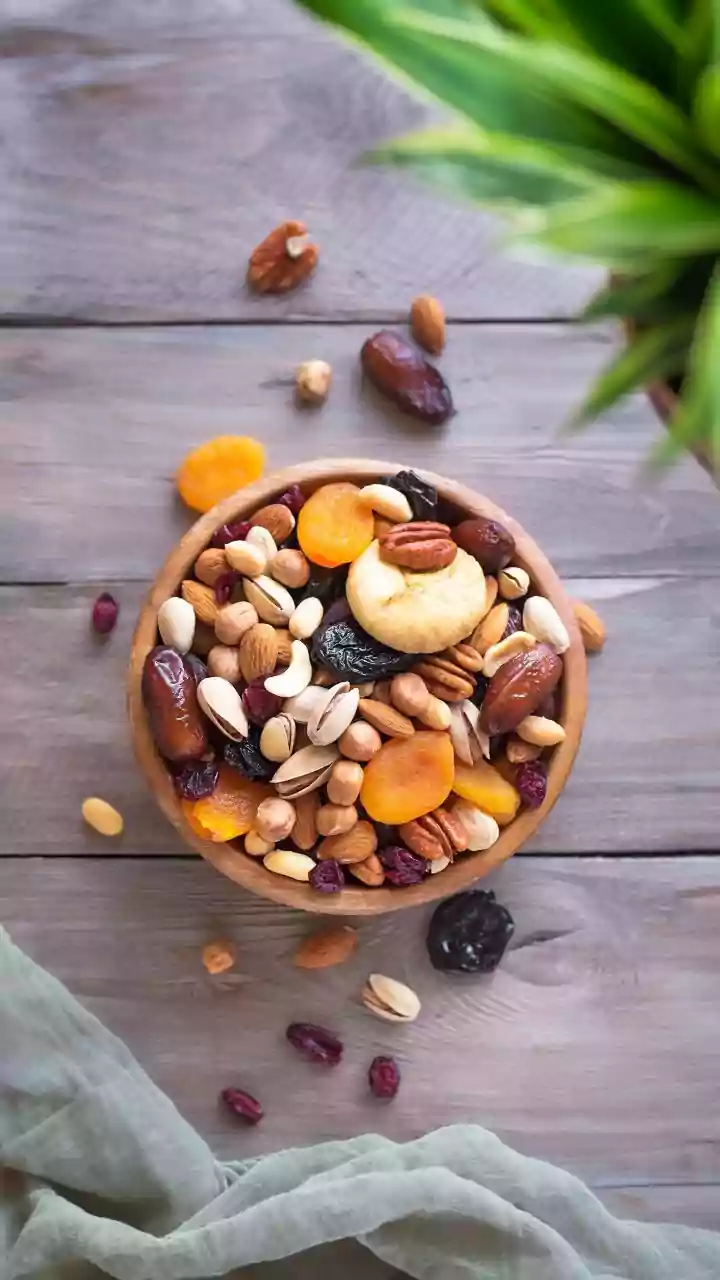
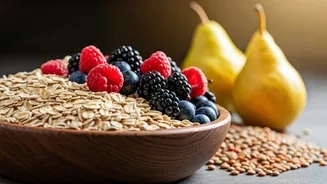
of this management is a balanced diet, focusing on whole, unprocessed foods. Prioritizing complex carbohydrates, such as whole grains, legumes, and non-starchy vegetables, is crucial. These foods release glucose into the bloodstream gradually, preventing sharp spikes. Lean proteins, like fish, poultry, beans, and tofu, play a vital role in satiety and muscle maintenance without significantly impacting blood sugar. Healthy fats, found in avocados, nuts, seeds, and olive oil, are essential for overall health and can also aid in blood sugar control. It's about creating a sustainable eating pattern that nourishes your body while keeping your diabetes in check, making informed decisions about portion sizes and the quality of your food choices.
The Carbohydrate Connection
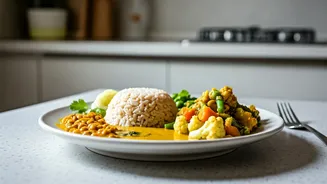
Carbohydrates are often a primary focus when discussing diabetes management, and for good reason. They are the body's main source of energy, but their impact on blood glucose levels needs careful consideration. For individuals with Type 2 Diabetes, the type and amount of carbohydrates consumed are paramount. Opting for complex carbohydrates, rich in fiber, is key. These include foods like brown rice, quinoa, oats, and a wide array of vegetables and fruits. Fiber slows down the absorption of sugar, leading to a more stable blood glucose response. Conversely, refined carbohydrates, such as white bread, sugary drinks, and processed snacks, cause rapid blood sugar increases and should be limited. Understanding carbohydrate counting or the glycemic index can be powerful tools in making educated food selections that support your health goals and keep your diabetes effectively managed.
Protein and Fat Strategies
Beyond carbohydrates, incorporating the right kinds of protein and fats into your diet is essential for a well-rounded approach to managing Type 2 Diabetes. Lean protein sources are highly beneficial; they help you feel full for longer, which can prevent overeating, and they have a minimal impact on blood sugar levels. Examples include grilled chicken or fish, lentils, chickpeas, and Greek yogurt. When it comes to fats, the focus should be on unsaturated fats, often referred to as the 'good' fats. These are found in foods like avocados, nuts, seeds, and olive oil. They contribute to heart health, which is particularly important for individuals with diabetes, and can also help in moderating blood glucose. Limiting saturated and trans fats, typically found in fried foods, processed snacks, and fatty meats, is also a crucial step in maintaining overall health and supporting diabetes management.
Portion Control and Timing
Effectively managing Type 2 Diabetes isn't just about what you eat, but also how much and when you eat it. Precise portion control is a critical strategy that helps prevent excessive calorie intake and keeps blood sugar levels within a target range. Using smaller plates, measuring food portions, and being mindful of serving sizes are practical methods. Furthermore, consistent meal timing plays a significant role. Eating meals and snacks at regular intervals throughout the day helps maintain a steady supply of energy and prevents extreme fluctuations in blood glucose. Skipping meals or having irregular eating patterns can lead to overeating later or cause blood sugar dips and spikes. Establishing a predictable eating schedule supports your body’s metabolic processes and contributes to better overall diabetes control.