






Connected Skies Ahead
The skies are no longer silent zones for communication. Passengers can now experience a new level of connectivity at cruising altitudes, thanks to the
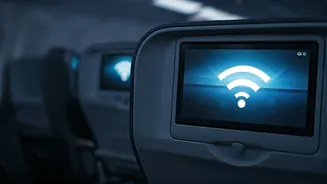
integration of high-speed internet across an airline's fleet. This technological leap allows for more than just basic web browsing; it opens the door to making voice and even video calls while soaring thousands of feet above the ground. The airline aims to have this advanced internet system installed on all its aircraft within the next two years, signaling a significant shift in the passenger experience. This evolution promises to keep travelers in touch with the world below, transforming traditionally disconnected flight time into an opportunity for seamless communication and productivity, all while maintaining the essence of a peaceful journey.
Courtesy is Key
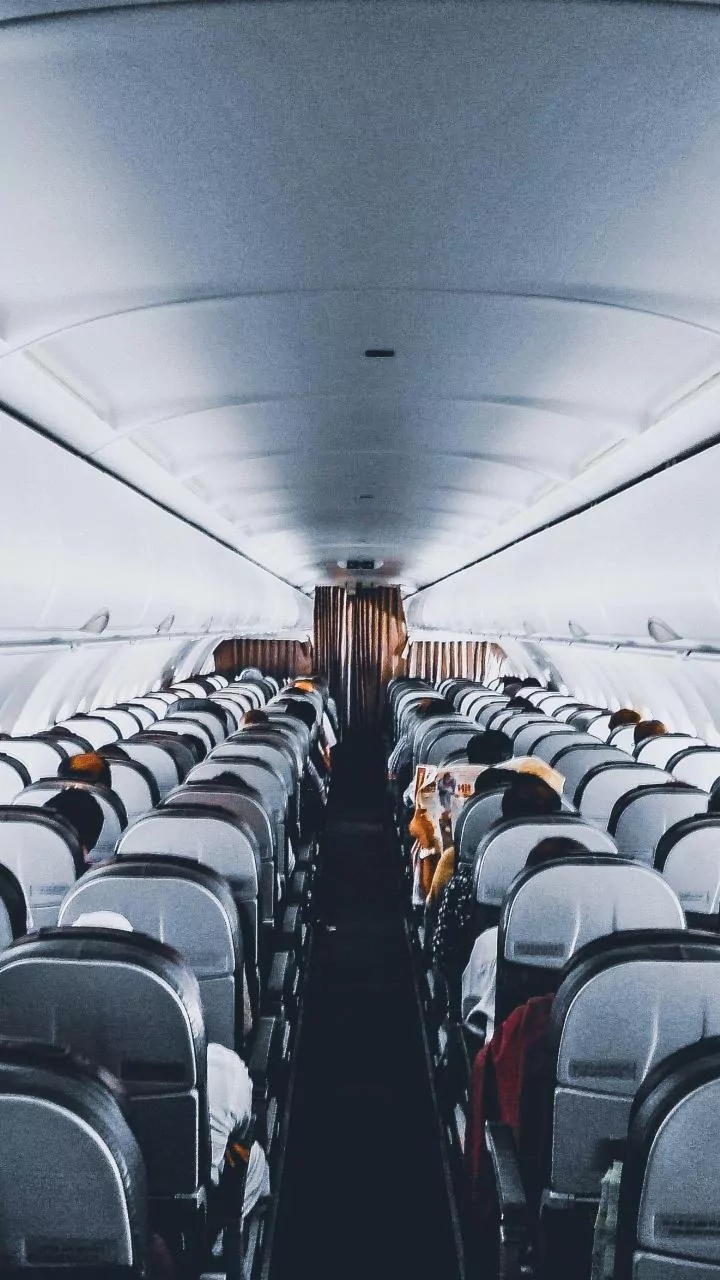
While the ability to communicate openly during a flight is an exciting development, the airline emphasizes that maintaining a peaceful cabin environment for all passengers is paramount. To ensure this, clear guidelines have been established for those wishing to make calls. The core principle is consideration for fellow travelers. Passengers are specifically instructed to keep their voices low and, crucially, to use headphones when making or receiving calls. This measure is designed to prevent any disruption to others who might be resting, working, or enjoying a quiet journey. Adherence to these simple rules is expected, fostering a shared sense of respect and ensuring that the new connectivity features enhance, rather than detract from, the overall travel experience.
Beyond Calls
The new, high-speed internet service powering these in-flight communication capabilities offers a robust suite of features far beyond just voice and video calls. This advanced system boasts impressive speeds, capable of supporting a wide array of demanding online activities. Travelers can look forward to seamless streaming of their favorite movies and shows, engaging in online gaming without frustrating lag, and efficiently managing work-related tasks. The airline has indicated that the system can deliver speeds of up to 500 Mbps, a significant upgrade that transforms the in-flight entertainment and productivity landscape. This means passengers can enjoy a rich digital experience, making long journeys more enjoyable and productive.
Industry Trend
This move towards enhanced in-flight connectivity is not an isolated initiative; it reflects a broader trend emerging across the aviation industry. Several other major airlines are also in the process of integrating similar high-speed internet solutions, such as the Starlink system, into their fleets. This widespread adoption signals a collective recognition of passengers' desire to stay connected. Some carriers are already offering free Wi-Fi to their loyalty program members, while others are expanding their Wi-Fi services to cover a wider range of aircraft and flight types. This competitive landscape is pushing airlines to offer increasingly sophisticated connectivity options, making the dream of a truly connected flight a tangible reality for a growing number of travelers.
A Look Back
The concept of making calls from an airplane seat isn't entirely new, though the technology has evolved dramatically. Decades ago, in-seat phones, often referred to by brand names like Airfone, were a novel feature for passengers. These devices, requiring credit card payments for call minutes, were a glimpse into the future of air travel communication. However, changes in regulations and consumer habits led to their decline. In contrast, many airlines today prohibit voice or video calls altogether, prioritizing cabin tranquility. Some systems are not equipped to handle these features, while others explicitly ban them. Yet, with the advent of new technologies, the ability to conduct calls mid-flight is being revisited and re-implemented, albeit with updated guidelines for passenger comfort and consideration.