





The Vine's Allure
Move beyond the typical red feeders and common plants; there's a truly exceptional vine that can make your garden a magnetic destination for hummingbirds
throughout the warmer months. This captivating plant, scientifically known as Cochliasanthus caracalla, is often called the corkscrew vine or snail vine due to its truly unique and mesmerizing flower formations. These blooms gracefully spiral, reminiscent of miniature nautilus shells, and appear in a delightful palette of white, creamy yellow, and soft purple hues. Beyond their visual appeal, these flowers emit a sweet, subtle fragrance, much like an exquisite outdoor perfume. Crucially, this vine is a rapid grower and commences its blooming cycle in late spring, continuing its vibrant display well into the fall—precisely when hummingbirds are most active across much of the United States, making it an ideal, long-lasting nectar source.
Hummingbird's Ideal Match
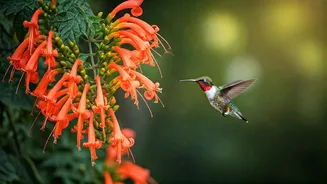
Hummingbirds possess a remarkable ability to locate the most rewarding nectar sources, and their preferences are quite specific, often guided by flower shapes perfectly suited to their delicate anatomy. The corkscrew vine's blossoms are a testament to this, featuring a tubular and spiraled structure that aligns precisely with the natural design of a hummingbird's long beak and tongue. This symbiotic fit means they can easily access the nectar held within. Scientific research, published in a relevant journal, supports this, indicating that the asymmetrical structure of the Cochliasanthus caracalla bloom is specifically engineered to attract and reward particular pollinators, including hummingbirds. Furthermore, the vine's warmer, vivid colors act as a beacon, as hummingbirds are famously drawn to bright, energetic hues, a fact corroborated by studies on their foraging behaviors. These birds consistently favor and return to flower sources that offer a reliable and abundant supply of nectar, a promise the corkscrew vine steadfastly delivers over its extended blooming period.
Effortless Cultivation
One of the most compelling aspects of the corkscrew vine is its remarkably low-maintenance nature, requiring minimal effort for substantial rewards. While a few essential conditions must be met, none demand drastic lifestyle changes. The vine thrives in full sun, needing at least six to eight hours daily, making south or west-facing structures like fences, porch posts, or trellises ideal locations. Consistent moisture is key; the soil should be kept damp but never waterlogged, as the plant can wilt significantly during dry spells, particularly when grown in containers which dry out faster and necessitate more frequent watering. Regarding soil, it prefers a well-drained, slightly acidic mix, with standard outdoor potting soil being perfectly suitable for container planting. As a vigorous grower, it benefits from regular feeding; a balanced liquid fertilizer applied monthly throughout the growing season will ensure robust growth and prolific blooming. Minimal pruning is required, typically just a light clean-up of dead or damaged stems in late winter or early spring before new growth emerges. Pinching back the tips in spring can encourage a bushier, more compact form.
Container Gardening Advantage
Given its impressive growth rate, the corkscrew vine can quickly become quite expansive, making container cultivation an exceptionally smart choice, especially for those with limited garden space, such as apartment dwellers with balconies or individuals with smaller yards. Growing this vine in a large pot effectively controls its size, allowing it to be repositioned to maximize sun exposure throughout the day. Importantly, this method does not diminish its ability to bloom profusely, emit its delightful fragrance, and attract pollinators. All that's needed is a spacious container placed near a patio door or secured to a balcony railing, accompanied by a simple trellis for support. This approach demonstrates that one doesn't require an extensive backyard to enjoy the captivating presence of this hummingbird magnet.
Planting and Seasonal Care
For those residing in USDA zones 9 through 11—encompassing regions like Southern California, Arizona, Texas, Florida, and other areas free from hard freezes—the corkscrew vine flourishes as a perennial, returning year after year. The ideal time to plant is in the spring, after the threat of the last frost has passed. Ensure it has a structure to climb, and it will establish itself beautifully. If you live in a cooler climate with colder winters, it's best to treat it as an annual. While you will still experience its full summer splendor, it will not survive the winter months outdoors. Hummingbirds are discerning creatures; they actively seek out the most beneficial food sources, and this vine presents a formidable offering. Once established, it provides months of blooms, a pleasing aroma, and demands very little in return. Considering its substantial benefits and ease of sourcing, growing, and maintenance, the corkscrew vine stands out as a truly exceptional addition to any garden aiming to attract these enchanting birds.