




Manipur's Lifeline
Loktak Lake, gracefully situated in the heart of Manipur, stands as the grandest freshwater expanse in Northeast India. It serves as the vital lifeline
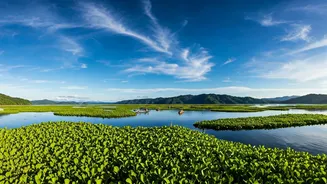
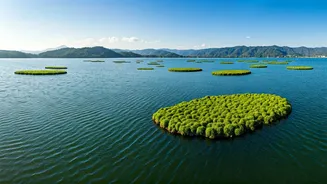
for the state, its expansive waters nourishing the land and supporting a myriad of life. This shimmering aquatic landscape is not just a source of sustenance for local communities, providing essential resources for fishing and irrigation, but also a breathtaking spectacle of natural beauty, adorned with verdant floating formations that captivate the imagination of all who behold it. Its significance extends far beyond its visual appeal, underpinning the very existence and prosperity of the region.
The Mystical Phumdis
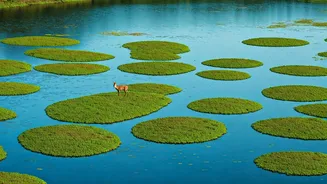
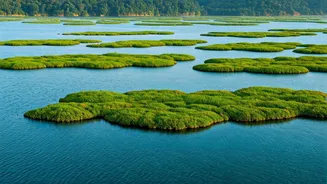
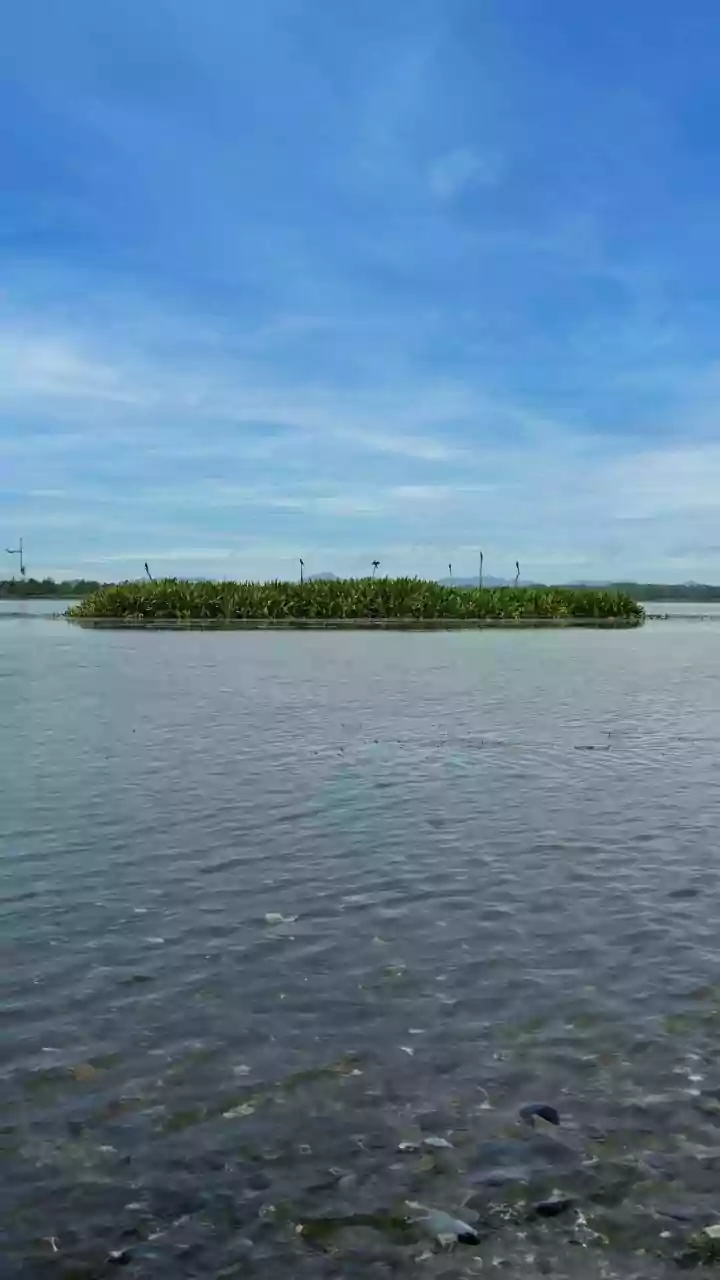
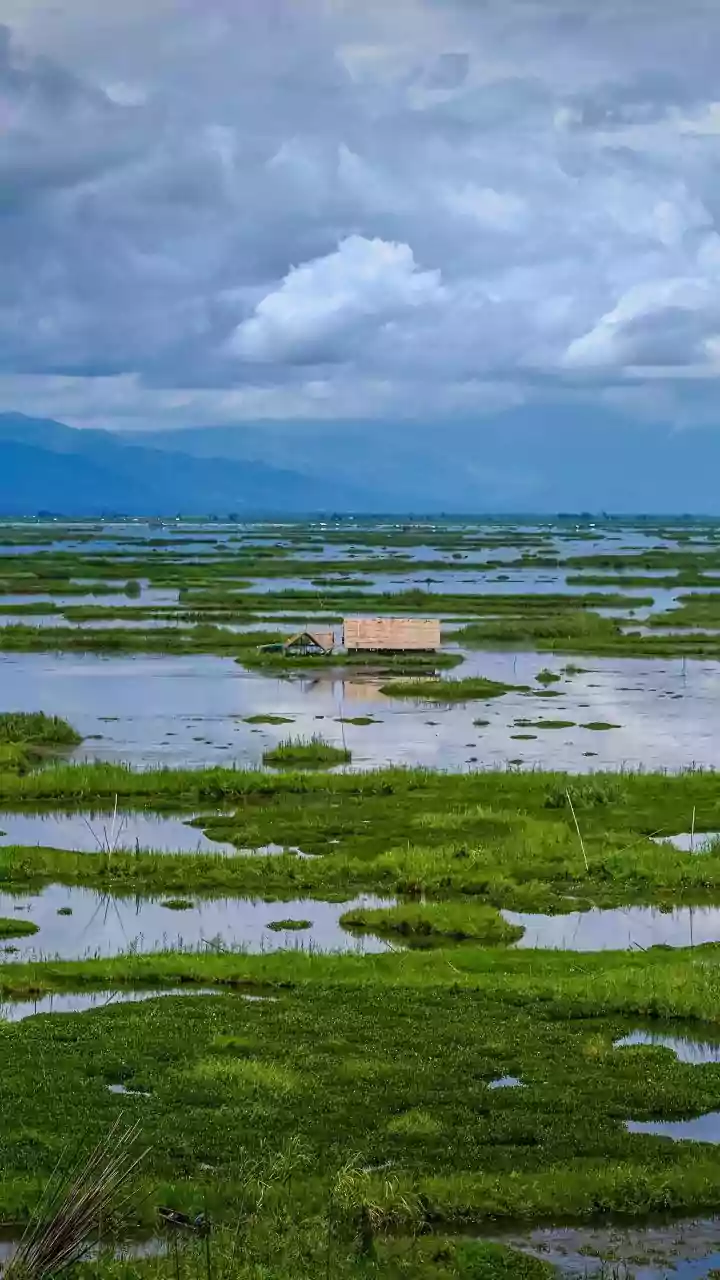
The defining characteristic of Loktak Lake is its extraordinary floating islands, known as 'phumdis'. These are not mere vegetation but complex, buoyant structures formed from a dense amalgamation of soil, organic debris, and plant matter. They possess a unique spongy quality and drift serenely upon the water's surface, with a substantial portion of their mass concealed beneath the water, akin to the submerged part of an iceberg. The sheer scale of some phumdis is astonishing, with many large enough to bear the weight of entire human dwellings and even small-scale agricultural plots, demonstrating an incredible adaptation of life to this fluid environment.
Life Afloat
For many local inhabitants, the phumdis are not just natural phenomena but homes. Fishermen have ingeniously constructed floating shelters, referred to as 'phumsangs', atop the smaller phumdi formations. These floating villages represent a profound connection to the lake, where traditional fishing practices are carried out sustainably, and a way of life deeply in sync with the natural ebb and flow of the water is preserved. The presence of these communities adds a vibrant human element to the already remarkable floating landscape, showcasing a unique coexistence between people and nature.
World's Sole Floating Park
Gracing the southeastern expanse of Loktak Lake, the Keibul Lamjao National Park is a global marvel, holding the unparalleled distinction of being the planet's only national park that floats. Spanning an area of approximately 40 square kilometers, this sanctuary was established with the critical objective of safeguarding its delicate ecological balance. The entire park is built upon a colossal phumdi, which rises and recedes dynamically with the fluctuating water levels of the lake, making it an extraordinary testament to wetland wonders and a truly unique conservation area.
A Wetland's Dynamic Habitat
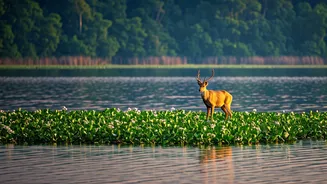
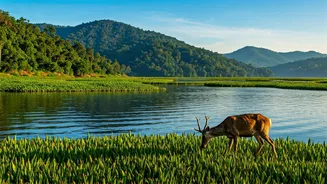
The floating meadows of Keibul Lamjao National Park cultivate an incredibly dynamic and distinctive habitat found nowhere else on Earth. These phumdis serve as vital grounds for grazing, offer essential shelter, and provide crucial breeding sanctuaries for the park's diverse array of wildlife. The interplay of seasonal water level variations causes the park's surface to constantly transform, contributing to its ethereal beauty and perpetually shifting character, a true embodiment of a living, breathing ecosystem.
Home of the Sangai
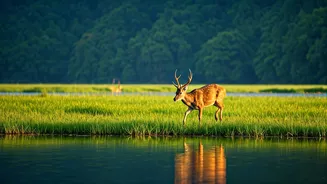
This extraordinary park is the last known natural sanctuary for the critically endangered Manipur brow-antlered deer, affectionately known in the local dialect as the 'Sangai'. Renowned for its ethereal gait, the 'dancing deer' navigates the spongy phumdis with remarkable agility, its delicate hooves perfectly adapted to the unique floating terrain. Once believed to be lost to extinction, the Sangai has become a potent symbol of conservation success and is proudly recognized as the state animal of Manipur, representing hope and resilience.
Abundant Biodiversity
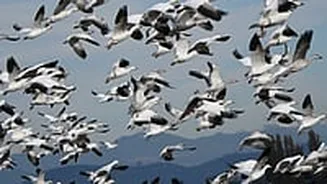
Beyond the iconic Sangai, the park and the broader Loktak Lake ecosystem teem with a rich variety of life. Visitors can observe hog deer, playful otters, and a multitude of waterfowl, including migratory birds that grace the area during the winter months. The phumdis themselves are hosts to a flourishing array of aquatic flora and fauna, solidifying Loktak Lake's status as a vital Ramsar wetland site of international ecological importance. This biodiversity hotspot plays a crucial role in supporting both the natural world and the livelihoods of the people who depend on it.
Preserving a Treasure
Currently recognized as a tentative UNESCO World Heritage site, Loktak Lake and its Keibul Lamjao National Park face significant conservation challenges. Issues such as fluctuating water levels, the pervasive threat of pollution, and habitat pressures put this natural jewel at risk. The preservation of this unique ecosystem is paramount for the survival of the Sangai and the intricate web of life it sustains. Those who visit Loktak Lake depart with indelible memories of one of nature's most awe-inspiring and extraordinary creations.