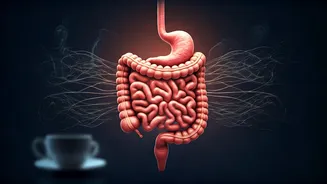







Mental State's Physical Echo
It's a common misconception to compartmentalize our mental and physical selves. However, experts explain that psychological conditions like persistent
stress, anxiety, and depression are not confined to our thoughts. These states can manifest physically, leading to tangible issues such as disrupted sleep patterns, elevated blood pressure, gastrointestinal distress, and a compromised immune system over extended periods. Essentially, the discomfort of mental strain translates directly into bodily symptoms, highlighting a profound interconnectedness that influences our overall health.
Physical State's Mental Impact
The influence flows in both directions, with physical health significantly shaping our mental landscape. Conditions like obesity, chronic pain, or hormonal imbalances such as those seen in diabetes can profoundly affect mood and energy levels, frequently contributing to feelings of fatigue, the onset of mood disorders, and a general decline in motivation. This bidirectional relationship underscores why managing long-term physical illnesses often involves addressing the emotional and psychological toll they take, making the recovery process more complex than merely treating the corporeal aspects.
Everyday Connections Visualized
The interplay between the mind and body is readily observable in our daily routines and their outcomes. Engaging in regular physical activity, for instance, does more than just strengthen the body and cardiovascular system; it stimulates the release of endorphins, natural mood elevators that contribute to a sense of happiness. Similarly, sufficient sleep is vital not only for physical restoration but also for regulating our emotional equilibrium, controlling appetite, and promoting general well-being. Furthermore, our dietary choices have a direct bearing on how we feel. A nutritious diet supports cognitive function and emotional stability, while inadequate nutrition can exacerbate feelings of tiredness, anxiety, and low spirits.
The Imperative of Balance
Adopting a comprehensive view of health is paramount. Practices aimed at nurturing emotional wellness, including mindfulness techniques, professional psychological support, and fostering social connections, can significantly bolster physical health. Conversely, prioritizing physical activities, maintaining a wholesome diet, and ensuring adequate rest contribute to enhanced mental resilience. This holistic perspective recognizes that caring for one aspect of well-being invariably benefits the other, creating a virtuous cycle of health.
Hardware and Software Analogy
To simplify this complex relationship, consider the analogy of our bodies as hardware and our mental states as software. Just as a computer requires both functional hardware and up-to-date software to operate efficiently, our overall health depends on the synergistic functioning of both our physical and mental selves. Neglecting one invariably compromises the performance of the other. Therefore, true health is not about prioritizing either mental or physical well-being but about understanding their constant collaboration and nurturing both for optimal function and a better quality of life.