





Dal: A Closer Look
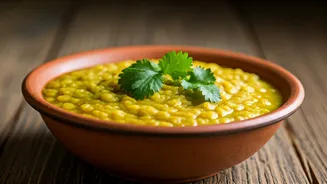
Dal, a cornerstone of Indian cuisine, is generally considered a nutritious food source, but can often lead to digestive discomfort, particularly bloating.
The Raipur oncologist aims to clarify the misconceptions surrounding dal preparation and its effects on the body. This article addresses several common myths and misunderstandings regarding how dal is prepared, consumed, and how it impacts one's digestive system. The doctor's expertise helps us understand the factors that cause bloating when eating dal, allowing individuals to make informed choices. By dispelling popular myths and giving practical advice, this article provides readers with the knowledge they need to enjoy dal without facing any troubles.
Myths and Misconceptions
There are numerous myths about dal, and the oncologist has chosen to address the most prevalent ones to help people. One prevalent belief is that all types of dal cause bloating. In reality, some dal varieties are easier to digest than others. For example, moong dal is often considered less likely to cause bloating compared to chana dal. Another misunderstanding is the idea that bloating is unavoidable. While dal naturally contains compounds that can generate gas, proper preparation methods can significantly reduce this effect. Lastly, many people mistakenly believe that bloating is solely due to the dal itself. The manner in which the dal is cooked and the foods it is combined with can also contribute to digestive issues. The oncologist seeks to resolve these myths with evidence-based tips and guidelines, enabling people to make well-informed food choices.
Cooking Dal Smartly
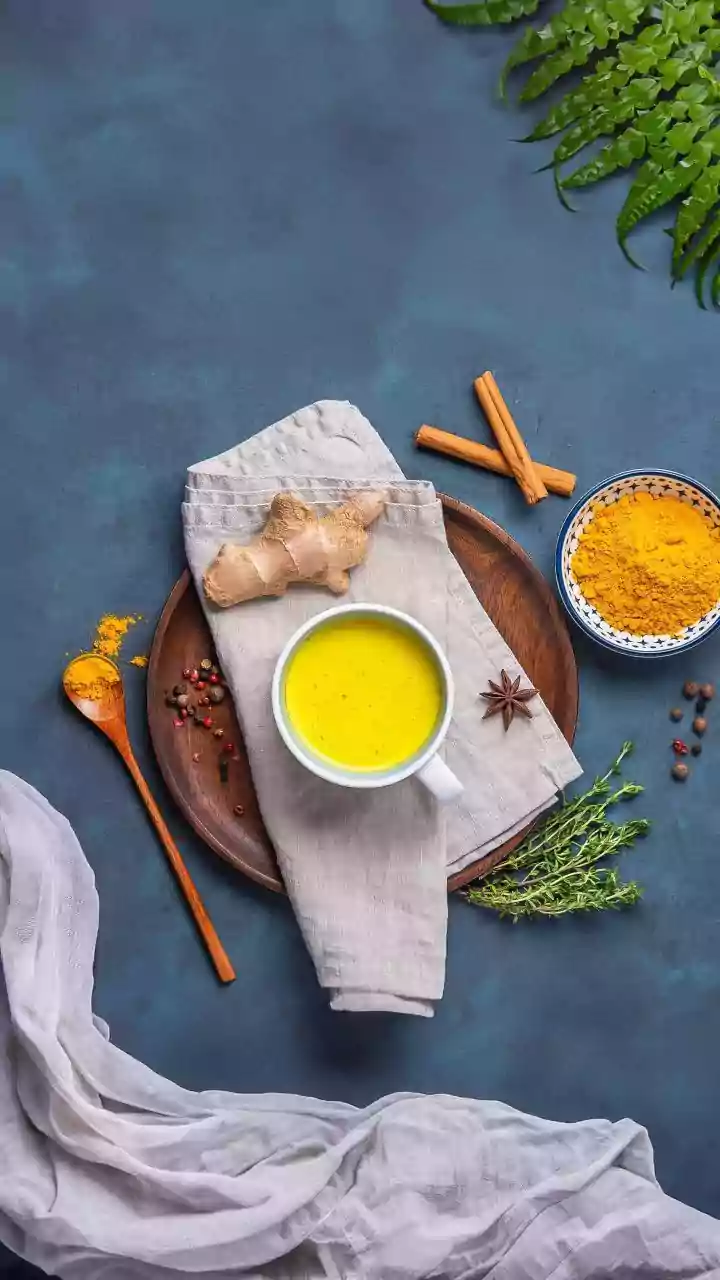
The oncologist advises several cooking techniques to reduce bloating. Soaking the dal for several hours or even overnight before cooking is one of the important methods. Soaking allows the dal to begin breaking down, making it simpler for the body to digest. Secondly, properly rinsing the dal before cooking removes any impurities and substances that might trigger digestive issues. Adding hing (asafoetida), a common Indian spice, can also help. Hing is known for its digestive properties and can help lessen gas and bloating. Cooking dal at the right temperature and for an adequate amount of time is crucial. Overcooked dal may become tougher to digest, increasing bloating. Furthermore, adding spices like ginger and turmeric, which have anti-inflammatory effects, can also help to ease digestion and promote overall gut health.
Choosing Dal Wisely
Not all types of dal have the same impact on the digestive system. The oncologist highlights the variations in digestibility between different dal varieties. Generally, lighter dals, like moong dal and masoor dal, are easier to digest and less likely to cause bloating. These dals have a lower fiber content and are thus less likely to cause gas. On the other hand, dals such as chana dal and rajma (kidney beans) are denser and have a greater fiber content, which may cause bloating for certain individuals. When selecting dal, it's also important to consider individual sensitivities. Some people are more sensitive to certain legumes than others. The oncologist recommends trying different dal types and monitoring how the body responds to each. This enables individuals to identify which dals are most suited for their digestive system.
Pairing Dal with Foods
The oncologist also looks into the role of food pairings in the context of dal consumption. Certain pairings can either assist or worsen digestive problems. Pairing dal with easily digestible foods is usually better. Serving dal with rice, which is easily digestible, helps to balance the high fiber content of the dal. Also, eating dal with a side of vegetables may aid digestion. Steaming or boiling vegetables reduces their fiber content, making them easier on the gut. Moreover, avoiding combinations that are heavy or hard to digest may prevent bloating. For example, mixing dal with fried foods or excessive amounts of dairy can increase the risk of bloating. Paying attention to what foods are eaten with dal can help minimize discomfort and promote a comfortable eating experience.