
Cumin Seeds' Aroma
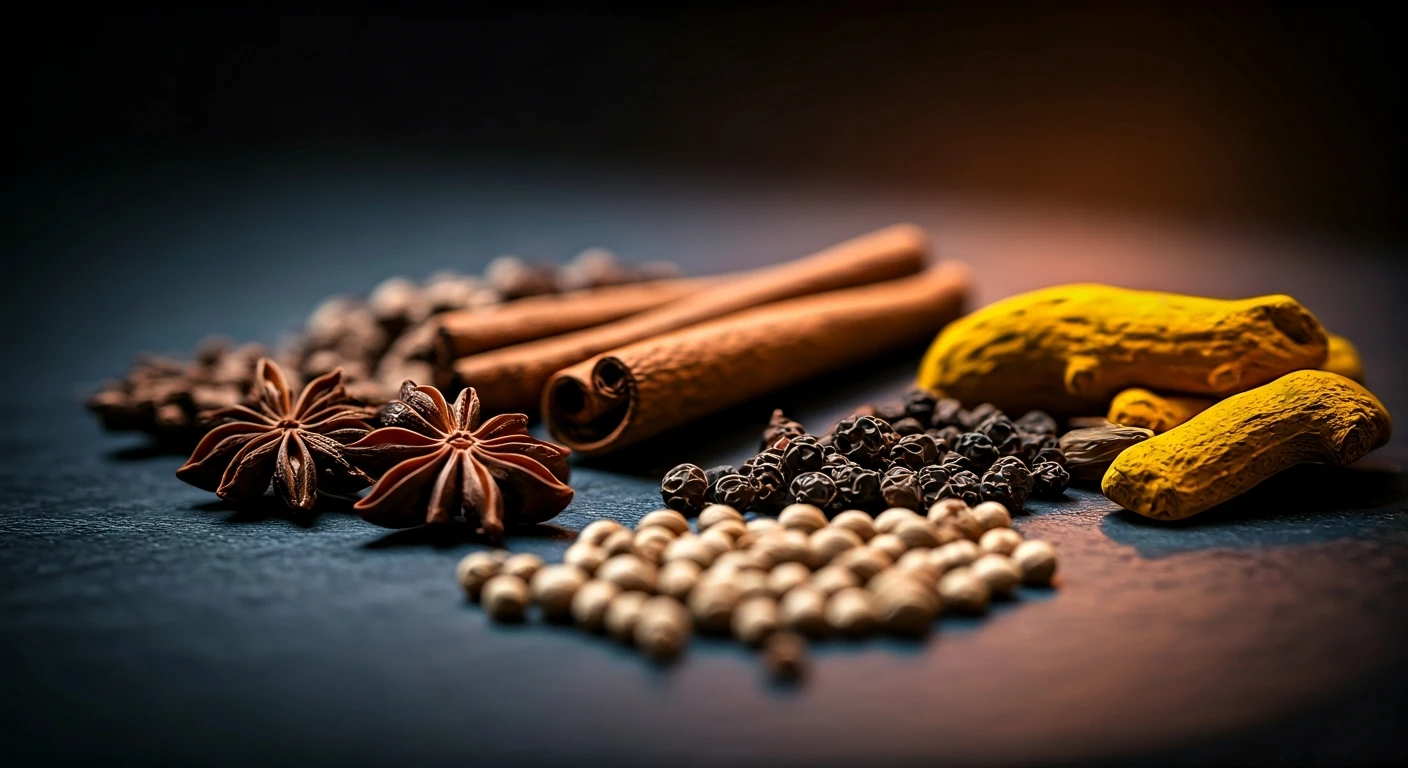
The journey to delicious dal begins with cumin seeds. Drop the seeds into hot oil first and wait for the crackle. This ensures they release their delightful
aroma. However, caution is advised: high heat can lead to burnt seeds, which can ruin the taste of the dal. Therefore, the flame must be kept at a medium level to prevent burning and to extract the maximum flavor from the seeds. Ensuring the seeds are properly cooked and releasing their fragrance is the first step in achieving a flavorful and aromatic dal. This sets the stage for the rest of the ingredients and techniques that follow, providing the foundation for a truly delicious dish.
Asafoetida's Subtle Touch
Next comes asafoetida, a spice known for its potent aroma and flavor-enhancing properties. Add only a pinch of this ingredient. Too much can make the dal bitter, so the key is moderation. When used correctly, asafoetida enriches the flavor profile of the dal and aids digestion. It introduces a unique, savory element that distinguishes good dal from great dal. This step demonstrates the importance of balancing flavors, as a little asafoetida goes a long way in creating a memorable culinary experience. Asafoetida is crucial for authentic taste.
Choosing the Base Oil
The type of oil you use has a significant impact on the final taste of your dal. Ghee is an excellent choice, as it adds a rich aroma that many find irresistible. Alternatively, peanut oil or mustard oil can be used. Ensure the oil or ghee is sufficiently heated before tempering, because this step is essential for extracting the flavor of the spices and aromatics. Heating the oil correctly is crucial as it ensures the even distribution of heat and allows the flavors of the subsequent ingredients to properly infuse into the dish. The choice of oil is crucial; it contributes significantly to the unique taste profile of your homemade dal, making it more flavorful and fragrant.
Onions: To Add or Not?
The decision to include onions in the tempering is a matter of personal preference. If you choose to add them, it is essential to fry them until they turn golden brown, not pale or burnt. This process contributes a subtle sweetness and a richer overall taste to the dal. The frying technique is just as important as the onions themselves. Overcooked onions might result in a bitter taste, so it's essential to keep a close watch while cooking them. Properly fried onions are a key ingredient in achieving a restaurant-style dal, they add both depth and texture to the dish. Careful cooking ensures they release the perfect flavor into the dal.
Spice and Seal Flavors
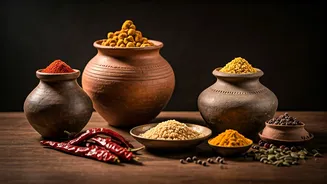
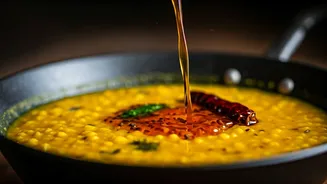
The final stage involves adding powdered spices like turmeric, chili powder, and coriander powder to the tempering. This is done at the end of the cooking process. As soon as you add these spices, turn off the flame or quickly pour the tempering into the boiling dal. After adding the spices, cover the dal with a lid to trap the aroma and infuse the flavors. By adding these spices at the end, you ensure that their essential oils remain intact, and the overall aroma and flavor profile of the dal are intensified. This process is crucial because it locks in all the flavours, and the taste is greatly enhanced. This final step is the culmination of all the previous stages, creating the perfect aroma of the dal.
Ginger & Garlic Saute
For a flavor boost, finely chop ginger and garlic and gently sauté them over low heat until they achieve a light golden color. Overcooking can lead to bitterness, which will negatively impact the flavor of your dal. The slow cooking is important, as it slowly releases their flavors and aromas. Ginger and garlic are essential ingredients in Indian cuisine, and when cooked in the right way, they can add warmth and depth to any dish. This method extracts maximum flavor without burning. This stage is key to achieving a truly authentic and flavorful tadka that elevates the entire dal.
Dried Chilies for Heat
Dried red chilies contribute a blend of heat and aroma. Break them before adding to the tempering process. This releases their spicy essence into the hot oil. However, it's very important to ensure they don't burn, as burnt chilies will leave an unpleasant taste. If the oil is too hot, the chillies may burn. The smoky flavor of properly fried chillies will add a unique flavor profile to your dal. Properly handled, dried red chilies will impart both heat and an enticing aroma to your dal, elevating its overall appeal. The chillies provide an extra layer of taste.