






Immediate Action
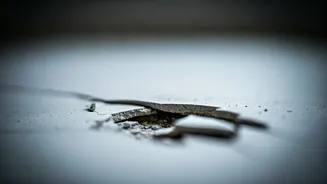
When you notice grout actively breaking away while cleaning, your first and most crucial step is to cease all cleaning activities immediately. Continuing
to scrub or apply pressure can exacerbate the problem, leading to more significant damage and potentially dislodging entire tiles. Think of it as hitting a pause button to prevent further erosion. This immediate halt is vital because even small sections of compromised grout can indicate underlying issues or lead to larger failures if left unaddressed. Once you've stopped, assess the extent of the crumbling. Is it a tiny patch, or are multiple areas affected? This initial assessment will guide your subsequent actions, determining whether a simple repair is feasible or if a more comprehensive approach is necessary.
Repairing Small Cracks
For minor grout damage, such as small cracks or isolated crumbling spots, a DIY repair is often achievable. The process begins with carefully removing the loose or damaged grout using specialized tools like a grout saw. This small, manual instrument is designed to be worked along the grout lines, gently scraping and loosening the old material. Once the old grout is removed, vacuum up any debris thoroughly. Then, clean the exposed tile edges and the grout channel with a cloth dampened with a 1:1 solution of distilled vinegar and water to ensure a clean surface. Visit your local hardware store to find a grout color that matches your existing grout as closely as possible. Carefully follow the manufacturer's instructions for mixing the grout powder with water to achieve the correct consistency. Apply the mixed grout into the gap between the tiles using a grout float tool, pressing it in firmly. Work slowly and methodically to ensure the gap is completely filled. After application, use a damp sponge to carefully wipe away any excess grout from the tile surfaces, aiming for clean, flush grout lines. Allow the new grout to set for approximately 30 minutes until it feels firm to the touch before proceeding with the final wipe-down.
When to Seek Professionals
If the grout damage spans a significant portion of your tiled surfaces, or if you lack confidence in your DIY tiling skills, it's wise to enlist the help of a professional. Extensive grout failure can not only look unsightly but can also lead to more serious consequences like loose tiles, which can be a tripping hazard, and moisture infiltration behind the tiles, potentially damaging the underlying walls or floor. A seasoned professional possesses the expertise and tools to efficiently remove all compromised grout across the entire area. They will also conduct a thorough deep clean, eradicating any accumulated dirt, grime, and potentially harmful mold or mildew that may have taken root. This meticulous preparation ensures a solid foundation before applying new grout and a protective sealant, safeguarding your tiles for the long term.
Preventing Future Damage
To ensure your grout remains in good condition and avoid future crumbling issues during cleaning, adopting preventative strategies is key. Steer clear of harsh, acidic cleaning agents, as these can degrade grout over time. Opt for gentle, pH-neutral cleaners instead. A paste made from baking soda and hydrogen peroxide is an excellent choice for tackling grime effectively without compromising the grout. When scrubbing, avoid overly abrasive tools. An old toothbrush with nylon bristles offers a good balance, providing enough scrubbing power without being too aggressive. For a deep clean that eliminates embedded dirt, mold, and bacteria without chemicals, consider using a steam cleaner. After cleaning, it is imperative to allow the grout to dry completely, which can take at least 48 hours. Once dry, apply a high-quality grout sealer to protect it and simplify future cleaning. Reseal approximately every 12 to 18 months, or when you notice water no longer beads on the surface. Additionally, a grout colorant can provide an extra layer of stain resistance and a water-repellent barrier, much like a sealant, and can be applied to both old and newly cured grout.