




Fashion's Cultural Tapestry
Bollywood's fashion landscape represents a dynamic interplay of influences, reflecting cultural shifts, social movements, and technological advancements.
The Indian film industry has consistently mirrored societal changes, embracing various aesthetics from traditional to modern. Initially, Bollywood drew heavily from traditional Indian attire, with actresses often seen in elegant sarees and traditional jewelry, reflecting the cultural heritage. As the industry evolved, so did its fashion, incorporating Western influences like flared pants, bold colours and innovative silhouettes. The 1960s saw the rise of the glamorous Bollywood aesthetic, with actresses sporting bouffant hairstyles and fitted dresses. Furthermore, the 1990s witnessed the emergence of contemporary styles, including leather jackets and ripped jeans that resonated with a younger generation.
Early Cinematic Aesthetics
In its formative years, Bollywood cinema presented fashion that was deeply rooted in Indian tradition. The style emphasized rich fabrics like silk and brocade, often used in sarees and kurtas, reflecting India's textile heritage. Actresses and actors were often adorned in traditional jewelry, including elaborate necklaces, earrings, and bangles, adding to the cultural authenticity of the visuals. Film productions made use of elaborate sets and costumes to depict historical and mythological narratives. Furthermore, the early films often showcased the opulence of Indian royalty and aristocracy, with lavish garments and accessories becoming integral to storytelling. These fashion choices not only added to the visual grandeur but also played a role in conveying cultural values and beliefs to audiences across the country. Through these early styles, Bollywood served as a mirror, reflecting the cultural identity and aspirations of the nation.
Western Influence Emerges
As Bollywood developed, Western influences gradually found their way into the world of fashion on screen. This led to a mix of traditional and Western clothing elements. Styles such as bell-bottom pants, flared skirts, and tailored suits started appearing, reflecting the evolving tastes of the audience. The introduction of jeans, t-shirts, and leather jackets marked a shift towards more casual and modern looks. These Western elements were often integrated with Indian touches, such as pairing a traditional kurta with jeans or incorporating Indian embroidery on Western silhouettes. This fusion created a unique style that blended global trends with local aesthetics. Moreover, this transition also led to a significant shift in makeup and hairstyles. The rise of Hollywood-inspired hairstyles and makeup trends further enhanced the evolving fashion dynamics within Indian cinema.
The '90s Fashion Revolution
The 1990s saw a transformation in Bollywood fashion. The trends mirrored global youth culture, featuring items like ripped jeans, crop tops, and oversized shirts. This period was characterized by the increasing adoption of sportswear-inspired looks, like tracksuits and sneakers, reflecting the growing influence of Western fashion. Bright colours, bold patterns, and dramatic silhouettes dominated the screens, with many actresses adopting glamorous and sometimes over-the-top looks. Furthermore, the films played a critical role in popularizing emerging trends, influencing the fashion choices of the general audience. The era witnessed the rise of designer labels and fashion shows. The combination of Western and Indian styles became more pronounced, with fusion garments. This era showed how Bollywood style and culture continue to develop.
Contemporary Style Today
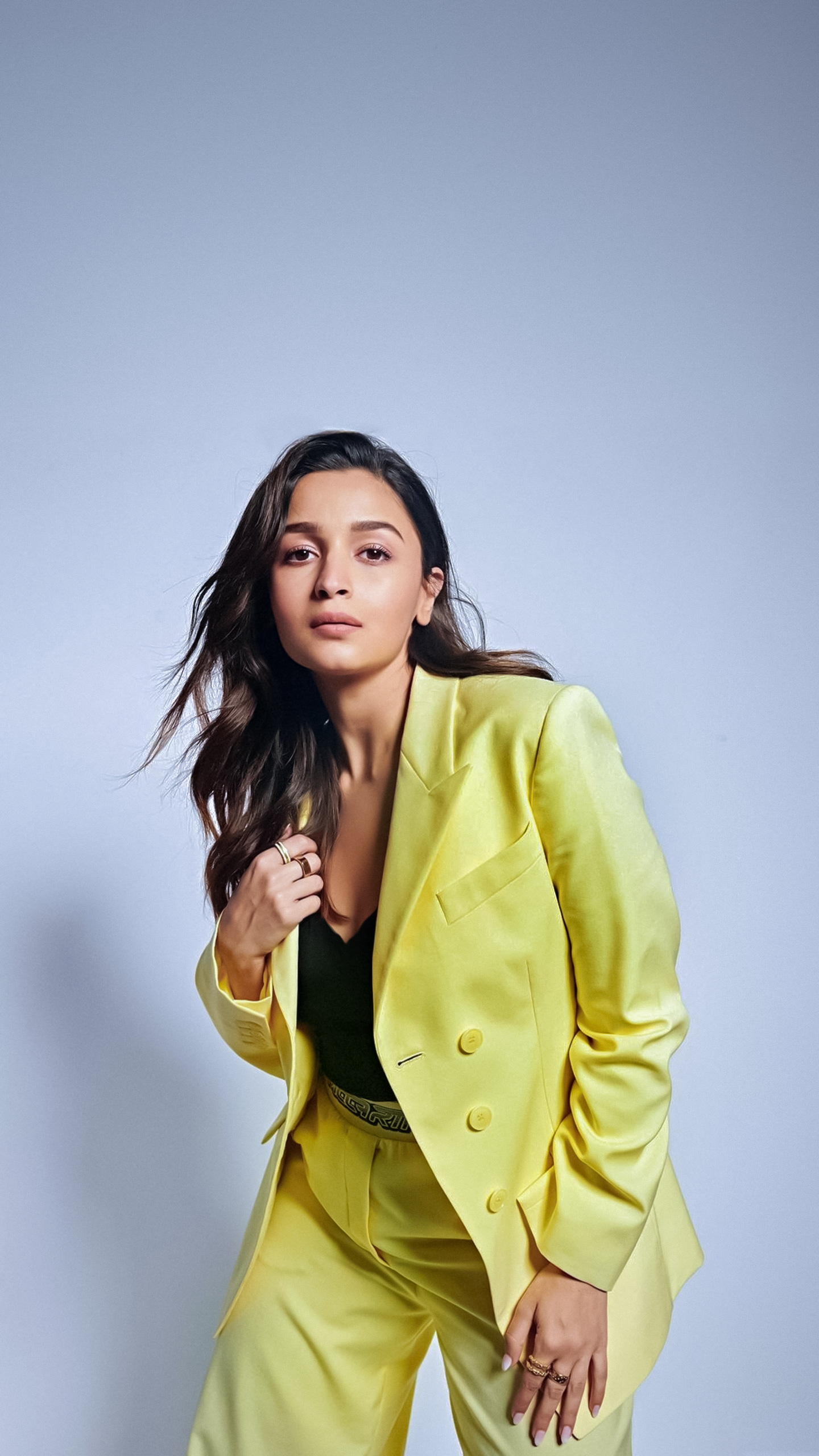
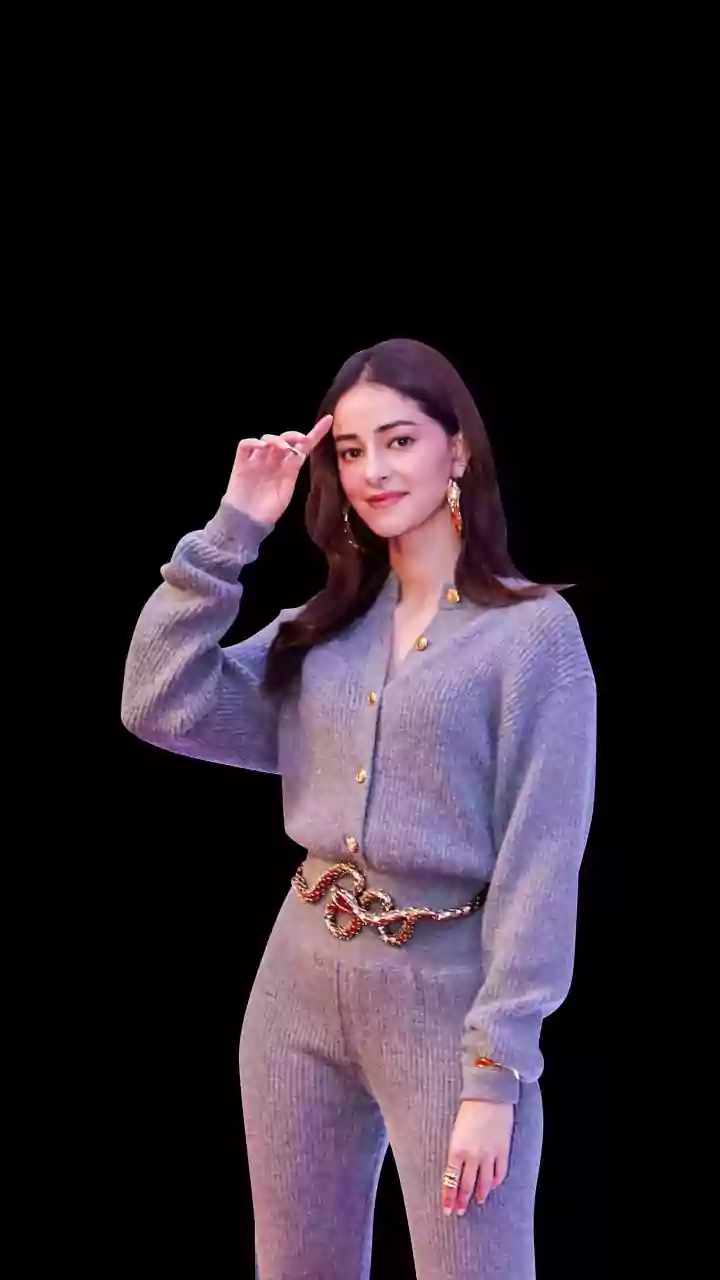
Today's Bollywood fashion is a mix of tradition and innovation, where stars constantly push boundaries. Fashion has become increasingly diverse, including everything from experimental haute couture to everyday streetwear. Red carpet appearances and promotional events showcase high-fashion pieces designed by both Indian and international designers. Bollywood stars are now seen as fashion icons, influencing style and inspiring trends. Moreover, the industry actively uses social media platforms to promote fashion. Bollywood's fashion journey continues to reflect India's cultural identity. It constantly evolves with the changing tastes of audiences and the influence of global trends.