






The Legionella Threat
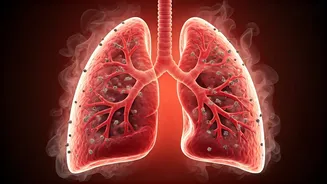
Legionnaires' disease, a severe form of pneumonia, can unfortunately find a breeding ground in hotel water systems. This is due to the bacteria, Legionella
pneumophila, thriving in warm, stagnant water that isn't properly disinfected. The disease's history traces back to a 1976 outbreak at an American Legion convention in Philadelphia, where 182 people fell ill and 29 died, with the hotel's cooling tower identified as the source. Hotels and resorts are recognized as common locations for such outbreaks. The bacteria's preferred environment is water temperatures between 90 and 108 degrees Fahrenheit, making amenities like hot tubs particularly concerning. The action of jets can further aerosolize contaminated water droplets, increasing the risk of inhalation. Other potential sources within hotels include showers and decorative fountains. The CDC notes that approximately 1 in 10 individuals contracting Legionnaires' disease succumb to it, emphasizing the seriousness of this preventable risk.
Identifying Warning Signs
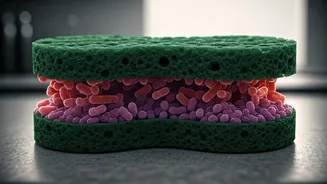
Distinguishing a contaminated water source is challenging for travelers, as Legionella bacteria are imperceptible to our senses – they are odorless and tasteless. However, visual cues can serve as red flags indicating that a hotel's water feature, particularly a hot tub, may not be adequately maintained. Murky, cloudy, or foamy water can suggest issues with cleanliness and disinfection. The presence of visible algae or biofilm clinging to jets, edges, or drains is another significant indicator of neglect. In hot tubs, persistent foam that doesn't readily dissipate often points to a buildup of organic matter. Malfunctioning jets might also signal poor water circulation, which is crucial for ensuring the water passes through filtration and sanitizing systems effectively. Vigilant observation of these elements before using the amenity can help mitigate potential exposure.
Ensuring Water Quality
Travelers can take proactive steps to gauge the safety of hotel water amenities. A key recommendation is to request access to the facility's inspection logs. Many jurisdictions mandate that public pools and hot tubs be checked daily for chlorine and pH levels, with records maintained. Facilities that are well-managed often make these logs readily available for guests to view. If they are not displayed, simply asking for them is a reasonable request. Industry standards provide specific parameters for disinfectant levels: for pools, free chlorine should be between 1 and 3 parts per million (ppm), or 2 to 4 ppm for bromine. Hot tubs require higher concentrations, with free chlorine ideally between 3 and 5 ppm, and bromine between 4 and 6 ppm. If an inspection log reveals biocide levels consistently falling below these recommended ranges, especially in the period leading up to your planned use, it's advisable to avoid the water feature entirely.
Post-Travel Health
If you develop symptoms after traveling that resemble the flu, it's crucial to remember the possibility of Legionnaires' disease. Symptoms typically manifest between two to ten days following exposure. It is vital to inform your healthcare provider about your recent travel and any potential water exposures you may have had, as they may not automatically test for Legionnaires' disease without this crucial information. The situation can be further complicated because common antibiotics prescribed for community-acquired pneumonia, which shares similar symptoms, are not effective against Legionella. Therefore, a specific diagnosis and treatment with appropriate antibiotics are essential for improving outcomes. Early identification and prompt medical intervention significantly increase the chances of a successful recovery.