





Adapting to Supply Woes
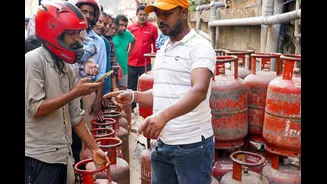
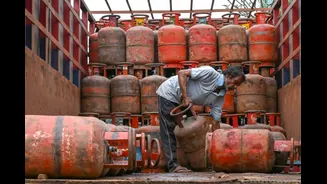
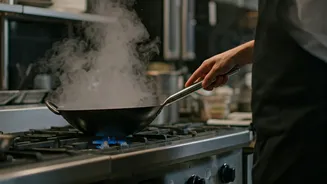
The ongoing global conflict in West Asia has unfortunately led to disruptions in the supply of commercial LPG cylinders, impacting numerous restaurants
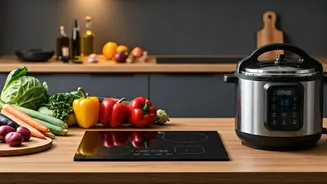
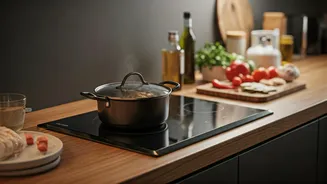
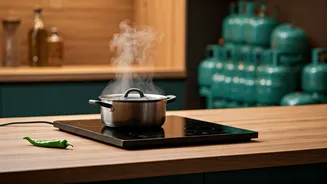
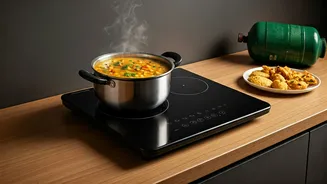
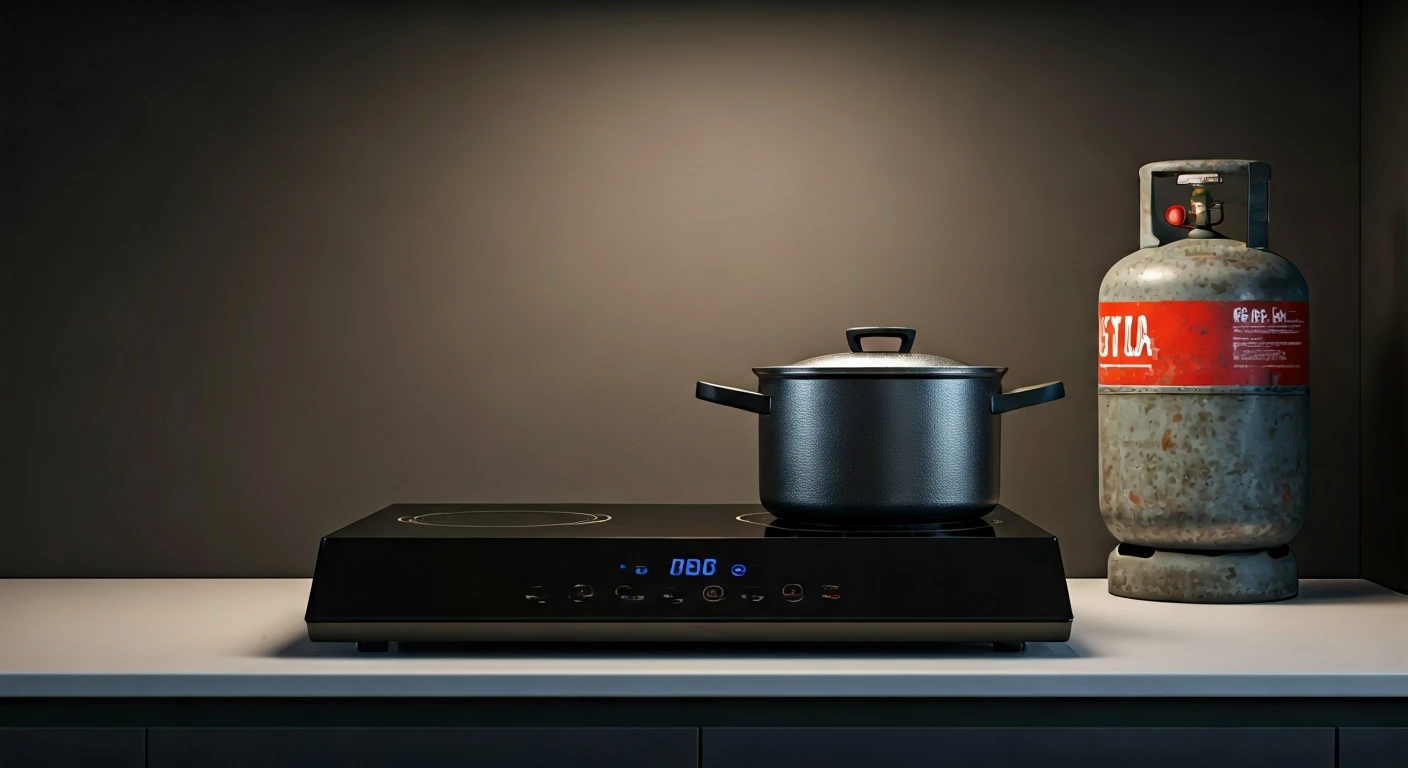
across India. This scarcity, particularly affecting smaller establishments heavily reliant on traditional gas stoves and possessing limited financial buffers, has initially caused a noticeable dip of around 5-10% in orders for cuisines that demand extensive LPG-based cooking. However, the industry is demonstrating remarkable resilience. Many restaurant owners have proactively responded to these supply constraints by strategically modifying their menus, temporarily removing certain dishes that require prolonged cooking times or specific cooking methods. Simultaneously, they are embracing a variety of alternative cooking technologies. These include energy-efficient induction cooktops, traditional wood-fired ovens for a distinct culinary flavor, and modern electric ovens, all of which offer viable solutions for maintaining kitchen operations and serving customers.
Technological Aids Emerge
In response to the challenging LPG supply situation, technology is stepping in to offer crucial support to the restaurant sector. Platforms like magicpin are leveraging AI to provide restaurant partners with real-time insights into order volumes. This data allows eateries to better plan their food preparation, manage inventory, and streamline overall operations during these uncertain times. Beyond digital assistance, there are tangible efforts to equip restaurants with alternative cooking solutions. Plans are underway to distribute approximately 10,000 induction cooking stoves to the most affected restaurant partners in the immediate future. This initiative aims to ensure that these businesses can continue their daily operations without significant interruption, demonstrating a commitment to supporting the industry's backbone through practical aid and technological empowerment.
Owner Perspectives on Coping
Restaurant owners are sharing firsthand accounts of their strategies to navigate the LPG cylinder shortage. For many, the immediate response involves reducing the availability of dishes that are particularly gas-intensive, opting instead for items that can be prepared more efficiently with alternative methods. This means a more focused menu, prioritizing dishes that can be cooked quickly. Narender Yadav, proprietor of Pizza-A-Goodness, highlighted the necessity of adapting to keep the kitchen functional, even if it means temporarily limiting menu options. The situation has also led to increased prices for LPG cylinders on the black market, creating further stress for independent establishments like Hyderabad Biryaani House in Bangalore. Some neighborhood restaurants have been forced to temporarily suspend operations or reduce their operating hours due to the unpredictable LPG supply and the strain of higher costs.
Government and Industry Support
The escalating West Asia crisis has significantly impacted India's energy supply chains, prompting temporary measures to ensure essential services continue. The government has permitted the use of alternative fuels, such as kerosene for household needs and coal, biomass, and refuse-derived fuel (RDF) pellets for hotels and restaurants for a period of one month. This step is crucial given that a substantial portion of India's crude oil, LPG, and LNG imports normally transit through the Strait of Hormuz, which has been affected by the conflict. Furthermore, oil marketing companies are being directed to allocate 20% of the average monthly commercial LPG demand to guarantee that essential businesses receive a baseline supply, mitigating the severity of the shortage and supporting the industry's ability to sustain operations amidst these global disruptions.