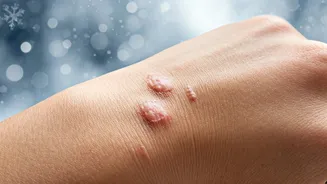







Winter's Skin Challenge
The colder, drier air of winter in India brings about a significant increase in skin issues like psoriasis, eczema, and dermatitis. The drop in humidity
and the drying effect of cold air can strip the skin of its natural moisture. This makes the skin more vulnerable to irritation and inflammation. Psoriasis, often recognized by its scaly patches, can flare up as a result. Similarly, eczema, marked by itchy, red skin, is frequently aggravated by the harsh winter environment. Dermatitis, which can manifest in various ways, is another condition that becomes more prevalent during this season. Understanding these winter-related triggers is essential for managing and potentially alleviating these common skin concerns. Knowing the specific factors that trigger these conditions allows individuals to take preventive measures and seek appropriate treatments.
Psoriasis: Understanding Symptoms
Psoriasis is a chronic autoimmune condition that is frequently seen during the winter. It causes the rapid buildup of skin cells, leading to thick, scaly patches that can be itchy and painful. Common areas affected include the elbows, knees, scalp, and lower back. These patches can vary in size and severity, ranging from small, localized areas to extensive coverage. In addition to the physical symptoms, psoriasis can also affect one's mental health. The appearance of the skin can lead to self-consciousness and emotional distress. It is important for individuals to recognize the signs of psoriasis early to get proper diagnosis and management strategies. The condition's severity fluctuates, often influenced by environmental factors, and understanding its distinct symptoms is key to effective management.
Eczema: Itchy Skin Issues
Eczema, also known as atopic dermatitis, is characterized by intensely itchy, inflamed skin. This condition is more commonly observed during the winter months, and its symptoms can significantly disrupt daily life. The skin often becomes dry, cracked, and extremely sensitive, making it vulnerable to irritation. Scratching can worsen the condition, leading to further inflammation and the risk of infection. Eczema affects people of all ages, and its triggers can vary from person to person. Common triggers include allergens, irritants, and changes in temperature and humidity. Maintaining skin hydration is vital, especially during winter, to alleviate symptoms. Various treatments, from topical creams to lifestyle adjustments, can provide relief and improve the quality of life for those affected by eczema.
Dermatitis: Diverse Manifestations
Dermatitis encompasses various forms of skin inflammation, each with its unique characteristics and causes. During winter, different types of dermatitis become more prevalent. Contact dermatitis arises from contact with irritants or allergens. Seborrheic dermatitis, which causes scaly patches on the scalp and face, is also more common. These conditions often lead to redness, itching, and sometimes blisters or oozing. The specific symptoms of dermatitis depend on the underlying cause. Avoiding known triggers and maintaining good skin hygiene are essential for managing dermatitis. Seeking professional advice is important to accurately identify the specific type of dermatitis and determine the best approach to treatment and care. There are numerous effective treatments that can bring relief and improve one's overall skin health.
Winter's Skin Triggers
The winter season poses several challenges to skin health. The primary culprit is the dry air, which saps moisture from the skin, leading to dryness and irritation. Indoor heating systems further exacerbate the dryness. These conditions can trigger or worsen skin problems. Exposure to cold winds can also lead to skin damage and inflammation. Other potential triggers include harsh soaps, detergents, and certain fabrics. Stress, which is often increased during the winter holiday season, can also play a role in worsening skin conditions. Awareness of these winter-specific triggers is crucial for preventing and managing skin flare-ups. Implementing a holistic skin care regimen to address these factors can help maintain healthy skin.
Caring for Winter Skin
To effectively combat winter skin issues, a multifaceted approach is recommended. Moisturizing regularly is essential to replenish lost moisture and shield the skin from harsh environmental conditions. Using a humidifier to add moisture to the indoor air can also be very helpful. Choosing gentle, fragrance-free cleansers and avoiding hot showers is important to prevent further drying. Protecting the skin from cold winds by wearing protective clothing is equally important. In addition, adopting a healthy lifestyle, including a balanced diet and managing stress, can benefit overall skin health. If you experience persistent or severe skin problems, consulting a dermatologist for personalized advice and treatment is highly recommended. Professional guidance can help accurately diagnose and provide the best course of action.