

Betel Leaf's Health Connection
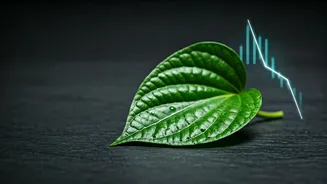
The recent inquiry by TV actress Aishwarya Sakhuja about her nutritionist's suggestion to incorporate betel leaf into her diet for managing HbA1c, a key
indicator of average blood glucose over three months, has sparked curiosity. Sakhuja highlighted the leaf's long-standing use in Ayurvedic traditions and its emerging recognition in modern science. This practice aligns with the understanding that certain plant compounds possess beneficial properties. Betel leaves are recognized for their antioxidant and mild anti-inflammatory characteristics, which are crucial in addressing various health concerns. Dr. Vijay Negalur, a diabetologist, confirms that research suggests these components can contribute to improved glucose metabolism. However, he emphasizes that any observed improvement in HbA1c levels is typically a result of a holistic approach encompassing healthy eating, effective weight management, consistent exercise, diligent monitoring, and, potentially, the inclusion of these leaves.
Mechanism of Action Explained
The way betel leaves might aid in controlling blood sugar levels is primarily through enhancing the body's sensitivity to insulin. Insulin is a vital hormone responsible for regulating glucose uptake by cells. When insulin sensitivity is improved, the body becomes more efficient at utilizing the available insulin. This enhanced utilization means that glucose is more readily transported from the bloodstream into cells for energy, thereby helping to lower overall blood sugar concentrations. Dr. Negalur elaborates that with more effective insulin action, the body can better manage the sugar present in the blood, leading to a more stable glycemic profile. This mechanism is key to understanding why incorporating betel leaves, alongside other healthy practices, could be beneficial for individuals managing diabetes.
Safety and Consumption Guidelines
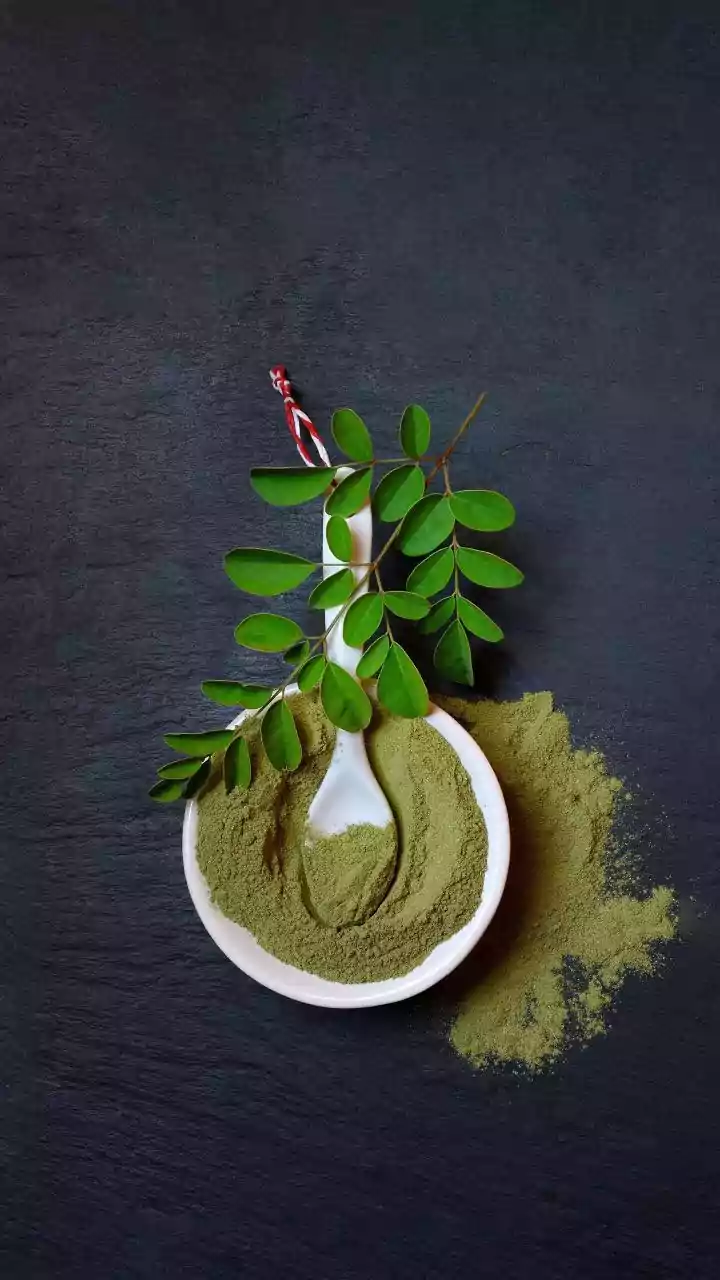
For individuals diagnosed with diabetes, the prospect of trying natural remedies like betel leaf can be appealing, but safety is paramount. According to Dr. Negalur, consuming betel leaves in their plain form, without any additives like tobacco or supari (areca nut), is considered relatively safe. These additions are often associated with negative health effects and can counteract any potential benefits of the leaf itself. To incorporate betel leaves into a diabetic-friendly regimen, he suggests consuming them after meals or as a beverage by boiling the leaves in water and drinking the infused water. These methods provide a simple and safe way to explore the potential advantages of betel leaves without introducing harmful substances.
Betel Leaf vs. Medication
It is crucial to understand that betel leaf, despite its potential health benefits, cannot serve as a substitute for prescribed diabetes medications. Dr. Negalur strongly emphasizes this point, stating that it should be viewed as a complementary natural remedy within a broader healthy diet. While it can contribute to lowering blood glucose levels, it is not a magic bullet for drastic sugar reduction. The HbA1c test provides a snapshot of blood glucose averages over a three-month period, and significant, rapid changes are difficult to achieve with any single remedy, natural or medicinal. Therefore, betel leaf should be integrated into a comprehensive diabetes management plan that includes prescribed medications and lifestyle modifications.