




The Moisture Trap
Plastic bags, a staple in many kitchens, often seem like a convenient way to store vegetables. However, their airtight nature is a double-edged sword.
While they might seem to keep your produce fresh, they actually create a humid environment. This trapped moisture, combined with the vegetables' own respiration (releasing water vapor), fosters the growth of bacteria and fungi, which can accelerate decay. This situation can lead to mold and sliminess, especially in delicate items like leafy greens. Essentially, the very feature that appears protective—airtightness—becomes a catalyst for spoilage. The moisture condenses inside the bag, creating a perfect breeding ground for organisms that thrive in damp conditions, reducing the shelf life of your hard-earned vegetables.
Gas Build-up Concerns
Alongside moisture, the gases released by vegetables themselves play a significant role in their storage life. As vegetables respire, they release gases such as ethylene. While some produce is more sensitive than others, the build-up of these gases inside a sealed plastic bag hastens the ripening process, often leading to over-ripening and deterioration. This is particularly noticeable in fruits and vegetables that produce high levels of ethylene, like apples and bananas, but the effect can be seen across the board. The bag effectively traps these gases, creating a concentrated environment that signals the vegetables to mature more quickly, leading to spoilage. Over time, the trapped gases degrade the cellular structure of the vegetables, resulting in changes in texture, taste, and ultimately, a shortened lifespan.
Alternative Storage Solutions
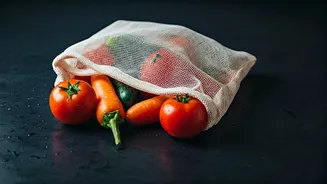
Fortunately, there are several effective alternatives to storing vegetables that help to prolong their freshness. One of the simplest methods involves using breathable containers or perforated bags. These options allow air to circulate, reducing moisture build-up and preventing the accumulation of gases. Consider using reusable produce bags made of mesh or cloth. Another excellent approach is to store vegetables in the crisper drawer of your refrigerator, as these drawers are designed to maintain a higher humidity level. For leafy greens, wrapping them in a paper towel before placing them in a container can absorb excess moisture. Properly storing your vegetables isn't just about extending their lifespan, but also about maintaining their nutritional value and taste, meaning you can enjoy fresh produce for longer, reducing waste and saving money.