








A Village That Eats Together
Imagine a place where the aroma of home-cooked meals doesn't emanate from individual kitchens but from a single, bustling communal space. This is the reality
in Chandanki, a small village in Gujarat, where a groundbreaking initiative has re-imagined daily life. Instead of solitary meals, residents gather in a lively community hall, sharing traditional Gujarati dishes and fostering genuine human connection. This communal dining experience, far from being a mere convenience, serves as a powerful antidote to the growing problem of loneliness, particularly among the village's senior population. The concept arose from a desire to support older residents whose children had moved to urban centers, leaving them isolated. By establishing a shared kitchen and dining facility, the village leadership sought to create a space where social bonds could be actively nurtured, turning mealtime into an opportunity for shared laughter, storytelling, and mutual support, thereby reinforcing the adage that families who eat together, truly stay together.
The Heartbeat of Chandanki
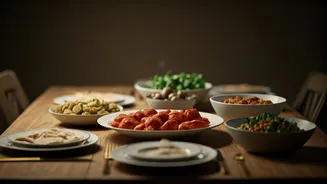
At the core of Chandanki's unique social fabric lies its meticulously managed communal kitchen and dining hall. This central hub operates with remarkable efficiency, preparing comforting, familiar Gujarati cuisine daily. The menu features beloved staples like khichdi, roti, sabzi, and chaas, ensuring residents enjoy nutritious, home-style meals without the burden of preparation. For a modest monthly fee of approximately ₹2,000 per person, villagers receive two nourishing meals daily, a cost-effective and sustainable arrangement. Hired cooks, earning a fixed salary of around ₹11,000 per month, manage the culinary operations. Beyond the sustenance provided, the community hall itself is a testament to thoughtful design, equipped with air conditioning powered by solar energy, offering a modern yet rooted ambiance. More importantly, it functions as a vital social sanctuary. As individuals share tables, conversations flow freely, creating a safe haven where women discuss family matters, elders reminisce about the past, and friends share jokes. This collective dining experience actively counters the isolation prevalent in many modern societies, where meals are often consumed in solitude.
Overcoming Initial Doubts
The implementation of Chandanki's communal kitchen was not without its challenges. When the idea was first introduced, many villagers expressed skepticism. Concerns ranged from the perceived impersonality of shared dining to the potential loss of the personal satisfaction derived from home cooking, alongside a general resistance to significant change. However, through consistent effort and the evident benefits, the community gradually embraced the concept. Elderly residents, in particular, found immense relief from the daily demands of cooking, freeing up their time and energy for rest and social interaction. The dining hall evolved from a mere eating space into a crucial center for belonging, where the warmth and camaraderie of home life were palpable. While the act of cooking shifted from individual homes to a shared facility, the essence of home—characterized by laughter, mutual concern, shared experiences, and small celebrations—found a new, vibrant expression within the communal hall.
Why Chandanki Matters Today
The significance of Chandanki's community kitchen extends far beyond its village borders, having even garnered recognition from Prime Minister Narendra Modi on his 'Mann Ki Baat' radio program as an exemplary model of collective responsibility. This initiative serves as a profound reminder of the power of prioritizing human connection and collective well-being over rigid routines. By establishing a shared culinary space, Chandanki has not only alleviated the pervasive issue of loneliness but has also successfully revitalized a sense of shared care and mutual support within the community. It demonstrates a compelling alternative to solitary dining, proving that meals can be catalysts for social interaction and integral components of a thriving social life. The ₹2,000 monthly fee is more than just payment for food; it represents an investment in social cohesion and emotional support. Similarly, the central kitchen symbolizes dignity and well-being, especially for the elderly, ensuring they can age with companionship rather than isolation. This model underscores the fundamental human need for strong community ties and social relationships as essential elements for happiness, lower anxiety, and improved mental and physical health, offering a gentle yet powerful blueprint for fostering connection in our increasingly fragmented world.