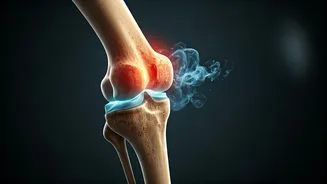







Understanding RA Basics
Rheumatoid Arthritis (RA) presents a spectrum of severity, from mild to severe, with symptoms that differ significantly among individuals. The progression
of RA is often described in stages, helping to provide a framework for understanding its impact. Early diagnosis and awareness of these stages are crucial for effective management. Treatment options are diverse, aiming to control inflammation, alleviate pain, and prevent further joint damage. It's vital to explore these treatments comprehensively to slow disease progression and maintain quality of life. Furthermore, understanding the potential long-term consequences of untreated RA, such as chronic joint damage and even heart issues, underscores the importance of seeking timely medical attention and adhering to prescribed regimens. This foundational knowledge empowers individuals to take a proactive stance in their RA journey.
Treatment Pathways Explored
When managing Rheumatoid Arthritis (RA), a multifaceted approach to treatment is essential. The primary goal is to control the inflammation that characterizes the disease, thereby reducing pain and slowing down or halting the progression of joint damage. Various classes of medications are available, including disease-modifying antirheumatic drugs (DMARDs) and biologic agents, which work to suppress the immune system's overactivity. Beyond medication, surgical interventions may be considered in cases where conservative treatments have proven insufficient to restore function or alleviate severe pain. These surgical options, such as joint replacements or synovectomy, aim to improve mobility and reduce discomfort. Additionally, strategies for managing chronic pain, a persistent symptom for many with advanced RA, are critical. These can involve a combination of pharmacological and non-pharmacological methods, including physical therapy and lifestyle modifications, to enhance daily functioning and overall well-being.
Conquering RA Flares
Rheumatoid Arthritis (RA) flares, characterized by a sudden intensification of symptoms like pain, swelling, and fatigue, can be deeply disruptive. Recognizing the early signs of an impending flare is the first step toward effective management and prevention. Lifestyle factors, including diet and stress levels, can play a significant role. Certain foods have been identified as potential triggers for inflammatory responses, and modifying dietary habits, such as avoiding specific items, may help reduce flare frequency. When a flare does occur, prompt and appropriate treatment is key to regaining control. This often involves adjusting medication dosages, implementing pain relief strategies such as heat or cold therapy, and prioritizing rest. Learning to manage the intense pain associated with flares is crucial, and developing a personalized toolkit of relief techniques can make a substantial difference in navigating these challenging periods, ensuring a faster return to a more stable state.
Living Well with RA
Embracing a life with Rheumatoid Arthritis (RA) involves more than just managing symptoms; it's about actively pursuing well-being. Incorporating gentle, everyday exercises is paramount for maintaining joint flexibility, reducing pain, and combating the fatigue that often accompanies RA. Activities like stretching, swimming, and yoga can significantly improve physical function and overall comfort. Moreover, assistive devices offer invaluable support for daily tasks, making activities in the bedroom, bathroom, and kitchen more manageable and less painful. For those who travel, planning ahead is essential to ensure comfort during long journeys, such as flights. Simple strategies can make a world of difference in maintaining independence and enjoying life's experiences despite the challenges posed by RA. Addressing chronic fatigue, a common and debilitating symptom, also requires strategic planning and energy conservation techniques.
Holistic and Mental Support
Beyond conventional medical treatments, a holistic approach can greatly enhance the management of Rheumatoid Arthritis (RA). Complementary therapies, such as acupuncture and certain Ayurvedic practices, have shown promise in alleviating RA symptoms like pain and stiffness for some individuals. While essential oils may contribute to relaxation and stress reduction, their direct impact on arthritis pain requires further exploration. Occupational therapy plays a crucial role by providing adaptive strategies and tools to help individuals perform daily activities with greater ease, thereby preserving joint function and independence. Equally important is prioritizing mental well-being, as living with a chronic condition like RA can significantly impact emotional health. Addressing the psychological aspects, such as anxiety and depression, is integral to overall health and can improve coping mechanisms and resilience.