Idli: South Indian Delight
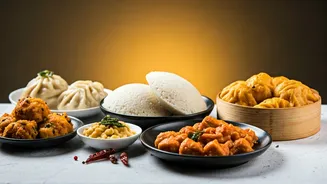
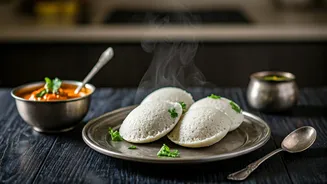
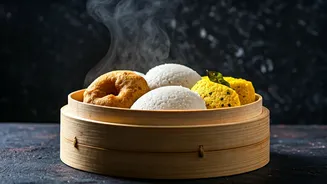
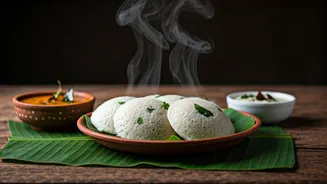
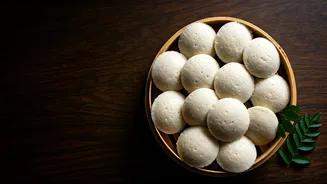
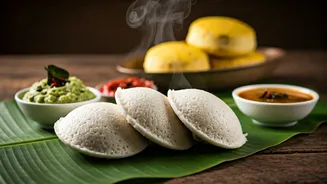
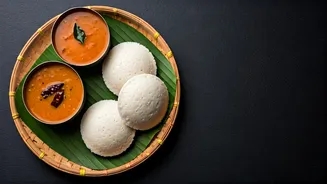
Idli, a classic South Indian breakfast, is made from fermented batter of rice and urad dal (black lentils). The fermentation process gives idli its fluffy
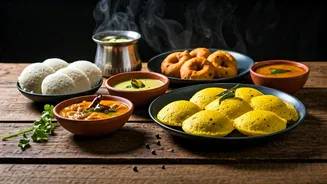
texture and also makes it easily digestible. The batter is steamed, creating soft, airy cakes that are typically served with sambar (a lentil-based vegetable stew) and coconut chutney. Idli is a nutritional powerhouse, packed with carbohydrates and proteins. This breakfast option is low in fat and gluten-free, making it a healthy choice for all age groups. It's a quick and simple meal that's perfect for a busy morning, known to be a staple across South Indian households.
Dhokla: Gujarati Treat
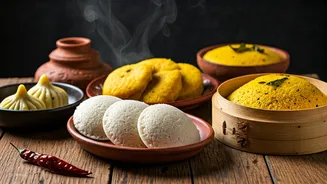
Dhokla, a savory steamed snack from Gujarat, is made from a fermented batter of rice and chickpeas (besan). The batter is seasoned with spices like ginger, green chilies, and mustard seeds, providing it with its unique taste. The fermentation process is key, as it makes dhokla light and fluffy. After steaming, it’s often tempered with mustard seeds, curry leaves, and a sprinkle of coriander. This creates a balanced dish with a blend of sweet, sour, and savory flavors. Dhokla is a good source of protein and carbohydrates, making it a filling and nutritious breakfast option, relished across the state of Gujarat.
Khaman: Another Gujarati Dish
Similar to dhokla, Khaman is another popular Gujarati steamed snack, but it is typically made using only chana dal (split chickpeas). The batter is seasoned with spices and steamed until it becomes spongy and airy. Khaman is often served with a tadka of mustard seeds, green chilies, and curry leaves. It can be garnished with fresh coriander and sev (thin chickpea flour noodles). Khaman has a slightly different texture and taste compared to dhokla, offering another delightful option for breakfast. Its quick preparation and delicious taste make it a convenient breakfast choice, appreciated for its lightness and flavor.
Puttu: Kerala’s Favorite
Puttu, a traditional breakfast from Kerala, is made by steaming cylinders of rice flour and grated coconut. The process involves alternating layers of rice flour and coconut in a special cylindrical steamer. The steam cooks the mixture, creating a soft and crumbly texture. Puttu is usually served with kadala curry (black chickpea curry) or ripe bananas, offering a delightful combination of flavors. The dish is known for its simplicity and the rich flavors derived from the rice flour and coconut. It is a very common breakfast in Kerala households, and an easy meal to make.
Idiyappam: String Hoppers
Idiyappam, also known as string hoppers, is another breakfast favorite in South India, particularly in Kerala and Tamil Nadu. These are made from rice flour dough that is pressed into thin strands and then steamed. The resulting dish is soft, delicate, and often served with a variety of curries, such as vegetable stew or egg curry. Idiyappam's mild flavor makes it versatile, perfectly complementing savory curries. It is often a key part of special occasions and everyday meals across South India, offering a light and satisfying start to the day.
Modak: Maharashtrian Sweet
Modak is a sweet dumpling popular in Maharashtra, typically associated with the festival of Ganesh Chaturthi. Though primarily considered a sweet, it can be steamed. The outer shell is made from rice flour, and the filling usually consists of grated coconut and jaggery. Steaming the modak seals in the flavors, giving a soft and tender texture. This offering is significant in Maharashtrian culture. The sweetness and soft textures of modak make them a delightful treat for breakfast or as a snack.
Momos: Himalayan Delight
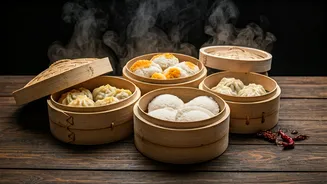
Momos, a popular dumpling from the Himalayan region, have become a favorite breakfast option in many parts of India. These dumplings are made with a wheat or all-purpose flour dough and filled with a variety of ingredients, such as vegetables or meat. The momos are then steamed, creating a juicy and flavorful treat. They are often served with a spicy chutney, enhancing the overall taste. While not traditionally Indian, momos have become a well-loved breakfast item, offering a quick and satisfying meal.
Bati: Rajasthani Staple
Bati is a traditional Rajasthani dish that is typically baked, but can be steamed. These are round, hard wheat flour balls that are steamed until they become slightly soft. The dough for bati is made with wheat flour, ghee (clarified butter), and spices. The steamed bati can be served with dal (lentil curry) and churma (sweet crumbled bread). Steaming is an alternative cooking method that helps soften the bati, giving it a slightly different texture than the traditional baked version. This makes for a hearty and filling breakfast meal, perfect for the start of a busy day.
Panki: Gujarati Pancake
Panki is a thin, steamed pancake from Gujarat, made from a batter of rice flour and spices. The batter is poured onto a banana leaf and then steamed. The banana leaf infuses the panki with a unique aroma and flavor. Panki is known for its soft, delicate texture and is often served with chutney or yogurt. It is a light and nutritious breakfast option, perfect for those who want a quick and easy meal. The use of the banana leaf is the signature aspect of this dish, making it stand out.
Thukpa: Tibetan Noodle Soup
Thukpa, a noodle soup from Tibetan cuisine, has also become a breakfast favorite in many parts of India. It involves boiling thick wheat noodles in a flavorful broth, often made with vegetables or meat. The soup is then seasoned with spices and served hot. While not exclusively steamed, it involves a steaming process. The steaming ensures the flavors integrate. Thukpa is a hearty and warming dish, making it perfect for colder mornings. It offers a combination of vegetables and noodles, providing a nutritious and satisfying breakfast.