





Fuel Costs Soar, Fares Rise
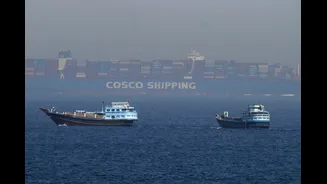
The ongoing geopolitical tensions in the Middle East have significantly disrupted global oil supply chains, particularly impacting crucial shipping lanes
like the Strait of Hormuz. This disruption has led to a sharp increase in crude oil prices. Consequently, airlines are experiencing a substantial rise in their operational expenses due to higher jet fuel costs. To offset these mounting expenses, which constitute a significant portion of their budget, carriers across Asia are increasingly passing these costs onto consumers. This translates directly into elevated airfares and the imposition of additional fuel surcharges, making flights to and within Asia notably more expensive for travelers planning their trips.
Flight Availability & Delays
Beyond the financial implications, the Middle East fuel crisis is also creating practical challenges for air travel connectivity. Airlines are reporting shortages and disruptions in fuel supply, compelling them to make difficult decisions regarding their operational schedules. This has resulted in the reduction of flight frequencies on certain routes and, in some instances, the outright cancellation of non-essential services. Vietnam Airlines, for example, has already adjusted its flight offerings due to limited jet fuel availability, prioritizing critical routes. Furthermore, the broader geopolitical situation has led to airspace issues, forcing some flights to take longer, indirect routes, which can contribute to increased travel times and the possibility of unexpected cancellations, adding an element of unpredictability to travel plans.
Destination Energy Scarcity
The ripple effects of the escalating fuel prices and supply chain constraints are extending to popular travel destinations across South and Southeast Asia. Many countries in these regions are beginning to implement energy conservation measures in response to the tightening fuel supplies and rising costs. For travelers, this could manifest in various ways: a noticeable reduction in air conditioning levels in hotels and public venues, altered operating hours for businesses such as restaurants, shopping malls, and tourist attractions, and potentially a greater emphasis on utilizing public transportation. Some areas might also experience sporadic power outages. Hospitality providers may scale back their services, including potentially reducing staff and limiting the use of energy-intensive amenities to manage costs and conserve resources.
Wider Travel Expense Increase
The impact of rising oil prices extends far beyond airline tickets, influencing the cost of various travel-related services and goods. As global oil prices climb, the expenses associated with local transportation, logistics, and the supply of goods and services within Asian economies are also escalating. This is particularly true for nations that heavily depend on Middle Eastern oil imports. Travelers can anticipate higher charges for ground transportation, including taxis and ride-sharing services, as well as increased costs for organized tours and travel between cities. Furthermore, the elevated cost of fuel and transport will likely contribute to higher prices for food and other services consumed during a trip, making the overall travel budget tighter.
Global Economic Implications
The broader economic ramifications of the Middle East fuel crisis are substantial, with potential consequences for global inflation and economic growth. International financial institutions have issued warnings about the inflationary pressures and the potential slowdown in economic activity stemming from the ongoing conflict and its impact on energy markets. Asia's economic landscape, characterized by its significant reliance on imported oil from the Middle East, makes the region particularly susceptible to these external shocks. Consequently, travel within Asia is becoming more sensitive to such geopolitical and economic disruptions. This situation underscores the interconnectedness of global events and their tangible effects on everyday activities, including planning and undertaking a holiday.