




Remembering the Tragedy
The aftermath of the Swiss fire tragedy, which happened one month ago, revealed the depth of grief and solidarity within the community. The incident prompted
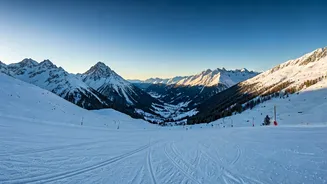
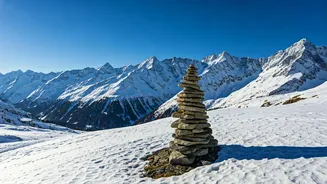
a significant response, with the region quickly coming together to honor those who lost their lives. Tributes, both large and small, appeared throughout the affected areas. These memorials included public gatherings where stories were shared, and private moments of reflection. The physical landscape, the ski slopes, and the mountain views, became the backdrop for remembrance, reminding everyone of the lives that were cut short. The community's ability to unite and support each other during this difficult time demonstrated a remarkable sense of resilience and shared humanity in the face of immense loss. This was a challenging period, but the community stood together.
Skiing Amidst Grief
In the shadow of the tragedy, the presence of skiing in the Swiss Alps took on a different meaning. The very slopes, which once celebrated joy, were now a poignant reminder of loss. Skiing became a complex mix of recreation and remembrance. Many found solace in the familiar rhythm of the sport, while also struggling with the emotional weight of recent events. The skiers and snowboarders had moments of reflection as they enjoyed their sport. The usual excitement of winter sports was somewhat muted by the underlying sorrow, creating an atmosphere where grief was acknowledged even amidst the physical activity. This created a somber atmosphere, with the community embracing each other in the face of adversity. This combination of remembrance and the pursuit of winter sports showed the human need to deal with life's highs and lows, and the resilience of the human spirit.
Healing the Wounds
One month after the fire, the process of healing was just beginning. The community faced many challenges, including the need to provide support to those directly affected, managing the physical reconstruction, and addressing the emotional scars left by the event. The local authorities and various support organizations had a key role in giving counseling and other resources to the grieving families. The physical reconstruction of the region was slow, symbolizing the gradual return to normalcy. The community's response was rooted in their shared sense of loss and their mutual resolve to assist each other during this time of need. The healing process involved honoring the past while finding pathways to move forward. The community focused on rebuilding not just the infrastructure, but also the emotional well-being of the residents, making sure that future generations would learn and remember.