






Global Economic Overview
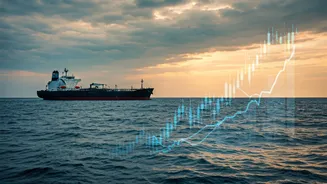
The international economic landscape heading into 2026 was marked by turbulence. Geopolitical tensions and tariffs created an unstable environment. Economic
commentators noticed how AI was transforming industries, however, the elevated valuations were viewed cautiously. China's economic model faced adjustments, necessitating a shift away from reliance on exports. This situation underscored the interconnectedness of economies and the potential for a ripple effect across global markets. The necessity of a balanced approach to trade and domestic consumption became apparent for sustainable growth. Overall, the start of 2026 was seen as a period of significant economic uncertainty, demanding strategic adaptability.
India's Economic Position
India, while showing resilience, was not entirely isolated from the worldwide economic shocks prevalent in 2026. Global challenges, including geopolitical tensions and policy changes, posed threats to India's financial stability. The country's reform trajectory presented both opportunities and challenges, with visible progress mixed with areas for improvement. Market behavior was largely dictated by reactions to shocks, but underlying structural issues posed threats to the sustained economic growth. A comprehensive approach, balancing resilience and proactive reforms, was important for navigating the global uncertainties.
Navigating Uncertainties
India's economic future required a strategic approach to managing global uncertainties and ensuring sustainable growth. It involved strengthening resilience, continuing economic reforms, and creating an environment where the markets could respond effectively. Balancing these elements was important to promote both short-term stability and long-term prosperity. An adaptable, well-informed strategy was critical for navigating the challenging economic climate.