
Yield Potential Explained
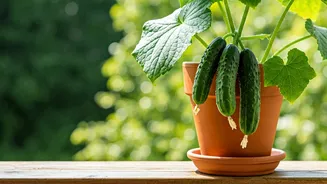
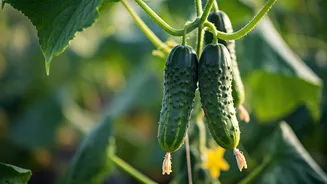
A healthy cucumber plant is surprisingly prolific, capable of producing between 15 and 30 cucumbers over its growing season. This impressive yield is not
solely down to luck; it's a result of a combination of factors including the specific variety chosen, the overall health of the plant, and the meticulous care it receives. Environmental conditions, such as weather patterns, and fundamental gardening practices like providing adequate support for climbing varieties can significantly influence how many fruits you can expect to pluck from a single vine. Understanding these variables is the first step towards cultivating a truly abundant cucumber patch that surpasses initial expectations and provides a steady supply throughout the summer months.
Variety Matters for Yield
The world of cucumbers boasts over 100 distinct varieties, each with unique characteristics that impact fruit production. These fall into three main categories: monoecious, gynoecious, and parthenocarpic. Monoecious types produce both male and female flowers; for fruit to develop, pollinators must transfer pollen from male to female blooms, and typically, 10 to 20 male flowers appear for every one female flower. Gynoecious varieties predominantly grow female flowers, which can lead to a higher initial fruiting rate, but they still require pollination, necessitating the presence of some male flowers, often achieved by planting a few monoecious plants nearby. The most prolific category is parthenocarpic cucumbers, which are remarkable because they can produce fruit without any pollination, thereby maximizing their yield potential by bypassing the need for external pollinators and reducing the chances of fruit drop.
Nutrients and Watering
Cucumbers are known as 'heavy feeders,' meaning they have a significant appetite for nutrients to support their vigorous growth and fruit production. To ensure your plants have the best chance of a high yield, consistent watering and regular fertilization are crucial throughout the growing season. It's highly recommended to begin feeding your plants weekly as soon as they start to flower, aiming for fertilizers rich in phosphorus to encourage more blooms. Once fruit begins to form, consistent moisture is paramount; irregular watering can stress the plant and affect fruit development. Maintaining optimal soil health by incorporating compost before planting also provides a steady release of essential nutrients, contributing significantly to overall plant vitality and fruit output.
Harvesting Boosts Production
The act of harvesting itself is a powerful stimulant for continued cucumber production. A plant's biological imperative when fruiting is to reproduce, and by regularly removing mature cucumbers, you signal to the plant that its current fruits have been successfully harvested. This prompts the plant to allocate its energy towards developing more flowers and subsequently, more fruits, thereby extending the harvest period. Infrequent harvesting can lead the plant to believe its reproductive cycle is complete, slowing or halting further flower and fruit development. Therefore, diligent and frequent picking of ripe cucumbers is not just about gathering your produce; it's a strategic gardening technique to encourage your cucumber vines to keep on giving.
Common Planting Pitfalls
Several common gardening mistakes can inadvertently reduce the number of cucumbers your plants produce. Insufficient space is a primary culprit; cucumber plants need room to spread their vines, and overcrowding restricts their growth and ability to flower and fruit effectively. Providing a trellis is highly beneficial, offering support and optimizing light exposure. Lack of adequate sunlight is another major issue, as cucumbers require at least eight hours of direct sun daily to thrive. Neglecting soil health is also detrimental; cucumbers need well-drained, nutrient-rich soil, so amending with compost is vital. Finally, insufficient pollinators can hinder fruit set in many varieties, making it important to attract bees and other beneficial insects by planting pollinator-friendly flowers nearby.