
Origins in Europe
Corsets first emerged in Europe during the 16th century, specifically in Spain and France. These early versions were called 'stays' and served a different
purpose than the hourglass silhouette we often associate them with today. Their primary goal was to flatten the torso, creating a rigid, cone-shaped appearance rather than accentuating curves. These early corsets were a reflection of the era's ideals, where a smooth, unbroken line from shoulders to hips was considered fashionable. The materials and construction methods also dictated their function. Stays were often made with stiff materials like wood, metal, or whalebone, which provided the necessary structure to achieve the desired shape. This early form set the stage for the corset's evolution over the centuries, as fashion trends and societal values began to shift.
Royal Fashion Influence
During the reigns of European royalty and nobility, corsets became a potent symbol of social standing and discipline. Women within the royal courts were expected to wear tightly structured corsets, as this conveyed elegance, proper posture, and membership in the upper echelons of society. The elaborate designs and the skill required to wear them, were markers of wealth and status. This made corsets an essential component of courtly attire. They were carefully crafted and customized, often adorned with luxurious fabrics, intricate embroidery, and embellishments, to signify the wearer's position in the social hierarchy. The corset, therefore, represented more than just a garment; it was a potent symbol of power, wealth, and the enforcement of social norms.
Victorian Era Transformation
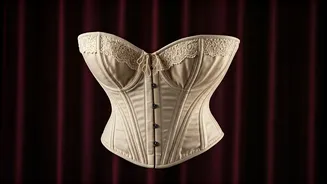
The Victorian era witnessed a significant shift in corset design. Corsets became more closely fitted and designed to create the iconic hourglass figure. This period also saw the rise of tight lacing, a practice where corsets were laced extremely tightly, often significantly reducing the waist size. This extreme emphasis on a tiny waist led to debates about women's health and the limits of their mobility. The rigid construction and tight lacing, while promoting a desired silhouette, could restrict breathing, compress internal organs, and potentially cause long-term health issues. The Victorian corset, therefore, became a powerful symbol of the era's beauty standards and the sacrifices women made to adhere to them.
Health Debates Emerge
By the late 1800s, corsets came under scrutiny from doctors and reformers who voiced concerns about their impact on women's well-being. The restrictive nature of corsets, particularly those with tight lacing, was criticised for inhibiting proper breathing and potentially displacing internal organs. This led to the emergence of the dress reform movement, which advocated for clothing that prioritized comfort and function. Reformers challenged the prevailing beauty standards that prioritized an unnaturally small waist. The movement promoted looser-fitting garments and encouraged women to question the social pressures that dictated their appearance. This growing awareness eventually contributed to a gradual shift in attitudes towards corsets and their role in women's lives.
Early 20th Century Decline
The early 20th century marked a gradual decline in the everyday use of corsets. Several factors contributed to this shift. Changing social roles for women, the emergence of the bras and girdles as alternative undergarments, and the influence of World War I all played a part. As women gained more freedom and participated in activities outside the home, the need for restrictive clothing diminished. The rise of practical alternatives like bras and girdles, offered a less constricting option. The changing fashion landscape, which favored more streamlined silhouettes, further pushed corsets towards the sidelines. This period of transition reflected the evolving values and priorities of women and society as a whole.
Corsets Today: Fashion
Today, corsets have re-emerged as a prominent element in contemporary fashion. They're frequently spotted as outerwear and statement pieces. No longer primarily worn as undergarments designed to constrict, corsets are embraced for self-expression, empowerment, and fashion experimentation. Modern corsets come in a variety of designs, from classic to avant-garde. They are worn with jeans, skirts, and dresses. This transformation demonstrates how fashion can be influenced by historical artifacts. The corset's enduring appeal showcases its adaptable nature and its capacity to symbolize different cultural and personal ideas. The corset’s contemporary role represents a liberation from its historical limitations.