





Exposed Floor Space
A prevalent issue contributing to a sterile atmosphere is the excessive display of bare flooring. As more people opt for hard surfaces like wood or laminate
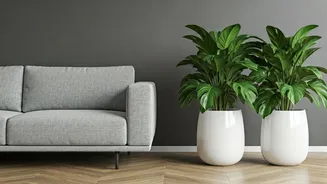
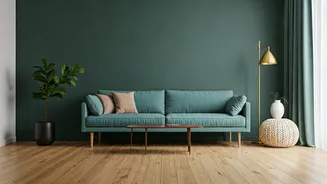
over carpeting, it's crucial to balance this with elements that add warmth and texture. Designers emphasize that too much unprotected floor can make a room feel stark and unwelcoming. This problem often stems from a combination of sparse furniture arrangements and the use of rugs that are disproportionately small for the space they occupy. To counteract this, it's essential to carefully consider the overall dimensions of a room when selecting furniture and, critically, to choose rugs that are adequately sized to anchor the space and provide a sense of coziness. A well-chosen rug can define an area and introduce a much-needed tactile element, preventing the room from feeling cold and unfinished.
Matching Furniture Sets
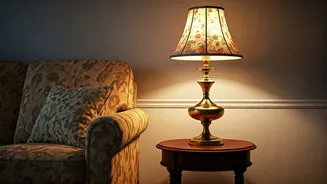
Creating a lived-in, welcoming environment often means embracing pieces that suggest a history of thoughtful collection rather than a direct purchase from a catalog. Designers often find that homes filled with perfectly matched furniture sets can appear uninspired and sterile, akin to a showroom display. This uniformity, where upholstery styles or end tables are identical, can detract from the warmth and personality of a space. Instead, professionals advocate for a more eclectic approach. Mixing and matching side tables, and selecting unique lounge chairs that complement rather than directly match a sofa, can inject character and a sense of curated style. This deliberate eclecticism results in a more personal, inviting, and sophisticated ambiance that feels genuinely lived-in.
Single Light Source
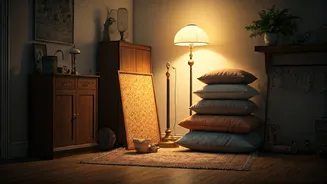
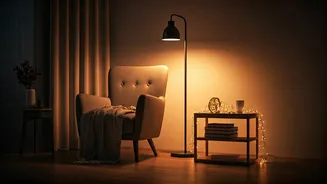
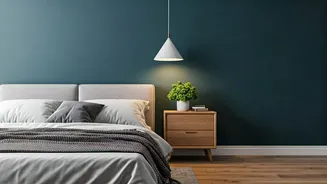
The effectiveness of artificial lighting plays a significant role in how inviting a home feels, especially when natural light diminishes. A common pitfall is relying on just one primary light source to illuminate an entire room, which can lead to a flat and unwelcoming atmosphere. Experts suggest that this singular source, whether it's a central chandelier or a solitary floor lamp, can severely undermine the intended ambiance. To achieve a cohesive and warm environment, layering lighting is key. Incorporating a variety of fixtures—such as ceiling lights, table lamps, floor lamps, wall sconces, and under-cabinet lighting—strategically placed throughout the space, can create a more nuanced and inviting glow. Overly cold or intrusive lighting, particularly recessed fixtures that can appear like polka dots on the ceiling and emit a sterile, consistent light reminiscent of a boardroom, should be avoided.
Crowded Entryway Table
While tradition often dictates placing a table in an entryway to offer a sense of welcome, designers caution that this can sometimes have the opposite effect, leading to feelings of claustrophobia and unease for guests upon arrival. In certain foyers or hallways, adding a console or central table might actually impede the natural flow of the space, filling an area that doesn't require additional furniture. The key consideration here is the actual necessity and proportion of furniture within the entryway. Before adding a table, it's important to assess the available space and ensure that any piece introduced enhances, rather than detracts from, the sense of openness and ease of movement, allowing guests to enter the home comfortably.
Busy Patterns & Colors
In an effort to steer clear of a minimalist aesthetic that might feel too stark, some homeowners inadvertently create spaces that are overly complex and visually overwhelming. Designers point out that while the intention might be to add interest, an excessive use of clashing colors, varied textures, and busy patterns can make a room feel chaotic rather than calming. Spaces in our homes are intended to be sanctuaries, places that promote relaxation and well-being, and the choices made in decorating directly influence this. To achieve a balanced and serene environment, it's crucial to intersperse vibrant patterns and diverse textures with ample neutral elements. These grounding neutrals help to create visual harmony and prevent the space from becoming visually cluttered, ensuring a more tranquil and inviting atmosphere.