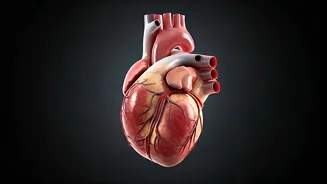







Understanding SVT Basics
Supraventricular tachycardia (SVT) is a condition marked by a sudden, rapid increase in heart rate. This can occur during exercise, at rest, or unexpectedly.
Doctors have identified SVT, which often causes the heart to beat at a rate between 150–170 beats per minute (bpm). It's crucial to distinguish SVT from a normal elevated heart rate, which is common during physical exertion. This distinction is vital for understanding the underlying cause and determining the appropriate course of action.
Spotting the Symptoms
Identifying SVT involves recognizing the specific symptoms that differentiate it from a typical increase in heart rate. The abrupt onset of a rapid heartbeat is a key indicator. Along with this, individuals might experience additional symptoms such as palpitations, feeling lightheaded or dizzy, shortness of breath, or chest discomfort. The presence of these symptoms, especially when combined with a heart rate of 150–170 bpm, should prompt an evaluation by a medical professional. Prompt recognition and diagnosis are essential for appropriate management.
Differentiating & Diagnosis
Distinguishing SVT from a normal elevated heart rate is critical for diagnosis. A normal heart rate increases in response to physical activity, but SVT presents a distinct pattern. The sudden onset and the rapid heart rate, often exceeding the expected increase from exercise, should raise suspicion. If an individual experiences these symptoms, it's recommended to consult a doctor. Medical professionals might recommend tests to understand the underlying cause. Common tests may include an electrocardiogram (ECG) to monitor the heart's electrical activity, which is crucial in diagnosing SVT, along with other evaluations based on the individual's symptoms and medical history.
What to Do Next
When a person suspects they may be experiencing SVT, it's essential to take appropriate actions. Immediate medical consultation is the most important step. A doctor can conduct tests to confirm the diagnosis and determine the appropriate treatment plan. The treatment options vary, depending on the severity and frequency of the episodes. Possible treatments may include medications to control heart rate, or in some cases, procedures such as catheter ablation, designed to correct the irregular heart rhythm. Seeking medical attention will ensure that the condition is managed effectively, preventing potential complications and improving overall well-being.