





The Peril of Fake Mangoes
As the king of fruits graces markets, a dark side emerges: artificially ripened mangoes. Some vendors resort to methods like calcium carbide to hasten
ripening and meet demand, often at the cost of consumer health. This chemical, when exposed to moisture, releases gases that mimic natural ripening but contain dangerous impurities like arsenic and phosphorus, as warned by the FSSAI. These toxins can lead to a host of health issues, making it crucial to discern the genuine from the counterfeit to safeguard your well-being during mango season.
Unmasking Artificially Ripe Fruit
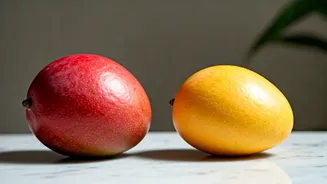
Identifying chemically ripened mangoes involves a keen observation of several sensory details. Firstly, the colour can be a giveaway; an unnaturally uniform, vibrant yellow across the entire fruit, or a peculiar shine, might indicate artificial treatment. Naturally ripened mangoes often display a patchwork of yellow and green hues. Secondly, the aroma is a significant indicator. A genuine mango possesses a sweet, distinct fruity fragrance, particularly around the stem. Conversely, artificially ripened fruits may lack this aroma or emit a faint chemical odour. Finally, the texture of the flesh provides further clues. If the outside feels soft yet the inside appears pale, rubbery, or unevenly developed, it's likely been artificially ripened. Naturally ripened mangoes boast a consistent, rich pulp and a deeper sweetness throughout.
Safety Checks and Home Ripening
Beyond visual and olfactory cues, there are additional measures to ensure your mangoes are safe. A simple yet effective practice recommended by authorities like FSSAI is to soak mangoes in water for a few hours before consumption. This helps to wash away any potential chemical residues. For ultimate peace of mind, consider purchasing raw mangoes and allowing them to ripen naturally at home; this traditional method is both safer and more rewarding. FSSAI also suggests a 'Strip Paper Test': place a moist indicator strip alongside mangoes in a sealed container. A rapid change in the strip's colour indicates artificial ripening, signaling that the fruit has been treated with chemicals.
Your Role as a Consumer
Navigating the mango market requires conscious effort from consumers to ensure they are purchasing safe and naturally ripened fruit. Opt for vendors you trust and be wary of mangoes that appear excessively polished or unnervingly identical in size and colour. Always make it a habit to wash and thoroughly soak all fruits, including mangoes, before eating them to eliminate any surface contaminants. Embracing the practice of buying raw mangoes and ripening them at home is another excellent strategy to guarantee the quality and safety of your fruit. By exercising vigilance and following these simple yet effective tips, you can confidently enjoy the sweet, juicy delights of the mango season without compromising your health.