



The Drainage Dilemma
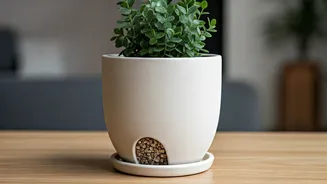
Many plant enthusiasts adore decorative planters, but the absence of a drainage hole often presents a significant challenge. While it might seem like a minor
detail, a lack of drainage can be detrimental to a plant's well-being. Without an outlet for excess water, the soil remains saturated, creating an environment where roots are deprived of oxygen and become susceptible to rot. This condition, known as root rot, transforms firm, white roots into a mushy, brown, and potentially foul-smelling mess. Furthermore, the constant moisture can lead to an accumulation of minerals, particularly if tap water is used, as these elements aren't flushed away. Garden experts emphasize that this lack of proper water management essentially 'starves' the plant, hindering its ability to absorb essential nutrients and leading to overall decline. Therefore, the initial premise is that using a planter without any drainage is generally not advisable for optimal plant health.
Smart Solutions for Hole-less Pots
Fortunately, the aesthetic appeal of planters without drainage holes doesn't mean you have to forgo them. One of the most highly recommended strategies is a technique called 'double potting.' This involves keeping the plant in its original nursery container, complete with drainage holes, and then placing that container inside your chosen decorative planter. This simple method allows you to enjoy your stylish pot while ensuring your plant has adequate drainage. It also offers flexibility, making it easy to swap out exterior planters to match seasonal decor or simply update your style. An added benefit, especially for larger decorative containers, is the ability to house multiple plants with varying watering needs. By keeping each plant in its own nursery pot within the larger decorative one, you can manage their individual drainage requirements more effectively, preventing any one plant from sitting in excess water. It's crucial, however, to regularly check that the inner pot liners never stand in water.
DIY Drainage Solutions
For those who are committed to planting directly into a decorative planter that lacks drainage, or if you've inherited a potted plant in such a container, there are alternative approaches. One direct solution is to create your own drainage by drilling holes into the bottom of the planter. This is a relatively straightforward DIY project, particularly for wooden containers. For ceramic or terracotta pots, extra caution is needed to prevent cracking or breaking. Experts advise using a drill bit and, importantly, reversing the drilling direction (as if unscrewing) while proceeding slowly. This gentle approach helps avoid chipping or damaging the material. Always double-check if your planter has pre-marked spots for drainage that just need to be punched out. If direct planting is the chosen route and drilling isn't feasible, an alternative for experienced plant parents is to water the plant in a sink, allowing excess water to drain completely for several minutes before returning it to its decorative home. This method is best suited for plants that tolerate consistently moist conditions, such as milkweed or Iris versicolor.