



Noodle Nirvana
Noodles form the backbone of many beloved Chinese dishes, and the vegetarian versions are no exception, offering a symphony of textures and tastes. Consider
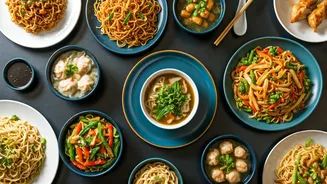
the classic Vegetable Chow Mein, where noodles are stir-fried with a medley of colorful vegetables like carrots, bell peppers, cabbage, and snap peas. Seasoned with soy sauce, sesame oil, and a touch of ginger, this dish delivers a savory, satisfying experience. Another option is the flavorful Singapore Noodles, featuring thin rice vermicelli, curry powder, and a vibrant combination of vegetables and tofu or tempeh. The subtle heat from the curry blends harmoniously with the sweetness of the vegetables. Don't overlook the simple yet elegant Lo Mein, which allows the quality of fresh noodles and vibrant vegetables to truly shine. These noodle dishes are incredibly versatile; feel free to add different sauces, chili oil, or a scattering of toasted sesame seeds for added depth.
Veggie Dumpling Delights
Chinese dumplings, known as 'jiaozi,' are a delightful treat. For a vegetarian version, the filling can be prepared using a wide range of vegetables, such as cabbage, mushrooms, carrots, and water chestnuts, all finely chopped and seasoned with ginger, garlic, and soy sauce. The art of folding the dumpling is equally important. There are various techniques, from the simple crescent shape to more intricate pleats. Dumplings can be boiled, steamed, or pan-fried. Boiled dumplings offer a soft texture, ideal for dipping into a mixture of soy sauce and vinegar. Steamed dumplings are equally delicate, and a great way to retain the natural flavors of the vegetables. Pan-fried dumplings develop a crispy bottom, creating a delightful contrast with the tender filling. Regardless of the cooking method, dumplings are best enjoyed hot and often accompanied by a savory dipping sauce.
Tofu Temptations
Tofu is a protein powerhouse that adapts wonderfully to various Chinese dishes. One popular preparation is Mapo Tofu, in which silken tofu is simmered in a spicy, flavorful sauce made with fermented black beans, chili bean paste, and a blend of aromatic spices. The soft, delicate tofu absorbs the sauce's flavors, creating an unforgettable experience. Another tempting dish is General Tso's Tofu, a vegetarian take on the classic General Tso's Chicken. Crispy fried tofu is coated in a sweet, tangy, and slightly spicy sauce, a perfect balance of flavors and textures. For a simpler, yet equally delicious preparation, try tofu stir-fries. Cube firm tofu and stir-fry it with an array of vegetables, such as broccoli, snow peas, and bell peppers, in a flavorful sauce. This is a quick and easy dish. Be sure to experiment with different sauces, from sweet and sour to spicy garlic.
Vegetable Stir-Fry Wonders
Vegetable stir-fries are a staple in Chinese vegetarian cuisine, offering a chance to showcase fresh, seasonal produce. Start with a selection of vegetables like broccoli florets, sliced carrots, snap peas, mushrooms, and bell peppers. These vegetables offer a diverse set of flavors and textures. The key to a great stir-fry lies in the high-heat cooking and the careful balance of flavors in the sauce. A well-seasoned wok is essential for achieving the perfect sear and caramelization of the vegetables. Common sauces include a mixture of soy sauce, oyster sauce (or mushroom sauce for vegetarian options), sesame oil, and a touch of sugar or cornstarch to thicken the sauce. Stir-fries are versatile and easy to customize. Feel free to incorporate your favorite vegetables, add different herbs and spices, or experiment with various sauces to discover your favorite combinations. Serve stir-fries with steamed rice or noodles for a complete meal.
Rice Dish Delights
Rice is another core element in the Chinese diet and can be prepared in many satisfying vegetarian ways. Vegetable Fried Rice is an excellent way to incorporate leftover rice, combined with scrambled eggs (optional), a variety of vegetables (peas, carrots, corn, etc.), and soy sauce for flavor. The rice gains a slightly smoky flavor. Another classic is Mushroom Rice, where rice is cooked with flavorful mushrooms, such as shiitake or oyster mushrooms, offering a rich and earthy taste. A simple, yet satisfying, rice dish can be prepared by steaming rice alongside vegetables such as baby bok choy or chopped greens. This preserves the freshness of the vegetables. Serve your rice dishes with a flavorful stir-fry or a side of dumplings for a complete and fulfilling meal.
Soup Kitchen Essentials
Soups are integral to the Chinese culinary experience, providing comfort and a depth of flavor. Hot and Sour Soup is a favorite; it's a spicy and tangy soup with ingredients such as wood ear mushrooms, tofu, and bamboo shoots, creating a complex taste profile. For a lighter soup, try Vegetable Noodle Soup, which combines noodles with various vegetables, herbs, and broth. Adding fresh ginger or garlic will improve the flavor. Wonton Soup, while often meat-based, can be made vegetarian by using vegetable-filled wontons in a flavorful broth. This creates a satisfying, hearty soup, perfect for cold days. Soup often provides a wonderful complement to a more substantial meal, offering warmth and enhancing the dining experience.
Side Dish Sensations
Alongside the main dishes, Chinese cuisine offers an array of delightful side dishes. Consider Spring Rolls; these crispy rolls are filled with a mix of shredded vegetables (cabbage, carrots, etc.) and served with a dipping sauce. They provide a delightful textural contrast. Another option is Sautéed Bok Choy with Garlic. The gentle bitterness of bok choy complements the garlic, making for a quick yet flavorful side dish. Cucumber Salad is another cooling option, often dressed with vinegar, sesame oil, and a touch of sugar. These side dishes add variety to the meal and are an easy way to incorporate additional flavors and textures.
Sweet Endings
Chinese cuisine has its share of sweet treats. Many vegetarian options complement the savory dishes. For instance, the classic Fried Sesame Balls, known as 'jian dui,' are made from glutinous rice flour and filled with sweet bean paste. The sesame seeds lend a delightful crunch. Another popular choice is Mango Pudding, a creamy dessert made with fresh mango, often served chilled. These desserts offer a satisfying conclusion to any meal, providing a refreshing and sweet balance to the savory flavors.
Spice Level Variations
One of the highlights of Chinese vegetarian cooking is the use of spices to enhance the flavors. Different regions have unique approaches to the use of spices, resulting in a wide variety of tastes. Sichuan cuisine is known for its fiery and numbing flavors, making generous use of chili peppers and Sichuan peppercorns. Hunan cuisine adds a balance of spicy and sour notes. For those who prefer milder flavors, adding just a touch of chili flakes or ginger is an excellent way to enhance dishes. Always adjust spice levels based on your preferences; it is important to taste and adjust seasonings during cooking. When using chili peppers, remember to be mindful of the heat level and use a small amount at first.
Ingredient Insights
Understanding key ingredients makes cooking Chinese vegetarian dishes easier. Soy sauce is used to add savory depth to dishes; use a low-sodium version. Sesame oil provides a nutty aroma and flavor. Mushrooms are a versatile ingredient; use shiitake or oyster mushrooms for rich flavors. Tofu is a great source of protein. Different types of tofu create various textures in different recipes. Ginger and garlic are essential aromatics. Fresh ginger and garlic enhance the flavors of the dish. Vegetables are the core; use fresh, seasonal produce for the best taste. These ingredients, combined with your creativity, will help you master Chinese vegetarian cuisine.
Recipe Adaptations
Embracing adaptability is key. Many traditional meat-based Chinese recipes can be creatively adapted to vegetarian versions without sacrificing flavor or authenticity. For example, in dishes with sauces, meat can be easily replaced with tofu, tempeh, or mushrooms. The flavor profiles remain much the same. In stir-fries or other dishes, increase the vegetable portions. Add more of your favorite vegetables to compensate for any lack of meat. Explore different herbs, spices, and sauces to enhance the flavor. Substitute meat-based broths with vegetable broth, and consider using vegetarian oyster sauce or mushroom-based seasoning for added flavor. Do not be afraid to experiment with new ingredients.
Cooking Equipment
Some equipment is useful for cooking Chinese vegetarian dishes. A wok is great for stir-frying because it heats quickly and evenly. A good wok allows for high-heat cooking, which is crucial for stir-fries. A steamer is ideal for dumplings and vegetables. The steamer helps maintain textures and preserve nutrients. A cutting board and chef's knife are essential tools. A sharp knife makes chopping and preparing ingredients easier. Measuring cups and spoons are important. Accurate measurements are crucial for flavor and texture. Consider investing in a bamboo steamer for cooking various Asian dishes. With the right tools and a little bit of practice, you can easily prepare authentic Chinese vegetarian food.
Meal Planning
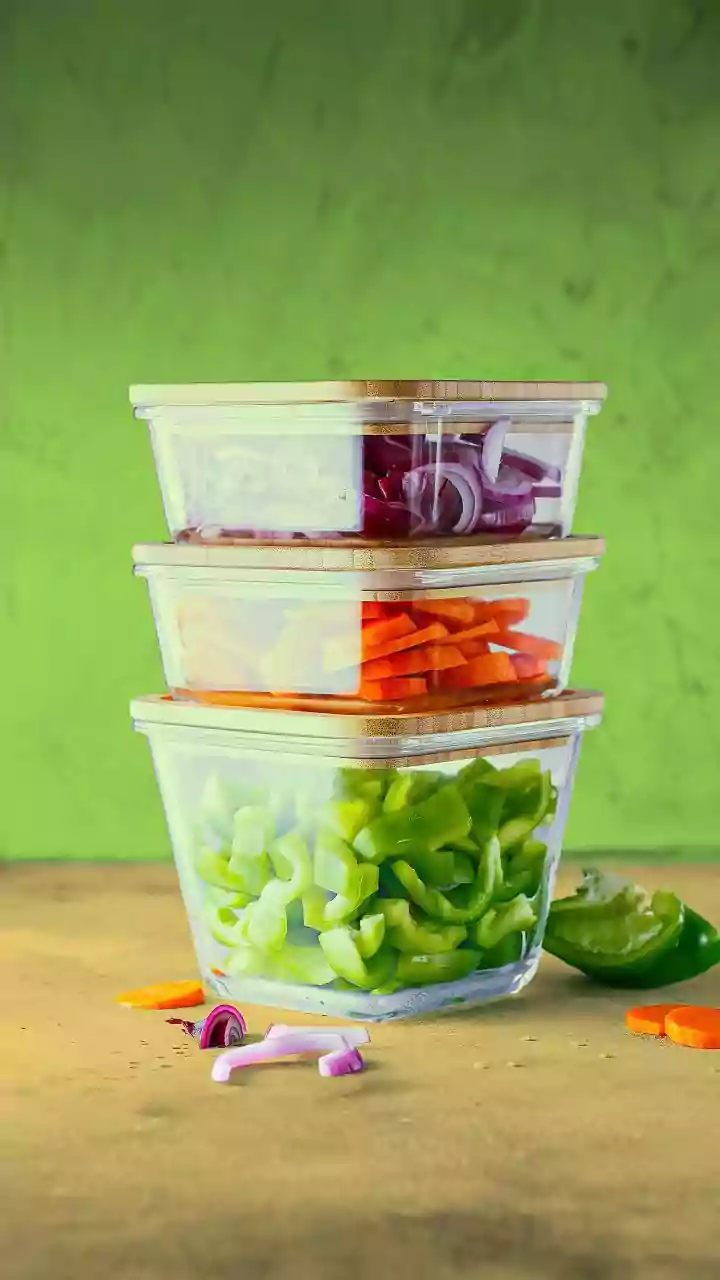
Meal planning simplifies cooking delicious meals during the week. First, browse the recipes and pick dishes. Create a list of the required ingredients. Shop for fresh vegetables and other ingredients. Prep vegetables beforehand for quick meal preparation. Pre-chop vegetables and store them in containers in the refrigerator. Cook in batches. Consider making large batches of rice or sauces. Assemble the meals. Arrange the various components of the meal, such as noodles, vegetables, and tofu, to ensure a balanced meal. Meal planning offers convenience and efficiency while allowing you to enjoy delicious and healthy meals.
Authentic Techniques
Learn basic cooking techniques to elevate your Chinese vegetarian cooking skills. Stir-frying is a foundational skill. It includes high-heat cooking with rapid tossing. Sautéing is another technique, suitable for cooking vegetables and tofu. Steaming is excellent for retaining texture and nutrients. Deep-frying creates crispy textures. It is important to control the oil's temperature. Braising can develop complex flavors. It involves slow cooking in a flavorful liquid. Mastering these techniques will enhance your culinary journey. Focus on correct techniques for consistent, successful outcomes, and always practice to perfect your approach.
Serving Suggestions
The presentation adds to the enjoyment of your food. Serve dishes in a visually appealing way. Use beautiful serving dishes. Add decorative garnishes for visual appeal. Consider presentation when deciding on the placement of dishes on the table. Offer complementary dishes. Pair dishes to enhance the dining experience. For instance, pair spicy dishes with something cool. Create a balanced meal, with a balance of textures and flavors. Prepare all elements, and make sure that you consider all of the details. Serving suggestions are key to ensuring that you create a pleasurable and complete dining experience.