




The Ube Phenomenon
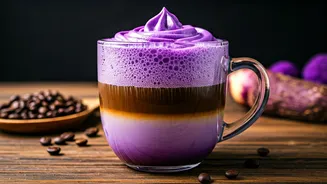
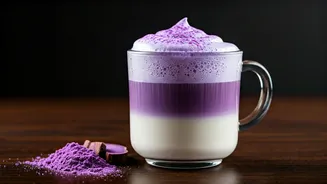
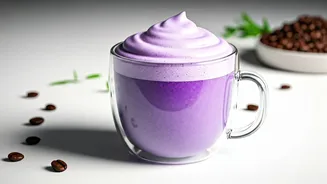
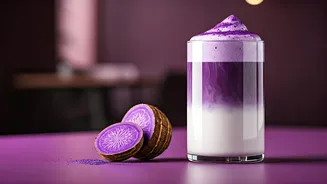
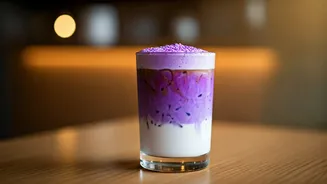
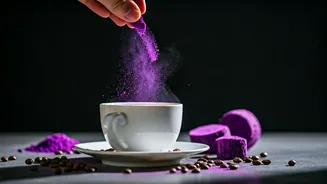
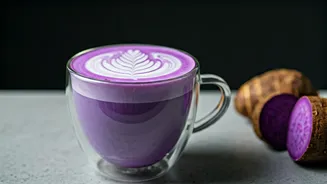
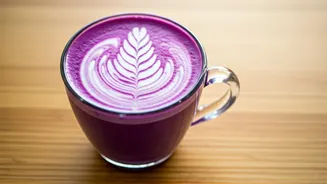
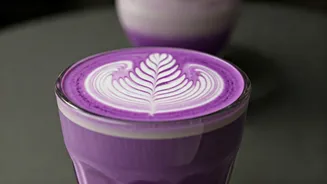
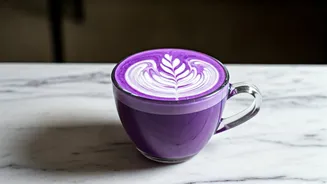
Social media is abuzz with the captivating sight of ube coffee, transforming from a beloved Filipino ingredient into a global café sensation. Ube, a vibrant
purple yam, is celebrated for its natural sweetness, distinctive earthy flavour, and luxuriously creamy texture. Traditionally gracing desserts like halaya, ice cream, and cakes, this versatile root vegetable has now infused the coffee world, birthing aesthetically pleasing, photogenic purple concoctions that are captivating palates and Instagram feeds alike. This surge in popularity prompts a crucial question: is this visually stunning drink more than just a fleeting trend, and does it offer genuine health advantages beyond its striking appearance?
Nutritional Snapshot
While ube boasts natural compounds beneficial for health, it's important to view it realistically. Dietician Dt Komal Malik notes that ube contributes fibre and antioxidants, which can positively impact digestion and overall well-being. However, she emphasizes that the current viral appeal is largely fueled by its distinctive colour and extensive social media promotion. Ube isn't a miraculous superfood; it offers some nutritional value in moderate amounts, but its role as a health booster should not be overstated. The key takeaway is that while it contains beneficial elements, its health impact is significantly influenced by how it's incorporated into a beverage.
Healthier Than Flavored Coffee?
The question of whether ube coffee surpasses regular flavoured coffee in terms of health hinges entirely on its preparation. Dt. Malik suggests that a simply made ube coffee, utilizing real ube, can indeed be a healthier alternative due to the inherent fibre and antioxidants present in the yam. The real concern arises when cafés transform ube coffee into a dessert-like indulgence. The addition of excessive sugar, calorie-laden syrups, and rich creams can negate any natural benefits, rendering it no healthier than conventional sugary coffee drinks. Therefore, the perceived healthiness is directly proportional to the ingredients and methods employed in its creation.
Diabetes and Ube Coffee
The natural sweetness of ube might lead some to believe it's automatically suitable for individuals managing diabetes, but this assumption is misleading. Dt. Malik clarifies that the safety and health impact depend on the final composition of the drink, not solely on the ube ingredient itself. Consuming ube coffee in moderation is advised, as the addition of sugar, cream, and milk can significantly elevate calorie counts and blood sugar levels. For those monitoring their weight or managing diabetes, both portion control and ingredient awareness are paramount. Opting for low-sugar versions and being mindful of serving sizes are essential recommendations.
Ube vs. Matcha
When comparing ube coffee to another popular wellness beverage, matcha, the latter generally holds a stronger nutritional edge. Dt. Malik indicates that matcha possesses more scientifically substantiated health benefits, being abundant in antioxidants and potentially aiding metabolism. While ube does offer beneficial fibre and some antioxidants, its health advantages are considered less pronounced than those of matcha. In a direct comparison, matcha emerges as the slightly superior choice from a health perspective, offering a more robust profile of scientifically recognized wellness properties.