



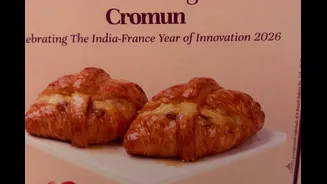

The Unlikely Pairing
A surprising new culinary fusion has emerged, bringing together two distinct culinary worlds: the beloved Indian dessert, gulab jamun, and the classic
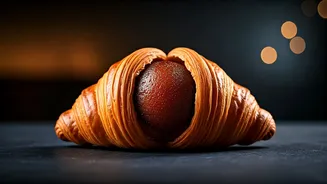
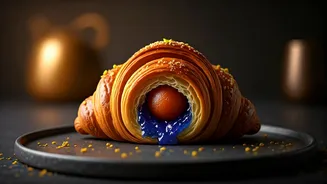
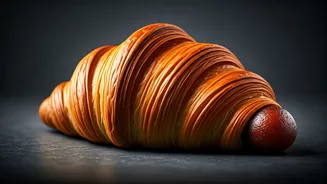
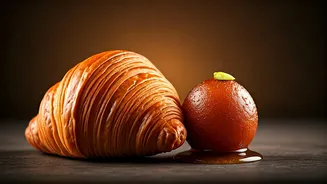
French pastry, the croissant. This innovative creation, playfully christened the 'cromun', has quickly become a viral sensation, igniting fervent discussions across social media platforms. The concept involves encasing or integrating the soft, syrup-soaked spheres of gulab jamun within the delicate layers of a flaky croissant. While the idea aims to blend familiar flavors in an unexpected way, it has polarized opinions, leading to a wide spectrum of responses from intrigued individuals eager to taste this novel combination to those who view it as a culinary misstep. This fusion is not just another dessert trend; it represents a bold experiment in combining cultural staples. The inherent contrast between the rich, syrupy sweetness of gulab jamun and the buttery, airy texture of a croissant presents a unique sensory experience. The conversation surrounding the 'cromun' highlights a broader fascination with fusion cuisine, where traditional recipes are reimagined for a contemporary palate. However, as with many such culinary experiments, the 'cromun' has found itself at the center of a passionate debate, with strong opinions being voiced about its very existence.
A Viral Sensation
The viral buzz surrounding the 'cromun' originated from a post on X (formerly Twitter) by user @Patralekha2011. She shared her encounter with this peculiar dessert found in her locality, describing it as "A croissant with GulabJamun inside !!!!" Her initial tasting experience revealed it to be "sweet, spongy, but not the quintessential gulab jamun." She candidly admitted her bias, favoring the classic croissant, and concluded that the 'cromun' was "not quite croissant, not quite gulab jamun." This candid review quickly captured the attention of the online community, triggering an avalanche of comments and opinions. The post became a catalyst, transforming a local curiosity into a widespread internet phenomenon. Following this initial share, the internet erupted with a diverse range of reactions. Many users expressed shock and disbelief, with comments like "I’m dying how could they do this!" reflecting a sentiment of outright disapproval. Conversely, a segment of the online audience displayed curiosity, posing questions such as, "Wow I’m so curious. What was the texture of the gulab jamun like inside?" This curiosity highlights an openness to new taste experiences. However, the most vocal responses often came from those who felt the fusion was a violation of culinary traditions. One particularly strong reaction stated, "The manufacturer should be sued for hurting the sentiments of the real gulabjamuns." Another expressed a preference for keeping traditions intact: "Geez. It’s supposed to be had with coffee as a bakery item in the morning. Stuff Indian sweets into desserts like macrons instead. Leave the croissant alone please." These varied reactions underscore the deeply personal connection many people have with traditional foods.
Fusion Food Debate
The 'cromun' phenomenon has reignited the ongoing debate surrounding fusion food and culinary experimentation. This latest creation serves as a prime example of how blending disparate culinary traditions can elicit strong and often conflicting emotions from the public. While some food enthusiasts actively seek out novel taste combinations and appreciate the creativity involved in such experiments, a significant portion of consumers tend to favor the preservation of traditional dishes in their original forms. Supporters of fusion cuisine often argue that it fosters innovation, introduces new flavors, and makes traditional foods accessible to a wider audience through modern interpretations. They see creations like the 'cromun' as exciting opportunities to explore uncharted culinary territory. On the other hand, traditionalists often express concern that these fusions can dilute the authenticity and cultural significance of heritage recipes. For them, the integrity of a dish is paramount, and modifications can be seen as disrespectful to the history and craftsmanship associated with it. The intense reactions to the 'cromun' highlight this fundamental divergence in culinary philosophies, demonstrating that while innovation can capture attention, it often comes at the cost of alienating those who cherish culinary heritage. The 'cromun' has undoubtedly succeeded in generating conversation, proving that even controversial food pairings can make a significant impact on the cultural landscape.