




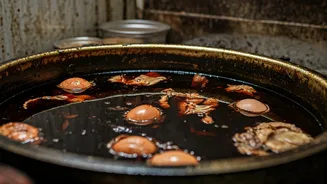

Illegal Samosa Factory Uncovered
In a significant operation, Hyderabad's Food Adulteration Surveillance Team (H-FAST) in collaboration with Kulsumpura Police successfully dismantled an unauthorized
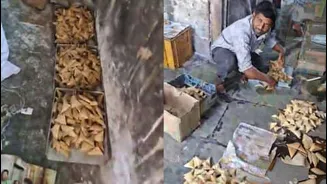
samosa production facility located in Jiyaguda. This clandestine operation was found to be running entirely without the necessary FSSAI license, Trade License, or Fire Safety clearance, a serious breach of public safety regulations. The proprietor, identified as 73-year-old Abdul Rasheed, was found to be employing highly questionable methods in his food preparation. Investigators were dismayed to discover that the entire operation was dependent on spoiled and substandard ingredients, posing a direct threat to the health of consumers who unknowingly purchased these products. The discovery underscores a prevalent issue where profit motives overshadow basic food safety and hygiene protocols, especially in rapidly expanding urban environments where demand for popular street foods like samosas is exceptionally high.
Shocking Ingredient Discovery
During the inspection of the illegal samosa unit, authorities were confronted with a truly alarming scene that pointed to severe neglect of food safety standards. Investigators meticulously documented the presence of numerous stale boiled eggs, which are a significant health risk due to potential bacterial contamination. Furthermore, cooking oil was found to have been reused multiple times, a practice that degrades its quality, potentially forms harmful compounds when heated repeatedly, and poses serious health implications for consumers. These findings clearly indicated a blatant disregard for established food safety regulations, directly endangering the well-being of the community. The conditions within the unit were described by officials as "grossly unhygienic," a stark contrast to the minimal standards expected for any food preparation environment, highlighting a critical failure in oversight and practice.
Seizure and Legal Action
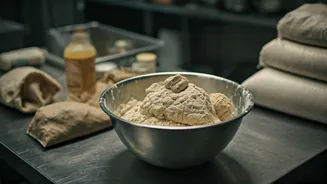
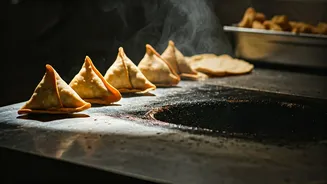
Following the discovery of the egregious violations, authorities promptly moved to secure the premises and confiscate all compromised materials and equipment. The total value of the seized contaminated items, raw ingredients, and food preparation machinery was estimated to be approximately Rs 5 lakh. The confiscated goods included a substantial quantity of various samosas ready for distribution, significant amounts of maida (all-purpose flour), sweet corn, and a range of other necessary supplies for their production. More specifically, the seizure included around 500 spoiled boiled eggs, approximately 5 kg of reused cooking oil, 350 egg samosas, 600 sweet corn samosas, and 1000 onion-filled varieties, as detailed by various news reports. In addition to the seizure of materials, the owner, Abdul Rasheed, was taken into custody. Legal proceedings have been initiated against him under the relevant food safety laws, with the case being handled at the Kulsumpura Police Station, signaling a firm stance against such dangerous food production practices.
Consumer Vigilance Encouraged
This raid serves as a critical reminder of the potential dangers lurking behind the appeal of popular street foods. The operation, spearheaded by the Task Force and Food Safety Officers, aimed to root out such hazardous food operations and protect public health. Authorities have actively encouraged citizens to remain vigilant and to report any suspected instances of unhygienic or illegal food vendors and establishments in their localities. By fostering a collaborative approach between consumers and regulatory bodies, the goal is to reinforce consumer safety as a shared responsibility. This incident underscores the importance of consumers being informed, asking questions about food preparation, and prioritizing their health and safety over convenience or perceived savings, especially when purchasing food from informal or unregulated sources.