






Citronella: The Classic Choice
Citronella stands out as a premier choice for natural mosquito deterrence, primarily due to its potent and unmistakable aroma. This scent is so effective
that it's a common ingredient in many commercial mosquito-repelling candles and products. The plant itself thrives in sunny conditions, making it an ideal addition to balconies or outdoor areas where it can flourish and contribute to a tropical aesthetic. Its presence not only serves a practical purpose in keeping mosquitoes at bay but also enhances the visual appeal of your living spaces with its lush greenery, offering a dual benefit of pest control and decorative charm.
Lavender: Fragrant Defense
Beyond its universally loved soothing fragrance, lavender possesses a remarkable ability to repel mosquitoes. This beautiful plant, with its striking purple blooms, not only pleases the eyes but also promotes a sense of calm and relaxation. Lavender plants perform best when bathed in sunlight and can be conveniently grown in pots, even placed near windowsills. Its versatility allows it to adorn balconies, gardens, and indoor spaces, offering a fragrant barrier against mosquitoes while simultaneously enhancing the aesthetic appeal of any area it occupies.
Tulsi: Aromatic Sanctuary
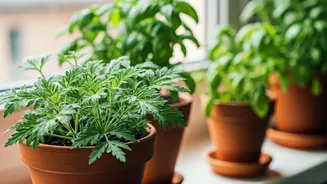
Tulsi, also known as holy basil, is a plant held in high regard in many Indian households for its cultural significance. However, its potent aromatic qualities extend beyond tradition, serving as an effective natural repellent for mosquitoes. This aromatic herb doesn't demand extensive care, thriving well in containers and tolerating partial shade. By introducing Tulsi into your home, you can enjoy its fresh, invigorating scent while benefiting from its ability to keep pesky mosquitoes at a distance, contributing to a more serene environment.
Mint: Refreshing Barrier
While mint is a beloved ingredient in refreshing beverages and culinary creations, its strong, pungent scent proves quite disagreeable to mosquitoes. This vigorous plant has a tendency to spread, and when its leaves are crushed, they release an immediate burst of invigorating freshness. Mint flourishes best under ample sunlight and requires minimal upkeep, making it an easy and effective addition to your home. Its presence not only adds a pleasant aroma to your surroundings but also acts as a natural deterrent to unwanted buzzing insects.
Marigold: Colorful Deterrent
Marigolds are primarily cultivated for their vibrant, eye-catching blooms that add a splash of color to gardens and landscapes. However, their utility goes beyond mere decoration. These cheerful flowers contain pyrethrum, a compound that is a key ingredient in many commercially produced insect repellents. Consequently, marigolds possess the natural ability to deter mosquitoes and other common garden pests, offering a beautiful and practical solution for pest management in your outdoor spaces.
Rosemary: Woody Fragrance
Rosemary, a hardy herb known for its distinct woody fragrance, is widely disliked by many insect species, including mosquitoes. It adapts well to container gardening and thrives when provided with adequate sunlight. Many people find success by burning sprigs of rosemary outdoors in the evenings to create a natural mosquito-repelling smoke. This practice, combined with the plant's inherent repellent qualities, makes it a valuable addition to your home for combating mosquito infestations.
Lemongrass: Zesty Repellent
As its name implies, lemongrass is a natural producer of citronella oils, renowned for their mosquito-repelling properties. The distinct, fresh scent of lemongrass not only helps to keep mosquitoes away but also contributes to a cleaner, more invigorating atmosphere. This plant flourishes in sunny climates and can be successfully grown in pots or directly in the ground, offering a versatile and fragrant solution for natural pest control around your home.