




The Essence of Flavor
Flavor is arguably the most crucial element in creating truly memorable dishes. It's the characteristic that entices the palate and transforms simple ingredients
into culinary delights. The skillful use of seasonings and flavorings allows cooks to enhance, balance, and build complex taste profiles. Whether it's the subtle warmth of cumin, the bright acidity of lemon zest, or the pungent kick of ginger, these additions are the building blocks of deliciousness. Understanding how different flavor compounds interact with each other and with the base ingredients is key to achieving harmonious and appealing tastes. This fundamental concept underpins all successful cooking, making the exploration of seasonings and flavorings a vital part of any chef's or home cook's repertoire. Without them, even the finest ingredients can fall flat, lacking the depth and excitement that makes food truly satisfying and enjoyable.
Spice Up Your Life
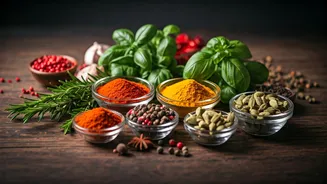
Beyond mere taste, spices offer a pathway to introducing exciting dimensions and character into your meals. The world of spices is vast, offering everything from the gentle, earthy notes of coriander and turmeric to the fiery intensity of chili peppers and black peppercorns. Each spice possesses a unique chemical makeup that contributes distinct aromas and flavors. For instance, cinnamon adds a warm, sweet fragrance, while cardamom offers a complex, aromatic sweetness with hints of citrus and mint. When cooking, consider the purpose of each spice: some are used to build a foundational flavor profile, like bay leaves in a stew, while others are added towards the end to impart a fresh burst of aroma, such as fresh cilantro in a curry. Experimenting with different spice blends can also yield incredible results, allowing you to recreate traditional dishes or invent entirely new flavor combinations. Mastering the art of spice usage means understanding their potency and how they behave under different cooking methods, ensuring they enhance rather than overpower your dishes.
Zest and Aroma
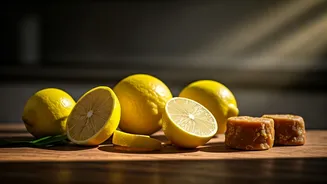
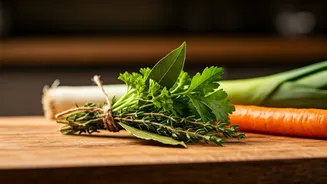
Aromatic ingredients, such as herbs and citrus zest, play an equally vital role in elevating culinary creations. Fresh herbs like basil, mint, and parsley provide bright, vibrant notes that can cut through richness or add a refreshing counterpoint. Their delicate oils are best preserved by adding them towards the end of cooking or as a garnish, retaining their vivid fragrance and flavor. Similarly, citrus zest, particularly from lemons, limes, and oranges, offers an intense burst of flavor without the acidity of the juice. The outer peel contains essential oils that impart a fragrant, zesty essence. These elements are not just about taste; they contribute significantly to the overall sensory experience of a dish, adding a layer of complexity and sophistication. Think of the fragrant lift a sprinkle of lemon zest gives to baked goods or the cooling sensation fresh mint provides in a salad. These flavor enhancers are indispensable for adding nuance and a final touch of brilliance.