






Yatra Commencement & Shrine Openings
The much-anticipated Char Dham Yatra for 2026 has officially commenced, ushering in a period of spiritual fervor across Uttarakhand. The pilgrimage routes
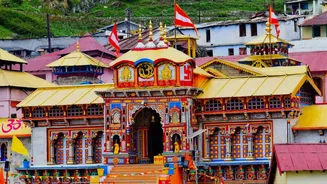
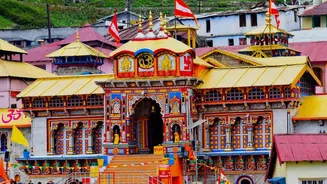
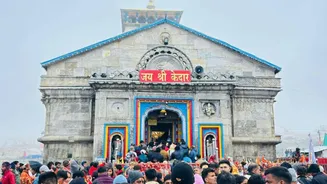
are progressively opening, marked by the commencement of darshan at the revered shrines. Yamunotri and Gangotri, dedicated to the goddesses Yamuna and Ganga respectively, opened their doors to devotees on April 19th. Following suit, Kedarnath, a vital shrine for Lord Shiva, became accessible on April 22nd. The final and perhaps most prominent shrine, Badrinath, dedicated to Lord Vishnu, is scheduled to open its gates on April 23rd. This staggered opening ensures a more managed flow of the millions of pilgrims expected to undertake this sacred journey. Authorities have implemented a more structured approach this year, prioritizing pilgrim safety, efficient crowd management, and the preservation of the serene spiritual ambiance that defines these Himalayan abodes. Preparations are in full swing, with essential services and logistical arrangements being finalized to facilitate a smooth and devout pilgrimage experience for all.
Navigating the Routes to the Shrines
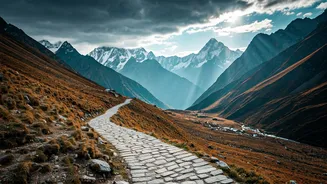
The journey to each of the Char Dham shrines presents unique challenges and accessibility options. Kedarnath, nestled at a high altitude, is not directly reachable by road, requiring pilgrims to commence their journey from Gaurikund, the last motorable point. From Gaurikund, a trek of approximately 16 to 18 kilometers leads to the revered temple. For those seeking a quicker ascent or facing mobility challenges, helicopter services are available, with bookings exclusively managed through the IRCTC portal. To address the health risks associated with high altitudes and unpredictable weather, 177 ambulances have been strategically deployed along the route, complemented by a dedicated helicopter ambulance stationed by AIIMS Rishikesh for immediate emergency medical interventions. In contrast, Badrinath offers easier access, being well-connected by road, making it a more accommodating destination for elderly pilgrims. Yamunotri necessitates a trek of about 5 to 6 kilometers from Janki Chatti, while Gangotri is directly accessible by road, ensuring less disruption to pilgrim movement. Typically, the yatra commences from Rishikesh or Haridwar, with the entire journey spanning roughly 10 to 12 days, contingent on the chosen routes and modes of transport.
New Regulations for Sanctity
This year's Char Dham Yatra is distinguished by a more rigorous set of rules, designed to enhance the sanctity and spiritual focus of the pilgrimage. To ensure an undisturbed devotional experience, mobile phones and cameras are strictly prohibited within the temple premises of Kedarnath, Badrinath, and Gangotri. Convenient cloakroom facilities are provided at the entrance of these temples for pilgrims to securely store their electronic devices. While Yamunotri remains open for all visitors, discussions and specific entry protocols for non-Hindu visitors are being considered or implemented at the other shrines. Inside the sacred sanctums, pilgrims are asked to refrain from touching idols, scriptures, or temple bells, directing their energy solely towards darshan and prayer. Maintaining discipline and a focused mindset are paramount, with these new guidelines aimed at minimizing distractions and preserving the hallowed atmosphere of these ancient spiritual sites. Adherence to these regulations is expected from all pilgrims to contribute to a more peaceful and respectful pilgrimage.
Mandatory Registration & Health Checks
For the Char Dham Yatra 2026, mandatory registration is a prerequisite for all pilgrims; without it, entry to the pilgrimage sites will not be permitted. The registration process can be conveniently completed online via the official Uttarakhand tourism portal or its dedicated mobile application. Aadhaar authentication is utilized for identity verification and for tracking pilgrim movements throughout the yatra. Upon successful registration, pilgrims receive a unique QR code or an e-pass, which is subject to verification at various checkpoints along the routes. To manage crowd flow effectively and ensure a streamlined darshan experience, fixed time slots are being allocated for pilgrims. Furthermore, a basic health check-up is now a mandatory requirement before embarking on the journey. For high-altitude routes like Kedarnath, a fitness certificate may be requested. Pilgrims aged over 55, or those with pre-existing conditions such as asthma or diabetes, are strongly advised to exercise extreme caution and consult with their physicians. General health advisories include acclimatizing properly before ascending to higher altitudes, engaging in light physical activity prior to the journey, and abstaining from alcohol and sleeping pills during the yatra.
Travel & Vehicle Guidelines
Movement along the pilgrimage routes is subject to stringent regulations aimed at preventing congestion and mitigating risks. Night travel is restricted between 10 pm and 4 am on mountain roads to ensure safety, given the challenging terrain and visibility conditions. All vehicles intending to participate in the yatra must undergo mandatory technical inspections to ensure roadworthiness before being granted access. Additionally, oversized vehicles are prohibited on narrower stretches of the routes to prevent accidents and facilitate smoother traffic flow. Depending on specific routes, vehicular permits may be required. To further streamline the process, travel plans and hotel bookings are being integrated with the pilgrim registration details. On particularly busy routes, traffic may be subject to temporary slowdowns or diversions to maintain manageable conditions and ensure the safety and convenience of all pilgrims.