








Market's Initial Reaction
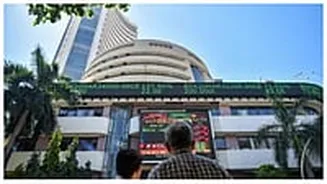
The opening of Dalal Street following the Republic Day holiday presented a less than positive picture, continuing the downward trend observed recently.
The Sensex witnessed a fall of over 400 points in early trading, while the Nifty dropped nearly 100 points. Although some recovery was seen around 9:40 am, the overall mood remained cautious. Key factors influencing this negative sentiment included the auto sector's performance, which was significantly affected by reports suggesting tariff cuts on European car imports. This, coupled with the ongoing selling by foreign institutional investors, put considerable pressure on the market. The reaction underscored how immediate concerns and adjustments in specific sectors can dominate market sentiment, even when long-term trade agreements promise positive developments.
Auto Sector's Fall
Shares of Indian car manufacturers notably declined, a primary driver behind the market's initial fall. This was directly linked to reports suggesting India might reduce import tariffs on European cars as part of the trade deal with the EU. Mahindra and Mahindra led the decline within the Nifty Auto index, which decreased by as much as 2% during the morning session. This triggered fears of increased competition within the domestic market, with investors expressing immediate concerns about the impact of potentially lower tariffs. This sector-specific downturn highlights the sensitivities around trade liberalization and the immediate impact it can have on specific industries within a broader market context.
Commodities Surge Ahead
While the stock market faltered, the commodity markets experienced significant gains. Silver and gold prices were notably high. Silver futures jumped by 6%, reaching a record high of Rs 354,780 per kg. Similarly, Indian gold futures increased, climbing over 1.7% to touch an all-time high of Rs 159,820 per 10 grams. These gains in precious metals were linked to global uncertainty and a continued search for safe-haven assets. International markets also reflected this trend, with gold exceeding $5,100 per ounce. This divergence between the stock and commodity markets highlights how different sectors react differently to global cues and economic uncertainties.
Trade Deal Impact
Despite the long-term potential of the India-EU trade deal, the initial market response was dominated by short-term concerns. The deal, described as historic by both sides, aimed to boost trade ties, especially amid global trade strains. However, anxieties around tariff reductions, specifically those related to European car imports, took precedence. While the broader implications of the deal are positive, the immediate reaction reflected a cautious approach by investors. The market's behavior shows that the pace and the nature of trade agreements are not always in sync with investor expectations. Foreign selling had a substantial impact. Foreign institutional investors sold shares worth around Rs 40,000 crore in January alone, adding further downward pressure on the markets.
Market Outlook and Factors
Market analysts and experts believe factors such as foreign selling played a vital role in market weakness. The continued selling pressure from foreign institutional investors had kept markets under pressure for several weeks. Kranthi Bathini, Director of Equity Strategy at WealthMills Securities, highlighted foreign selling as a key factor. The market’s direction remained uncertain, with analysts indicating volatility was expected throughout the day as investors reacted to details from the trade deal and global cues. The Nifty level of 25,000 was considered an important mark. Whether the index holds above this level could impact its trajectory. Failure could lead to more weakness in the near term.