






Modernization Initiative Begins
The Punjab government has given the go-ahead for a comprehensive modernization of bus terminals situated in five distinct districts. This significant endeavor
will be executed through a Public-Private Partnership (PPP) model, demonstrating a strategic approach to funding and implementation. The PPP model is designed to leverage the strengths of both public and private sectors, ensuring efficient resource allocation, accelerated project delivery, and the infusion of modern technologies and management practices. The initiative indicates the state's proactive commitment to bolstering its public transportation infrastructure, thus fostering better connectivity and convenience for the citizens. The overarching goal is to transform existing facilities into state-of-the-art hubs, equipped to meet the evolving demands of modern transportation networks.
PPP Model Explained
The utilization of a Public-Private Partnership (PPP) in this project represents a strategic move by the Punjab government. In essence, a PPP involves a collaborative arrangement between a government entity and one or more private sector companies, where both parties share responsibilities, risks, and rewards in a specific project. For this particular initiative, the government is expected to provide land and regulatory approvals, while the private partner will contribute capital investment, construction, operations, and maintenance services. This collaborative model often leads to faster project completion times due to streamlined decision-making processes, enhanced risk management practices, and an increased access to specialized expertise. Moreover, the PPP framework helps to mitigate financial risks by distributing the cost burden across both public and private entities, ensuring that financial sustainability is maintained.
Impact on Commuters
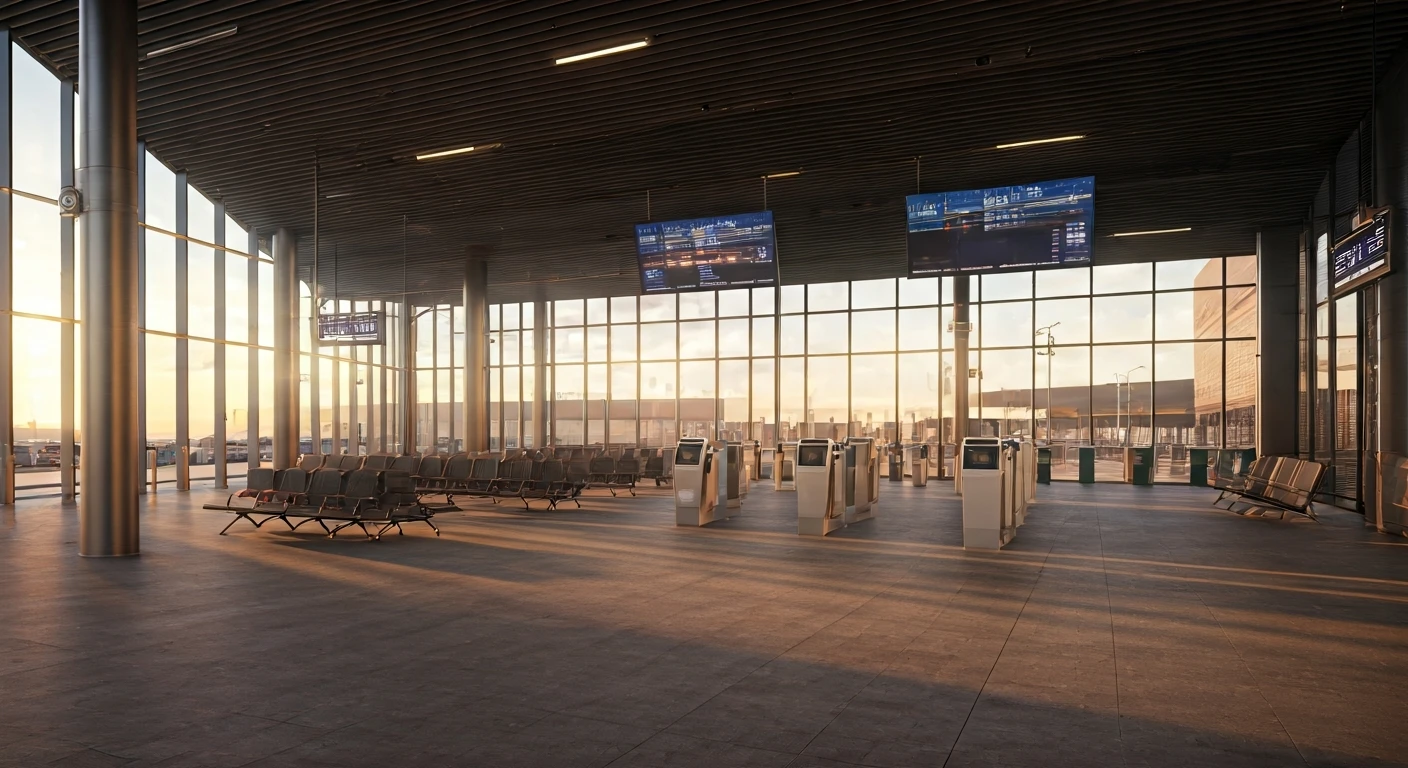
The modernization of bus terminals is projected to yield considerable improvements in the daily lives of commuters throughout the five districts. Upgraded facilities will likely include modern waiting areas, improved accessibility for people with disabilities, enhanced sanitation facilities, and expanded retail and food options. Moreover, the project is expected to incorporate technological advancements, such as digital displays providing real-time information about bus schedules, arrivals, and departures, which helps passengers plan their journeys more effectively. The initiative is also likely to result in improved safety measures, including enhanced lighting, surveillance systems, and dedicated security personnel. These infrastructural improvements are expected to significantly enhance the overall travel experience, contributing to safer, more convenient, and more comfortable journeys for thousands of daily bus passengers.
District-Specific Details
While specific details regarding which five districts will be involved in the first phase of the modernization project have not been released, it is reasonable to expect that the selection of these districts has been based on strategic considerations. Factors taken into account might include the volume of passenger traffic, the existing state of infrastructure, and the potential for economic impact. Details about the individual terminals, including design plans, construction timelines, and associated investment figures, will be released as the project progresses. As the government finalizes the district selection, more information is likely to surface regarding the precise locations, architectural designs, and amenities planned for each modernized terminal. The public can anticipate more announcements about the scope and timeline in the weeks and months ahead.
Future Implications
The undertaking of this modernization project holds significant implications for the future of public transportation in Punjab. The success of the PPP model in these five districts may provide a blueprint for similar projects throughout the state, promoting further infrastructural upgrades across various sectors. The creation of modern bus terminals could also stimulate economic growth by generating employment opportunities and attracting businesses to set up shop near these transport hubs. The government's vision extends beyond infrastructure development; it includes the aspiration to improve the overall quality of life for its citizens by providing efficient and reliable public transport services. Continued investment in public transportation, along with innovative initiatives, is anticipated to enhance connectivity, reduce traffic congestion, and promote sustainable urban development throughout the state.