



Why Packets Swell
Paneer, a fresh cheese characterized by its high moisture content and minimal preservatives, is particularly susceptible to changes that can cause its packaging
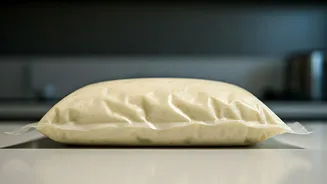
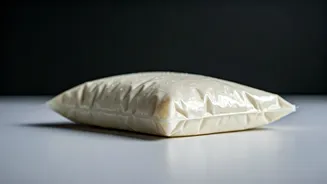
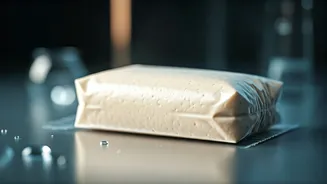
to expand. The primary culprit behind a puffed paneer packet is the proliferation of microorganisms. When paneer is exposed to temperatures above its recommended storage range, even for short durations, spoilage bacteria can thrive. As these microbes metabolize the components within the paneer, they release gases as a byproduct. These gases become trapped within the sealed packaging, leading to an increase in internal pressure and the noticeable swelling or bloating of the packet. This phenomenon is a widely recognized indicator of early-stage spoilage among food safety experts and consumers alike. Factors such as disruptions in the cold chain, which encompasses the continuous refrigeration from production to retail, are frequently implicated. Even brief periods of warmth during transportation or storage can create an environment conducive to bacterial growth. Additionally, the natural presence of lactose in paneer can undergo fermentation by certain bacteria, yielding gases that contribute to packet expansion, sometimes even when the product appears outwardly normal. Minor flaws in the packaging seals, though often imperceptible, can also allow contaminants to enter while retaining internally produced gases, exacerbating the puffing effect.
Assessing Paneer Quality
Ensuring the quality and safety of paneer before consumption involves a few straightforward home-based assessments. The most immediate visual cue is the packaging itself; any indication of swelling, unusual tightness, or bulging should prompt caution, as this is a strong signal of microbial spoilage. Beyond the packet's appearance, its aroma provides vital information. Fresh paneer typically possesses a neutral, clean scent. Conversely, any whiff of sourness, acidity, or a yeasty odor is a definitive sign that the paneer has begun to spoil and should be avoided. The texture of the paneer is another key indicator of its quality. Ideally, paneer should feel both firm and pliable. A texture that feels overly rubbery or excessively bouncy might suggest the presence of added starches, which is a common adulteration technique to improve texture and shelf life, or simply indicate poor processing. For a more precise check against starch adulteration, a simple iodine test can be performed: apply a single drop of iodine solution to a small piece of paneer. If the iodine turns blue or black, it confirms the presence of starch. Furthermore, a warm water test offers an additional method to gauge freshness. Submerging a cube of paneer in warm water for about ten to fifteen minutes will cause fresh paneer to soften naturally. Stale or adulterated paneer, however, may exhibit crumbling or release residue into the water, revealing its compromised state.