




The Roti Rethink
Across India, a quiet culinary revolution is underway as many individuals begin to question the long-standing dominance of roti and rice in their daily
meals. This shift isn't merely a fleeting trend but a considered response to modern nutritional awareness and personal health goals. For some, like an individual who hasn't consumed traditional rotis or rice for a decade, the change involves embracing alternatives such as lentil-based pancakes and vegetables, leading to sustained energy and proactive health management, especially within families with a history of diabetes. This personal choice reflects a broader internet-driven conversation about optimizing nutritional intake for contemporary lifestyles, where a high carbohydrate load from staples is often seen as a barrier to achieving better metabolic health and sustained energy levels.
Innovating the Staple
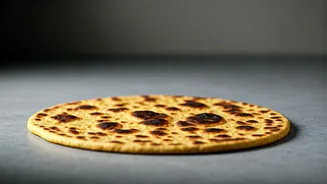
Rather than urging a complete overhaul of Indian eating habits, the food industry is focusing on enhancing the very foundation of the traditional thali: the roti. The emergence of protein-fortified wheat flour and specialized 'protein-for-roti' mixes marks a significant pivot. These products ingeniously blend conventional wheat with plant-based protein sources like soy, peas, peanuts, Bengal gram, or oats. The objective is to dramatically increase the protein content from the meager 3-4 grams found in a typical roti, making it a more substantial contributor to daily protein requirements, which are essential for active individuals. Available as ready-to-use flours or mixable protein powders, these innovations aim to seamlessly integrate into home kitchens, promising a higher protein intake without altering familiar tastes or textures, thereby making nutritious choices more accessible and palatable for millions across diverse socioeconomic backgrounds.
Addressing Protein Deficit
The widespread adoption of these protein-enhanced rotis is a direct response to India's well-documented protein deficiency. Numerous studies have highlighted that a significant portion of the population consumes far less protein than recommended, even when calorie intake is sufficient. This gap is largely structural, stemming from the carb-centric nature of the typical Indian diet, where rice, wheat, potatoes, and refined grains take precedence over protein-rich foods like pulses, dairy, eggs, and meat. Factors such as cost, availability, cultural preferences, and deeply ingrained eating habits contribute to this imbalance. While urban fitness enthusiasts may turn to supplements, these options remain inaccessible or unappealing to a larger segment of the population, making the fortification of staple foods a practical and culturally congruent strategy to improve public health outcomes without necessitating significant behavioral shifts.
Potential and Pitfalls
The concept of fortifying everyday foods to improve public health, much like the successful introduction of iodized salt and fortified oils, offers a promising model for protein-enriched atta. However, health experts and nutrition advocates advise a degree of caution. The actual protein content can vary based on the specific formulation, serving size, and the testing methodologies employed, underscoring the need for independent verification of high-protein claims. Furthermore, the long-term effects of consuming heavily processed blends, particularly for vulnerable groups like children or individuals with specific allergies to ingredients like soy or peanuts, warrant careful consideration. It's crucial to view protein rotis not as a standalone solution but as a complementary component of a balanced diet that still includes diverse sources of protein, vegetables, and fruits. For many households, these enhanced rotis could serve as a valuable tool to subtly increase protein intake, reducing resistance to dietary changes and contributing to better overall nutrition without demanding radical shifts in established eating patterns.