




A Serene Urban Retreat
Emraan Hashmi's residence in Bandra, Mumbai, is more than just a luxurious property valued at approximately Rs 16 crore; it's a testament to intentional
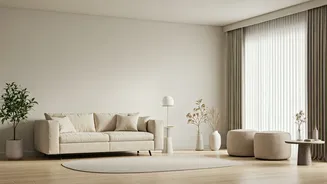
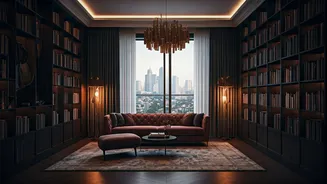
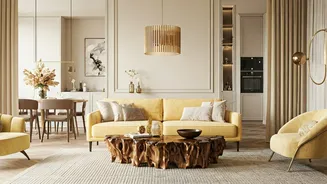
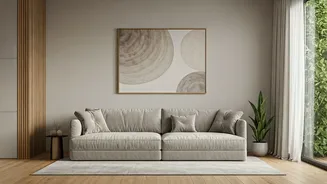
living and the profound impact of interior design on our psychological state. Situated in a prime Mumbai neighbourhood, this apartment, shared with his wife Parveen Shahani Hashmi and son Ayaan, embraces a minimalist philosophy. The design emphasizes a tranquil colour scheme, predominantly featuring whites, beiges, and browns, creating a soothing visual environment. This approach extends to the furnishings, which consist of comfortable, modern wooden pieces complemented by carefully selected decorative elements and striking chandeliers that enhance the space's character without clutter. Beyond its aesthetic appeal, the home incorporates practical features such as a dedicated fitness area and an extensive library, illustrating a balanced lifestyle that prioritizes both physical health and intellectual pursuits. A generously sized balcony offering expansive city views further amplifies the sense of openness and connection to the urban landscape, culminating in a home designed for comfort, daily routines, and personal passions.
Neutral Tones for Inner Peace
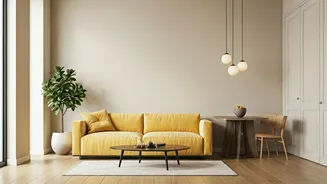
The strategic use of neutral colour palettes, such as whites, beiges, and browns, plays a pivotal role in cultivating a mentally grounding and regulating atmosphere within a living space. According to psychotherapist Sonal Khangarot, these colours possess low visual complexity, which significantly reduces the cognitive load on the brain. This reduction allows the nervous system to transition from a state of heightened alertness to one of greater calm and stability. Whites and off-whites, in particular, are associated with feelings of openness and mental clarity, creating a sense of spaciousness. However, it's important to balance these with warmer tones to avoid a stark or clinical feel. Beige and warm browns, reminiscent of natural elements, evoke feelings of safety, stability, and familiarity, which are crucial for diminishing stress hormones like cortisol. From an environmental psychology standpoint, these neutral backdrops allow inhabitants to infuse the space with their personality without experiencing sensory overload, thereby supporting emotional regulation, improving concentration, and fostering a predictable, steady environment conducive to overall well-being.
Nature's Balcony Influence
The presence of expansive open spaces, such as a large balcony, and unobstructed natural views significantly contribute to mental health regulation, especially within bustling urban settings prone to sensory overload. Khangarot explains that exposure to nature, a concept explored through Attention Restoration Theory, enables the brain to shift from directed, effortful focus to a more effortless, restorative mode. This transition helps combat cognitive fatigue and sharpens focus over time. Furthermore, visually open areas foster a perception of expansiveness, counteracting the confinement and psychological pressure often felt in city living. Natural light and greenery are also known mood enhancers, largely due to their influence on circadian rhythms and serotonin production. From a physiological perspective, even passive engagement with nature can lead to a reduction in heart rate and cortisol levels, promoting a sense of calm. Consistently, access to such natural elements offers brief respites and grounding moments, bolstering emotional resilience and reducing stress in a fast-paced lifestyle.