







The 9 PM Closing Mandate
In response to rising energy costs and economic pressures, Egypt’s Prime Minister issued an order mandating most commercial establishments, including shops,
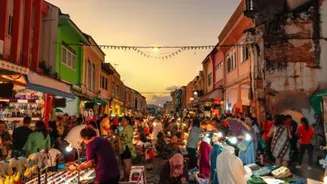
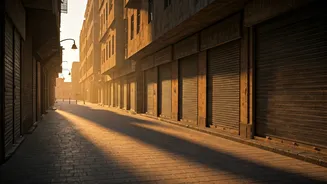
restaurants, cafes, and bazaars, to cease operations by 9 PM. This directive, initially planned for a month until April 28th, significantly alters the nightly rhythm of a city typically vibrant late into the evening. While Thursdays and Fridays offer a slight extension until 10 PM, and public holidays like the Coptic Easter period (April 10-13) allow for openings until 11 PM, the overall impact is a noticeable shift towards earlier closures. This measure stems from Egypt's position as a net energy importer, grappling with increased fuel expenses, a depreciating currency, and escalating inflation, all exacerbated by global energy market disruptions. Tourists have encountered this change firsthand, with many businesses unexpectedly shutting their doors, leading to confusion for those relying on updated online information or prior knowledge of Cairo's nocturnal scene.
Navigating the Exceptions
Despite the broad 9 PM closing rule, several key exceptions exist that travelers should be aware of. Establishments situated within hotels and those located along the Nile in both Cairo and Giza governorates are exempt from the early closure mandate. This distinction can be a source of confusion, as demonstrated by instances where tourists were directed to restaurants in areas presumed to be exempt, only to find they were indeed subject to the new hours due to their specific location not aligning with the official exemptions. Additionally, essential services such as grocery stores, supermarkets, bakeries, pharmacies, and licensed tourist facilities at transportation hubs like airports, seaports, and train stations are permitted to remain open. The government has also made specific allowances for tourist-centric locations in South Sinai, Aswan, Hurghada, and Marsa Alam, ensuring that these popular destinations continue to cater to visitors' needs without the same stringent closing times. Understanding these nuances is crucial for planning evening activities and dining.
Impact on Tourism and Business
The new closing regulations, coupled with pre-existing travel anxieties stemming from regional conflicts, have created a challenging environment for Egypt's tourism sector. Tour operators have reported cancellations from North American clients for March and April trips. For those who are visiting, the early closing times present a logistical hurdle, forcing difficult choices between experiencing dinner or enjoying evening entertainment. For instance, cultural events like the Cairo Opera House or whirling dervish shows, which typically occur in the evening, now need to conclude by 8 or 8:30 PM to allow patrons to dine before establishments close. This situation is particularly concerning for the lucrative Gulf tourist market, known for its preference for late-night activities. Businesses are already feeling the financial strain; one restaurant group estimates a 30-40% decrease in revenue since the rule took effect. The historic Khan El Khalili bazaar, a hub for nocturnal tourism, is also significantly impacted, with many businesses that relied on late-night trade experiencing a sharp decline and expressing hope for a swift resolution to the restrictions.