





Wardrobe Choices Matter
Flight attendants frequently observe passengers opting for shorts, a choice they strongly advise against. The reasoning is rooted in hygiene, as many airline
seats are not thoroughly cleaned between flights. This means your bare skin could be making contact with surfaces that have been occupied by countless others, some of whom may not have practiced optimal hygiene during their travels. To create a protective barrier, wearing comfortable yet stylish joggers is recommended. These garments ensure that your skin does not directly touch the seat, offering peace of mind. The material of these pants is often soft and breathable, contributing to overall comfort during long journeys, and many options are available in various colors to suit personal style preferences.
Pillow Protection Essentials
The complimentary pillows offered on flights, while seemingly convenient, are often a source of concern for airline crew due to infrequent deep cleaning. These pillows can come into contact with various surfaces within the cabin, including those not always perceived as clean. To mitigate this, flight attendants suggest bringing your own pillowcase as a simple yet effective barrier. This layer not only provides a cleaner surface for your head but can also contribute to a more pleasant arrival by potentially reducing hair and skin irritation. For those seeking an even greater level of comfort and sanitation, investing in a dedicated travel pillow is a worthwhile consideration. These pillows are typically designed to be lightweight and compressible for easy packing, offering superior cushioning compared to airline-provided options. Crucially, many travel pillows come with removable and washable covers, allowing for consistent cleanliness flight after flight.
Bathroom Footwear Wisdom
A common observation among flight attendants is the number of passengers who use airplane lavatories while barefoot or only in socks. This practice is concerning because aircraft bathrooms, much like any public restroom, can harbor a significant amount of germs and moisture on the floor. To avoid direct contact with potentially unsanitary surfaces, it is highly advisable to wear some form of footwear when visiting the lavatory. For travelers who prefer to remove their shoes for comfort during a flight, slip-on shoes are an excellent compromise. They offer ease of use, allowing you to quickly put them on before heading to the bathroom and remove them upon returning to your seat. These types of shoes are often lightweight, breathable, and easy to clean, making them a practical addition to your travel ensemble.
Wipe Down Everything
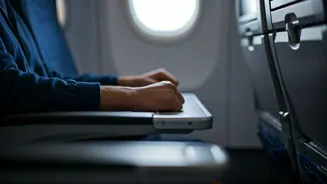
The speed at which aircraft are serviced between flights often means that thorough cleaning of all surfaces is not always feasible. Flight attendants emphasize the necessity of carrying your own disinfectant wipes, as airlines no longer consistently provide them. These wipes are indispensable for sanitizing a multitude of high-touch areas throughout the cabin. This includes seemingly innocuous spots like tray tables, seatbelt buckles, armrests, and the controls for air vents and lights, all of which are frequently handled by numerous passengers. Beyond these common areas, the seatback pockets can accumulate debris ranging from used tissues to snack wrappers, making them particularly unhygienic. Regularly wiping down your personal electronic devices, such as phones, is also recommended, as they often rest on these surfaces.
Hand Sanitizer is Key
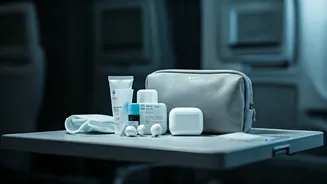
Hand sanitizer is an absolute non-negotiable item for any flight, according to experienced flight attendants. While it's prudent to disinfect the surfaces directly around your seat, there are numerous other high-contact points on an airplane that you cannot control. These include the refreshment carts, the doors of the lavatories, and even the fabric portion of your seatbelt, which can be more challenging to sanitize effectively than the metal buckle. Since you'll be touching these areas throughout your journey, maintaining clean hands is paramount. Carrying a pocket-sized, hydrating hand sanitizer allows you to refresh your hands frequently, ensuring a more sanitary experience from boarding to disembarking.
Barrier for Door Handles
After washing your hands in the airplane's lavatory, the last thing you want to do is re-contaminate them by touching the door handle on your way out. While some travelers resort to using a paper towel as a barrier, these can sometimes be scarce on busy flights. A practical solution recommended by flight crew is to carry a small, reusable item that can act as a barrier. This could be a dedicated handle cover or even a sturdy piece of cloth. Using such an item allows you to open the lavatory door without direct contact, maintaining the cleanliness of your hands until you have another opportunity to sanitize them.
Secure Your Belongings
Seatback pockets are notorious for accumulating a variety of unsanitary items, from leftover food wrappers and tissues to even used barf bags. Their large surface area makes them difficult to disinfect thoroughly. To avoid exposure to these germs, flight attendants strongly advise against placing personal items like phones, headphones, or books directly into these pockets. Instead, it's recommended to keep your essentials organized within a smaller pouch or your carry-on tote bag. This practice not only prevents germ transfer but also makes it easier to access individual items without having to rummage through the entire bag, saving time and maintaining a sense of order.
Personal Blanket Choice
While airlines may offer complimentary blankets as a service, flight attendants often express reservations about using them unless they are individually sealed. The concern is that these blankets may be reused by multiple passengers between flights without adequate laundering, posing a significant hygiene risk. To ensure warmth and comfort without compromising on cleanliness, it is advisable to bring your own personal blanket or a versatile item that can serve this purpose. A pashmina or a similar soft, drapable fabric can provide warmth during the flight and can also double as a stylish accessory upon arrival at your destination.
Footwear and Carpet Caution
The carpeted flooring of an airplane cabin is subjected to a considerable amount of wear and tear throughout the day. It frequently encounters spilled drinks, dropped food, and the soles of countless shoes, making it one of the less hygienic surfaces. Flight attendants advise caution regarding footwear choices, particularly recommending against wearing pants that drag along the aisle. This is because there is constant foot traffic as passengers board, deplane, and move to and from the lavatory. To avoid unintentionally collecting dirt and germs from the airplane carpet, it is best to wear footwear that keeps your feet and lower legs clean, especially if you plan to wear the same outfit after landing.
Footwear for the Flight
Choosing appropriate footwear for your flight is not just about comfort; it's also about hygiene, especially when considering trips to the lavatory. As mentioned, going barefoot or just in socks in airplane bathrooms is strongly discouraged by flight crew due to the unsanitary conditions that can be present on the floor. Therefore, a sensible recommendation is to opt for comfortable slip-on shoes. These allow for easy donning and doffing, making them practical for quick trips to the restroom. Additionally, many slip-on shoe options are lightweight, breathable, and easy to clean, ensuring that your feet remain comfortable and protected throughout your journey.