





Prevalence in India
Studies suggest that a substantial segment of India's urban adult population struggles with lipid disorders, often without awareness. Approximately 25-30%
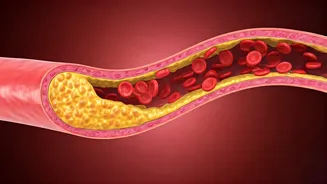
of adults in these areas exhibit signs of high cholesterol levels. This is a concerning statistic, indicating a widespread issue that requires attention. High cholesterol is a silent threat. It frequently displays no outward symptoms, making regular check-ups essential. The lack of apparent symptoms can lead to the condition going undetected for extended periods, increasing the risk of cardiovascular complications. Recognizing this silent nature is the first step toward preventive health care.
Identifying the Risk
High cholesterol, or hyperlipidemia, often has no obvious symptoms. This makes early detection a challenge. However, certain factors increase a person's risk. These include a family history of heart disease, unhealthy dietary habits high in saturated and trans fats, lack of physical activity, smoking, and excessive alcohol consumption. Regular health check-ups and screenings become crucial. Blood tests, particularly lipid profiles, are used to measure cholesterol levels and identify potential issues. These tests provide the necessary insights to understand an individual's cholesterol status and take appropriate measures if needed. Early identification enables preventive strategies to curb health issues.
Lifestyle Modifications
Lifestyle changes are the cornerstone of managing high cholesterol. Dietary adjustments can significantly impact cholesterol levels. Emphasize a diet rich in fruits, vegetables, whole grains, and lean proteins, and limit the intake of saturated and trans fats found in processed foods and red meat. Regular exercise is another crucial element. Aim for at least 150 minutes of moderate-intensity or 75 minutes of vigorous-intensity aerobic activity per week. This can involve brisk walking, jogging, cycling, or swimming. Maintaining a healthy weight through a combination of diet and exercise is also beneficial. Weight management directly impacts cholesterol levels and overall health. Reducing smoking and alcohol consumption is also recommended as these can raise cholesterol levels and increase the risk of heart disease. These combined changes will make a significant impact on health.
Medical Interventions
When lifestyle changes aren't sufficient, medical interventions become necessary to manage high cholesterol. Statins are a common class of drugs that help lower LDL (bad) cholesterol levels. They are often the first line of treatment. Other medications, like fibrates and bile acid sequestrants, may be prescribed. The choice of medication depends on an individual's specific cholesterol profile and other health factors. Regular monitoring by a healthcare professional is crucial when taking medication. Periodic blood tests and check-ups help ensure that the treatment is effective and safe. Adherence to prescribed medication and doctor's advice is vital for effective cholesterol management. Proper use of medication along with a healthy lifestyle improves health.
Long-Term Management
Managing high cholesterol is a long-term commitment. Regular monitoring of cholesterol levels is essential. These check-ups help in tracking the effectiveness of lifestyle changes or medical treatments. Maintaining a heart-healthy diet and staying physically active are ongoing requirements. These habits form the foundation of long-term cholesterol management and overall well-being. Regular follow-ups with a healthcare provider are important to review and adjust treatment plans as needed. This proactive approach ensures that cholesterol levels are consistently managed and that any potential health risks are minimized. The goal is to keep cholesterol in check and make a healthier lifestyle a norm.