
The Hidden Heart Link
While often seen as a simple step to prevent cavities, the habit of brushing your teeth before bed plays a more significant role in your overall well-being
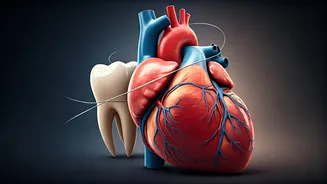
than many realize. Dr. Kunal Sood, a physician specializing in anesthesiology and interventional pain medicine, highlights a concerning connection: failing to maintain good oral hygiene, particularly by not brushing at night, can significantly elevate your risk for cardiovascular ailments. He corroborates claims that a nightly brushing omission may indeed put you on a higher trajectory towards heart disease. This isn't just about a potential toothache; a 2023 study reinforces this notion, showing a tangible correlation between neglecting oral care and a greater likelihood of developing heart disease and heart failure. Therefore, the timing and consistency of your oral hygiene practices are paramount for more than just a bright smile.
Bacteria's Bloodstream Journey
The mechanism behind this surprising link between your mouth and your heart is rooted in the microscopic world residing within your oral cavity. Dr. Sood explains that when you skip brushing at night, the bacteria that accumulate in your mouth can find their way into your bloodstream. Once there, these microorganisms can incite an inflammatory response throughout your body. This chronic inflammation, over an extended period, can begin to affect the delicate lining of your blood vessels. This disruption contributes to the formation of plaque, a fatty deposit that narrows arteries, ultimately increasing the risk of various cardiovascular issues, including heart disease and heart failure. While poor oral hygiene isn't the sole determinant of heart disease, it serves as a notable contributing factor among many.
Brushing for a Healthier Heart
Interestingly, the frequency with which you brush your teeth appears to have a direct bearing on the health of your heart. Dr. Sood suggests that individuals who are more diligent with their brushing habits tend to exhibit better cardiovascular health. He elaborates that brushing your teeth at least three times daily, coupled with obtaining regular professional dental cleanings, is associated with a reduced risk of heart disease. This proactive approach not only aids in preventing dental problems like gum disease and tooth loss but also contributes positively to your heart's well-being. In essence, maintaining superior oral hygiene stands out as one of the most accessible and straightforward methods for bolstering your cardiovascular health and overall vitality.
Integrating Oral Care Habits
Assessing your overall health risk involves looking at a spectrum of factors, including blood pressure, cholesterol levels, blood sugar, genetic predispositions, and lifestyle choices like diet, exercise, and smoking. Within this comprehensive view, consistent oral care plays a crucial role. Dr. Jagadish Hiremath, a public health expert, emphasizes that by preventing gum disease and curbing inflammation, you actively reduce a significant contributing factor to cardiovascular problems. Regular brushing, diligent flossing, and consistent dental checkups serve as vital complements to a heart-healthy regimen. Seeking routine dental cleanings and promptly addressing any early indicators of gum issues are essential steps that benefit both the health of your mouth and the robustness of your heart.
Practical Hygiene for Busy Lives
For those navigating demanding schedules, maintaining consistent oral hygiene might seem challenging, but it's achievable with practical strategies. Dr. Hiremath stresses that regularity is paramount; aim to brush for a full two minutes at least twice a day, and consider a brief brush after your midday meal. Incorporating flossing or using interdental brushes before retiring for the night is also highly recommended to dislodge plaque that toothbrushes might miss. To ensure you never miss a brushing opportunity, keep a travel-sized toothbrush and toothpaste accessible at your workplace or in your bag. Furthermore, scheduling dental checkups every six months is a proactive measure that helps detect potential issues early, thereby safeguarding your long-term oral health without imposing an overwhelming burden on your busy routine.